+370 656 17565ernestas@agronom.lt
Smart Agrometer
ログイン 注文する

科学

植物にとって大切なのは量だけでなく、 タイミング

小麦の栄養管理では、作物に必要な養分が土壌にあるかを知るだけでは不十分です。植物がいつそれを受け取るかも重要です。養分にはそれぞれ役割があり、生育段階によって欠乏が影響する収量構成要素も異なります。葉面積、根系、有効分げつ数、穂の形成、結実などです。
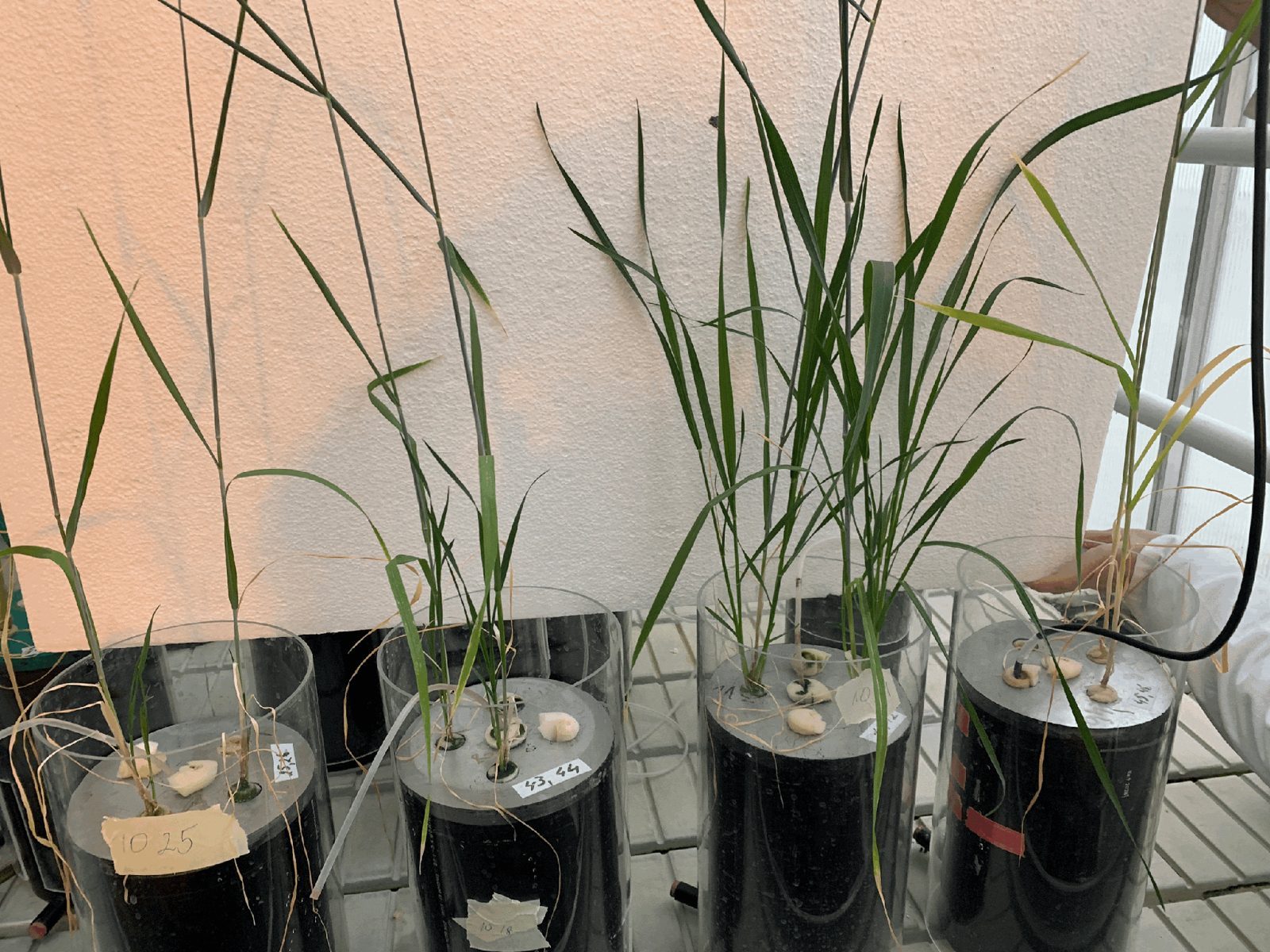
栽培容器で育つ水耕試験の小麦

研究の方法

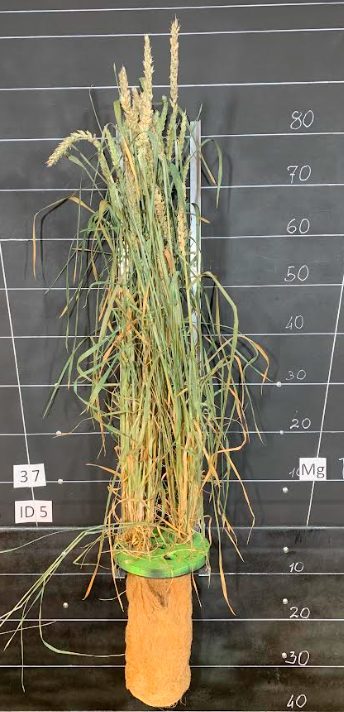
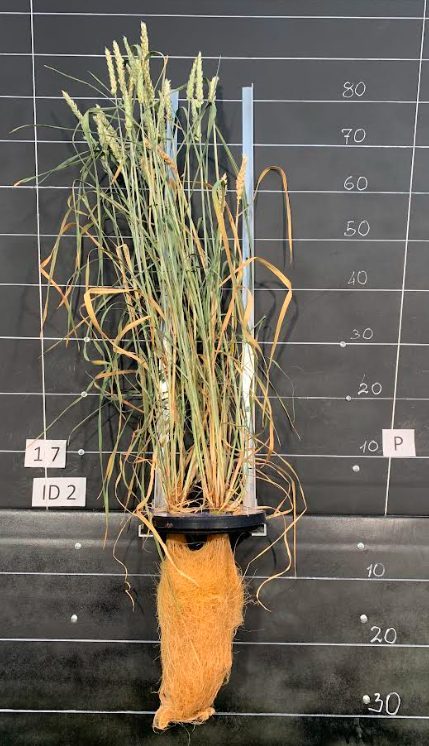
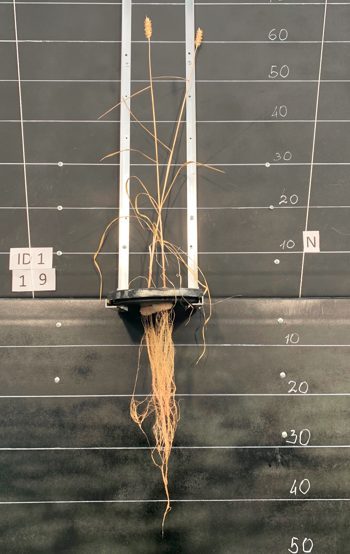
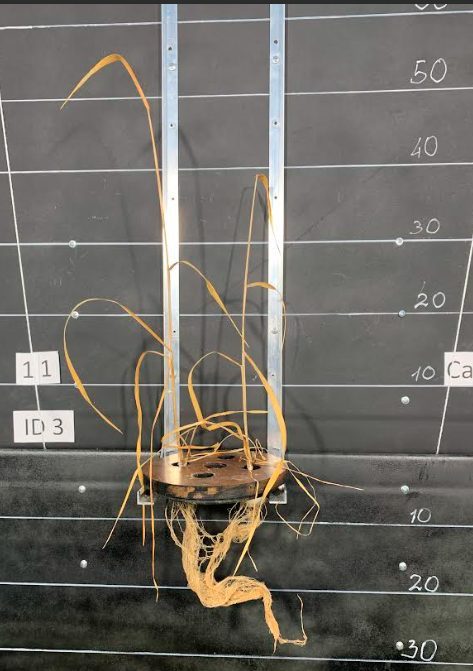
小麦の各株は、1つの養分を除いた溶液の入った専用の容器で育てました。これにより、特定の養分が欠けたときに植物に何が起こるのか、そしてどれだけ待てるのかを正確に確認できます。
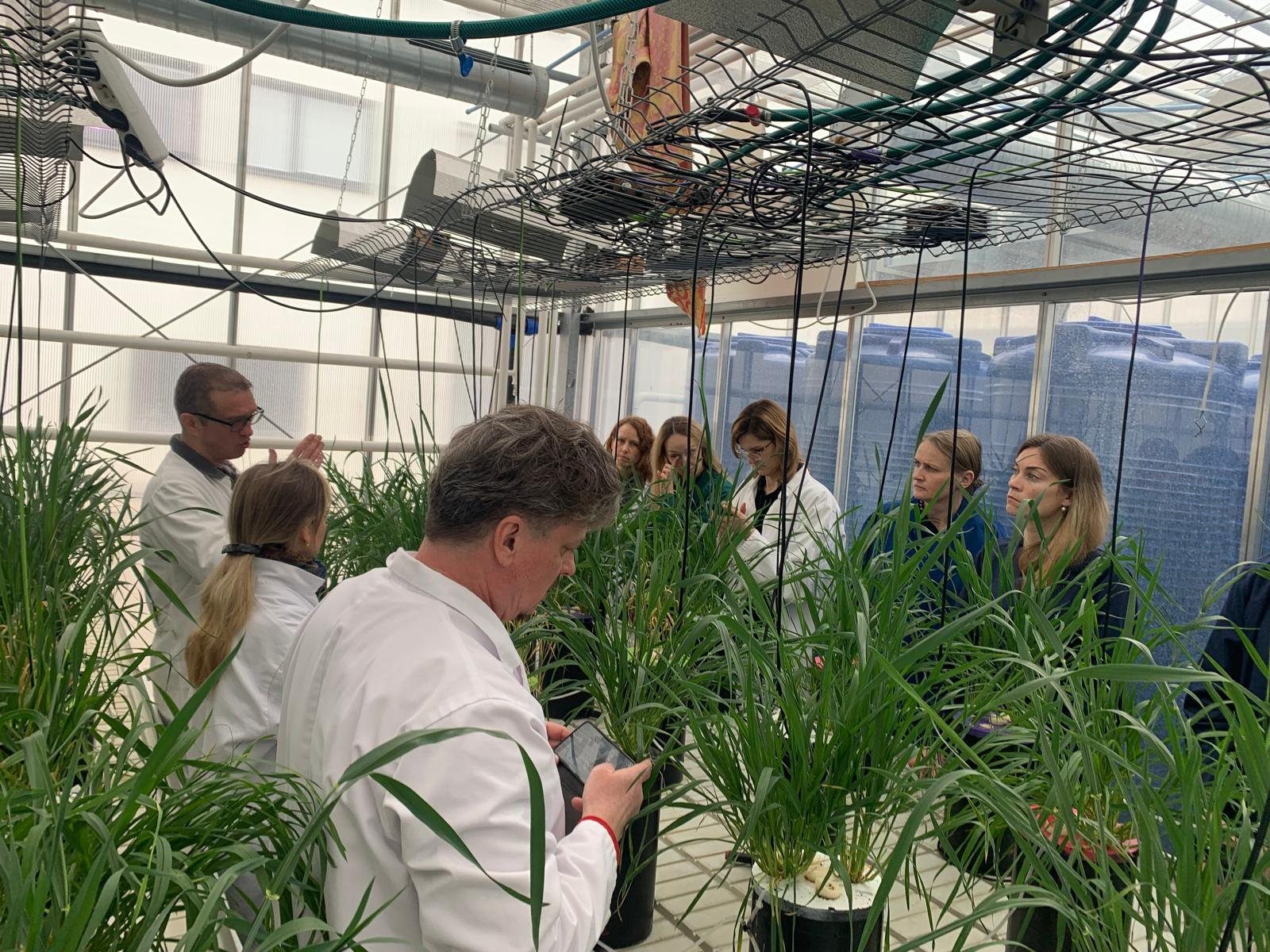
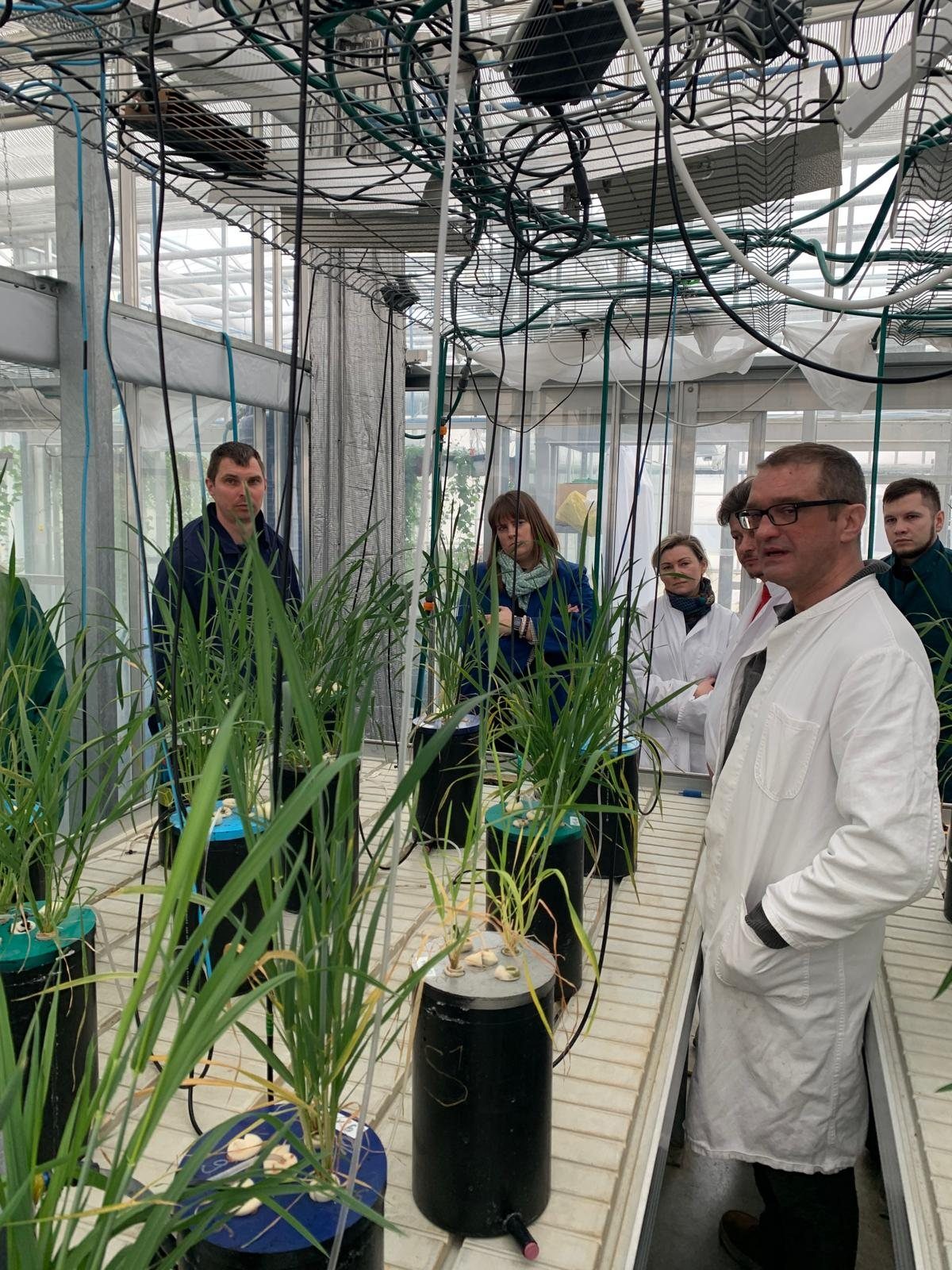
水耕試験の小麦に囲まれた温室の研究者
VMU農業アカデミーの温室で行った小麦の水耕試験
試験用小麦の容器のそばに立つ白衣の研究者
欠乏期間を通じて植物を観察・測定
容器ごとに異なる欠乏処理
VMUの温室で、トウモロコシの根が付いた容器のふたを持ち上げるエルネスタス・ザレツカス准教授
エルネスタス・ザレツカス准教授――VMU温室でのトウモロコシ試験(2026年)
小麦だけではありません

トウモロコシ試験 2026

2026年、VMUの温室では同じ方法でトウモロコシを栽培しています。各株は1つの養分が欠けた専用の容器で育ちます。カルシウム(Ca)欠乏も研究しています。

欠乏はすぐに見えるとは限らない

はっきりした症状が出る前に植物の生理は変化することがあり、似た症状が異なる養分や他のストレスによって起こることもあります。そのため目視は問題を疑う手がかりにはなりますが、確実な診断には植物や土壌の分析が必要になることが多いのです(de Bang et al., 2021; Lilay et al., 2024)。

発表済みの管理された水耕研究では、個々の多量要素を異なる期間欠乏させて小麦を栽培しました。窒素、リン、カルシウムの欠乏がバイオマスの蓄積を最も抑えました。短期の欠乏の影響は養分によって異なりましたが、長期の欠乏は一部の形質に顕著な影響を残し、その後も回復しませんでした。施肥の判断が施用量だけでなく、欠乏の期間や生育段階にも左右される理由がここにあります(Petrauskas et al., 2026)。

欠乏が1日続くごとに、どんな条件でも同じだけ収量が減るという意味ではありません。影響は養分、欠乏の程度、生育段階、品種、土壌、天候によって異なります。しかし欠乏が長引くほど、失われた生育や収量ポテンシャルの一部が取り戻せなくなるリスクが高まります。

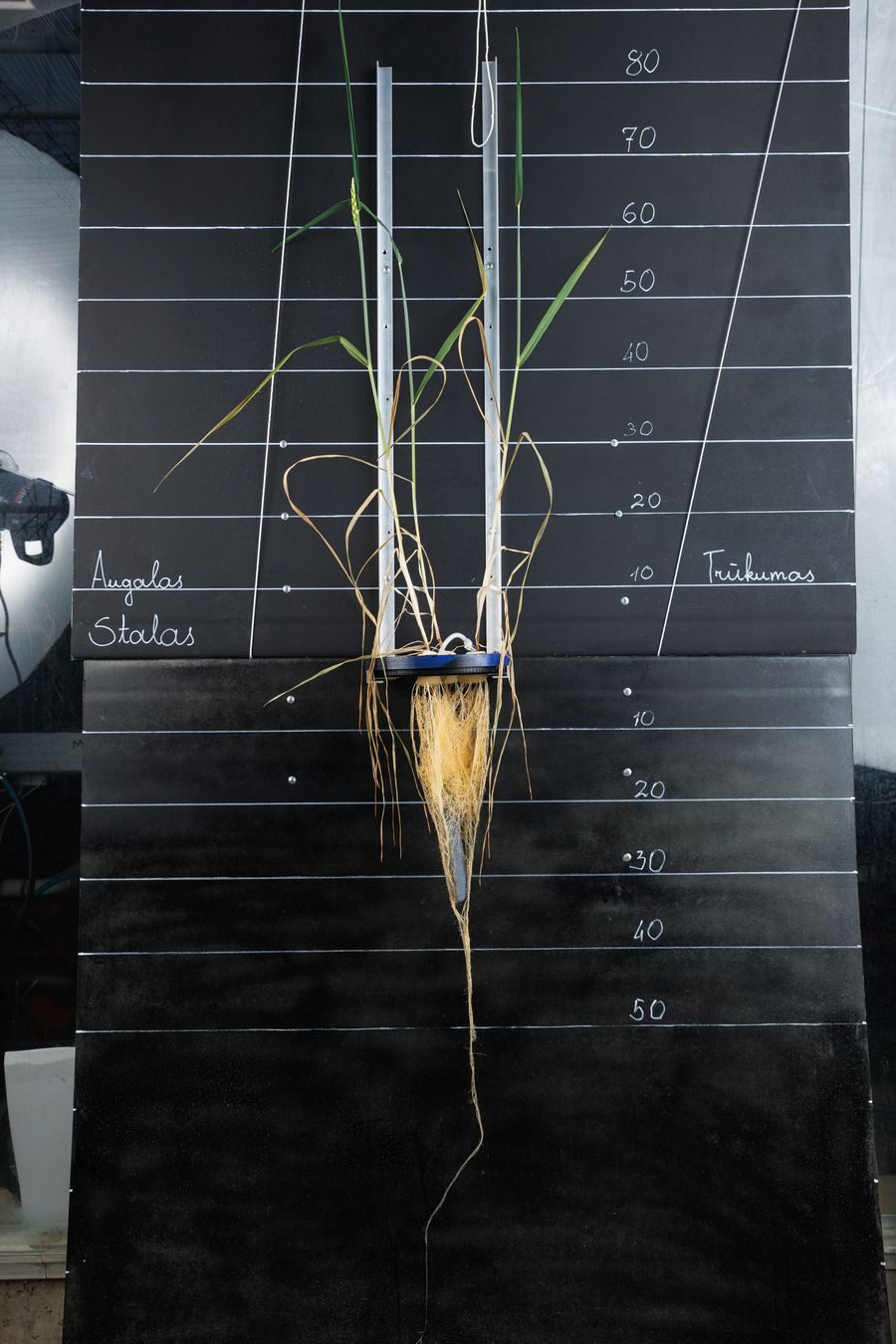
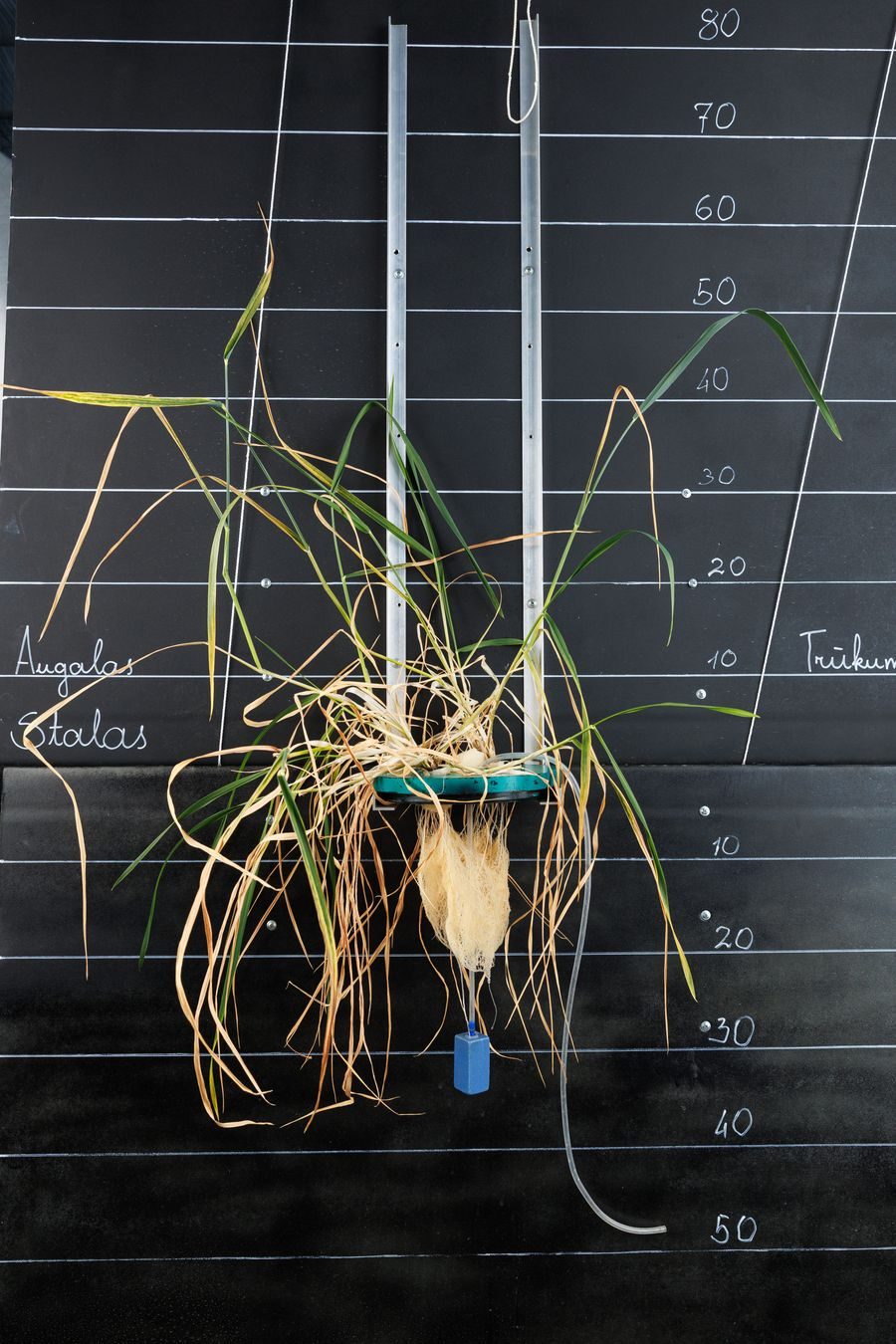
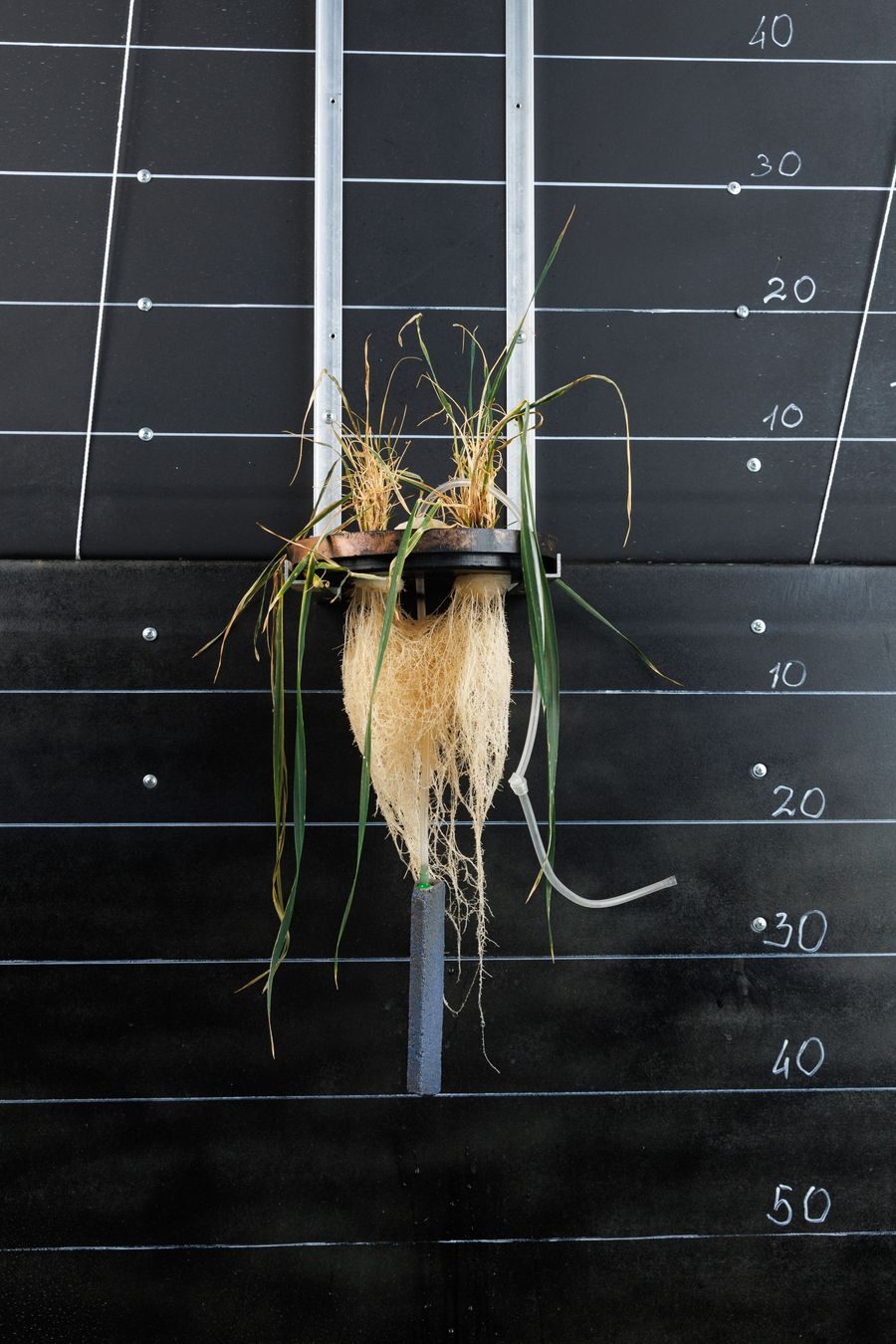
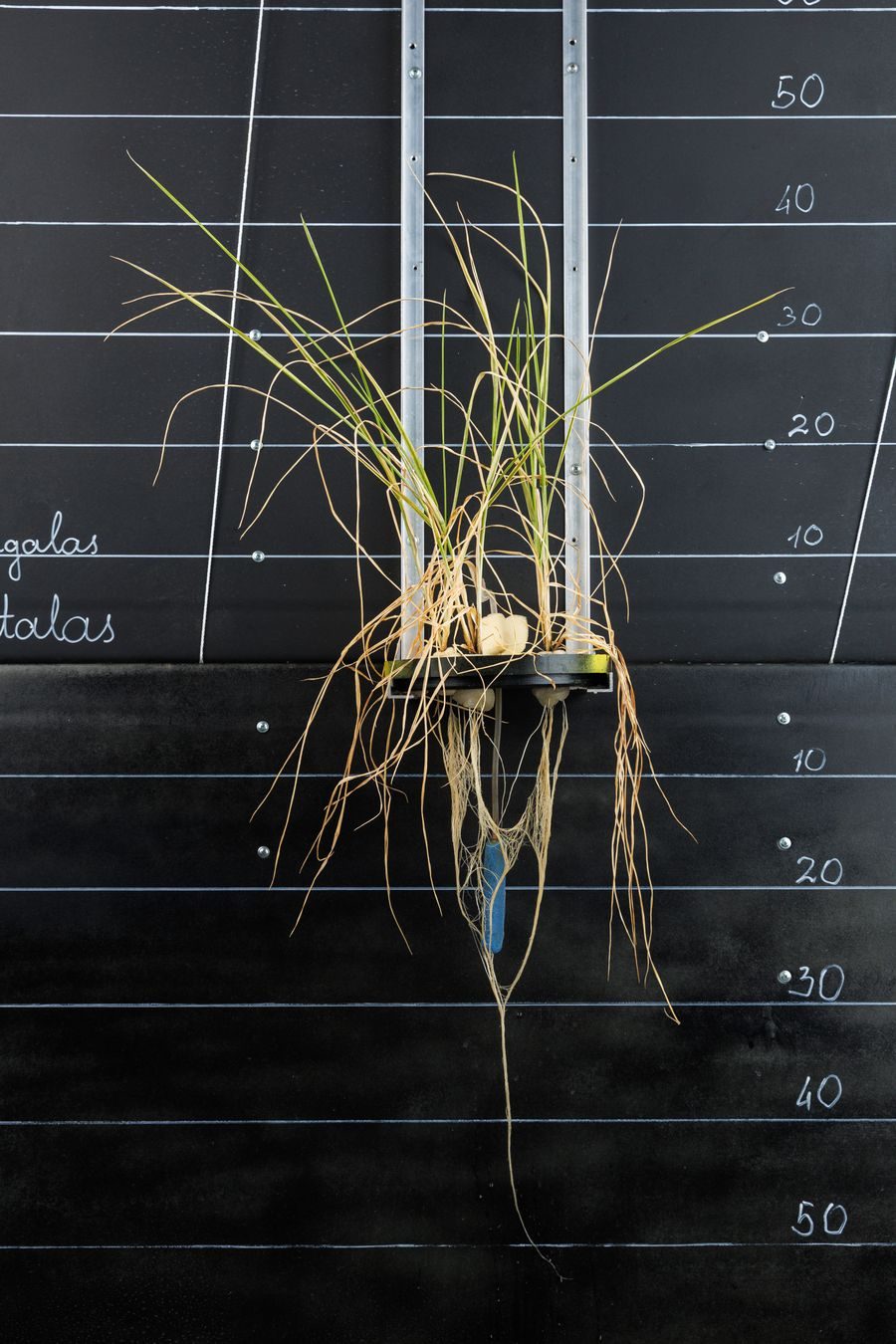
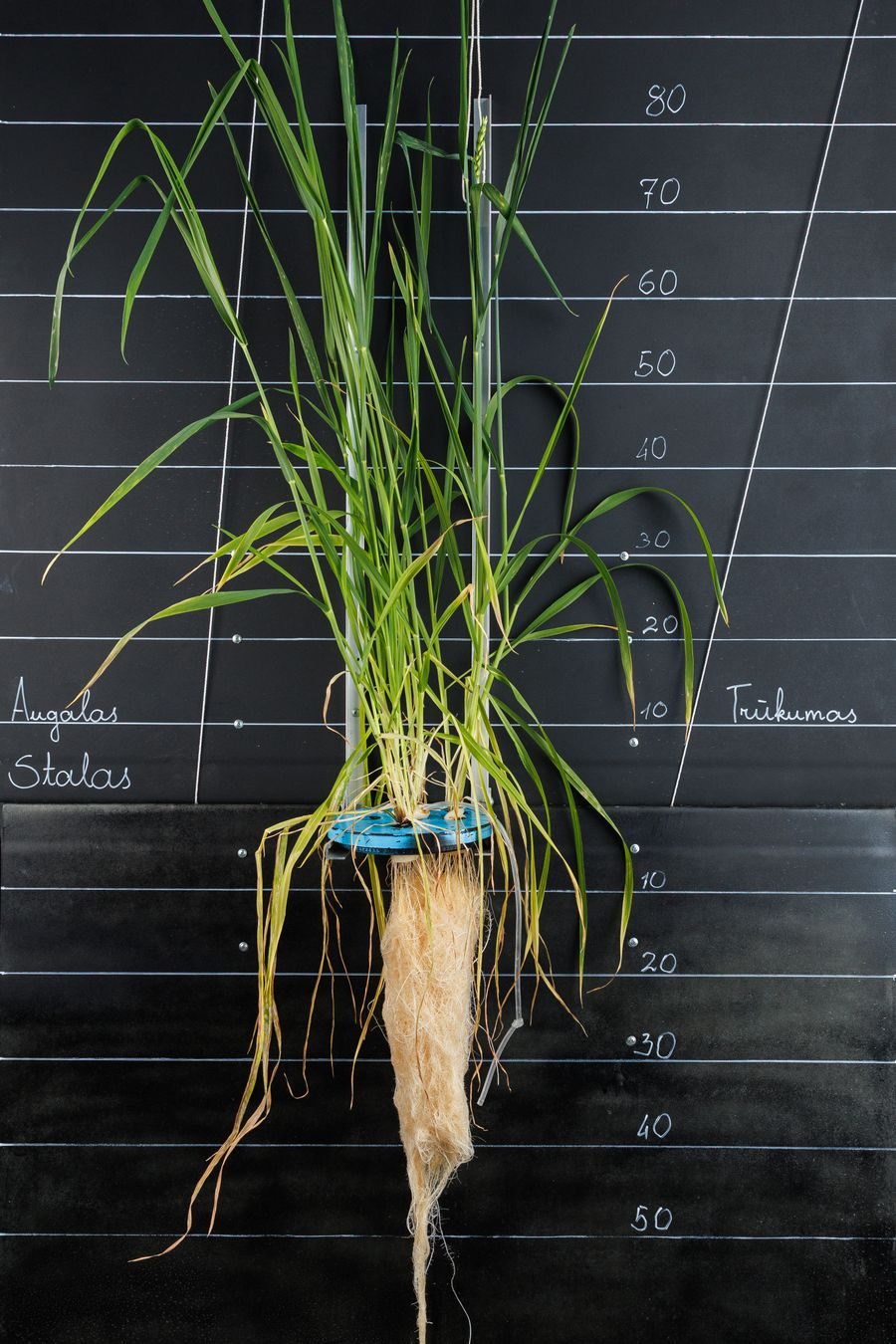
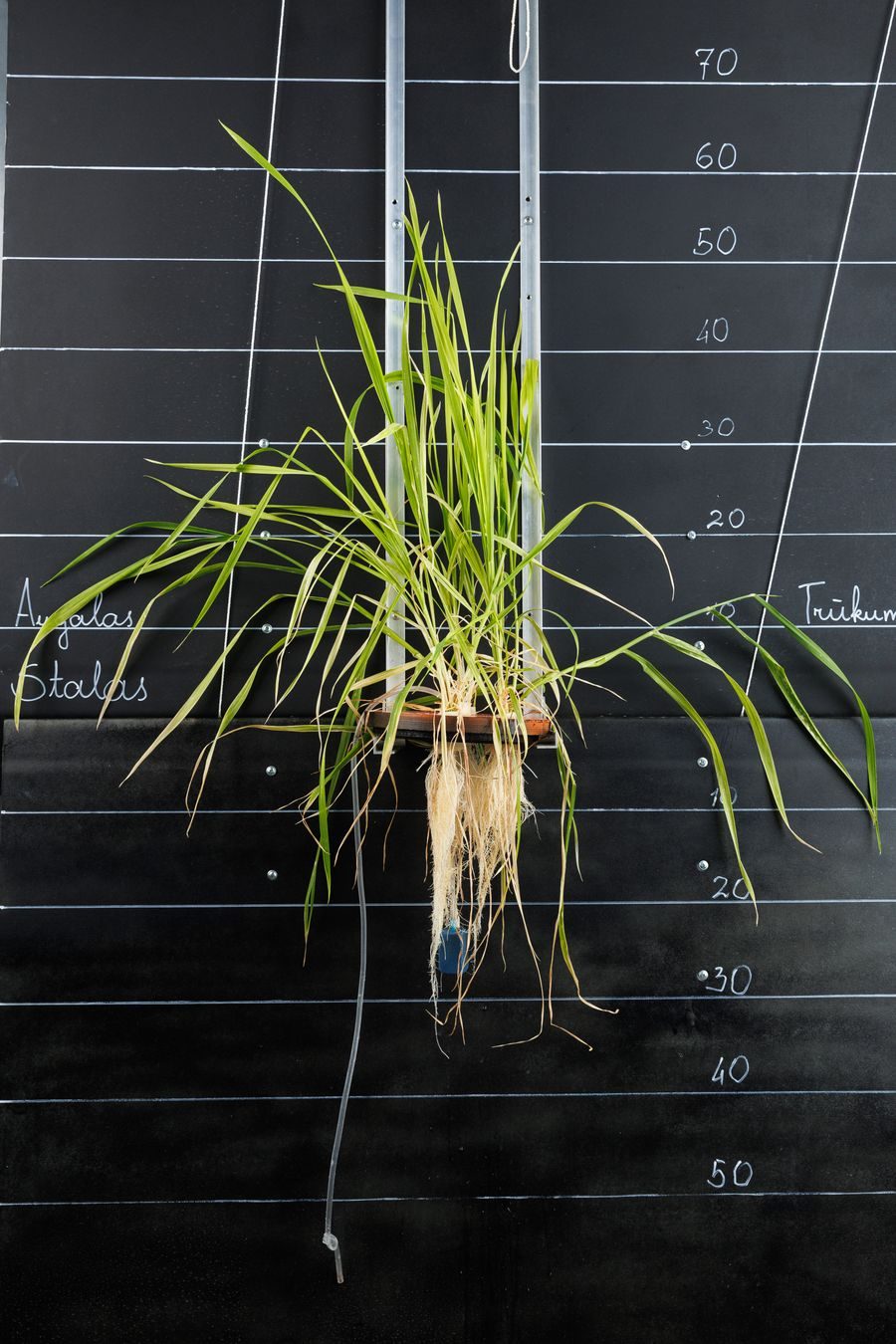
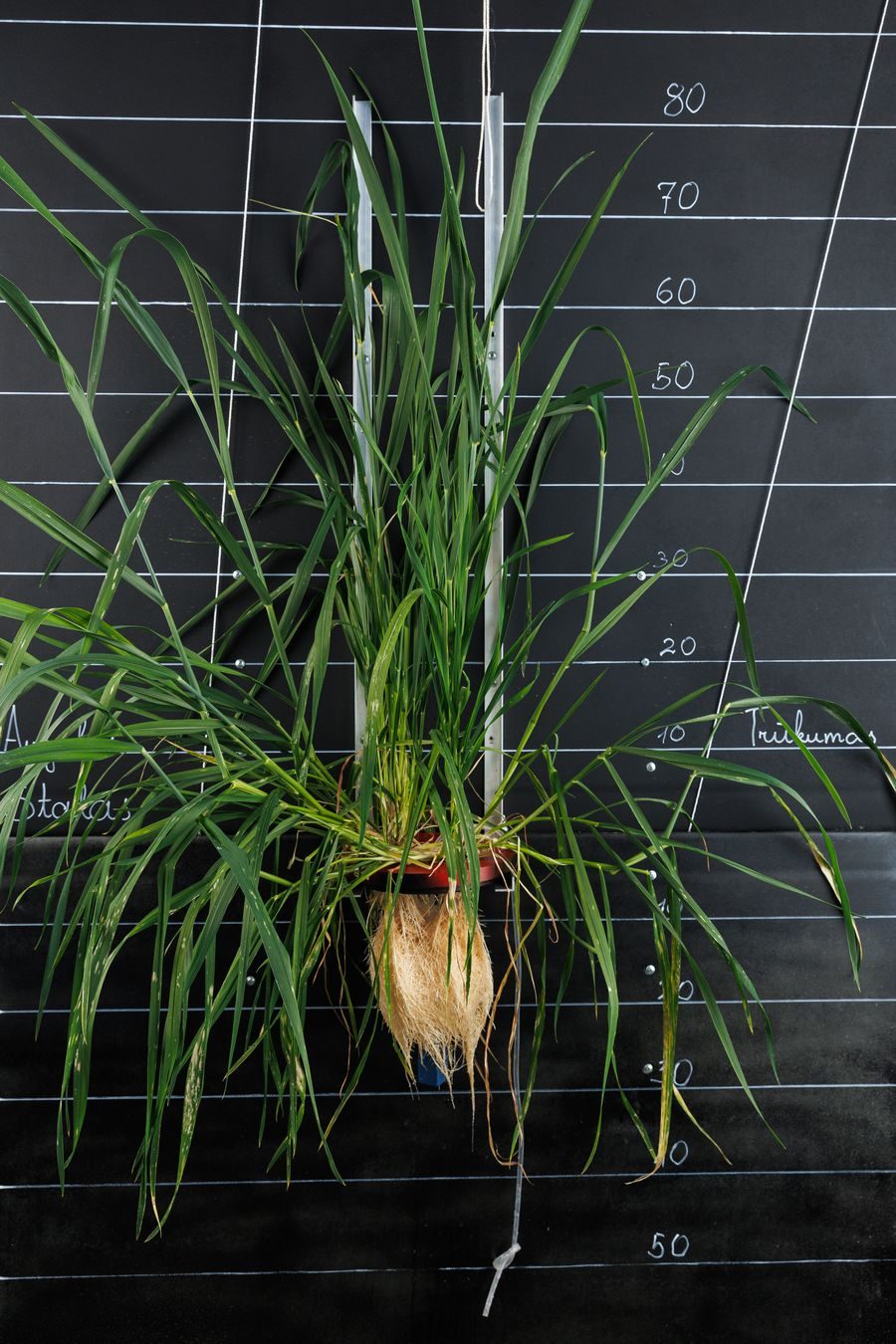
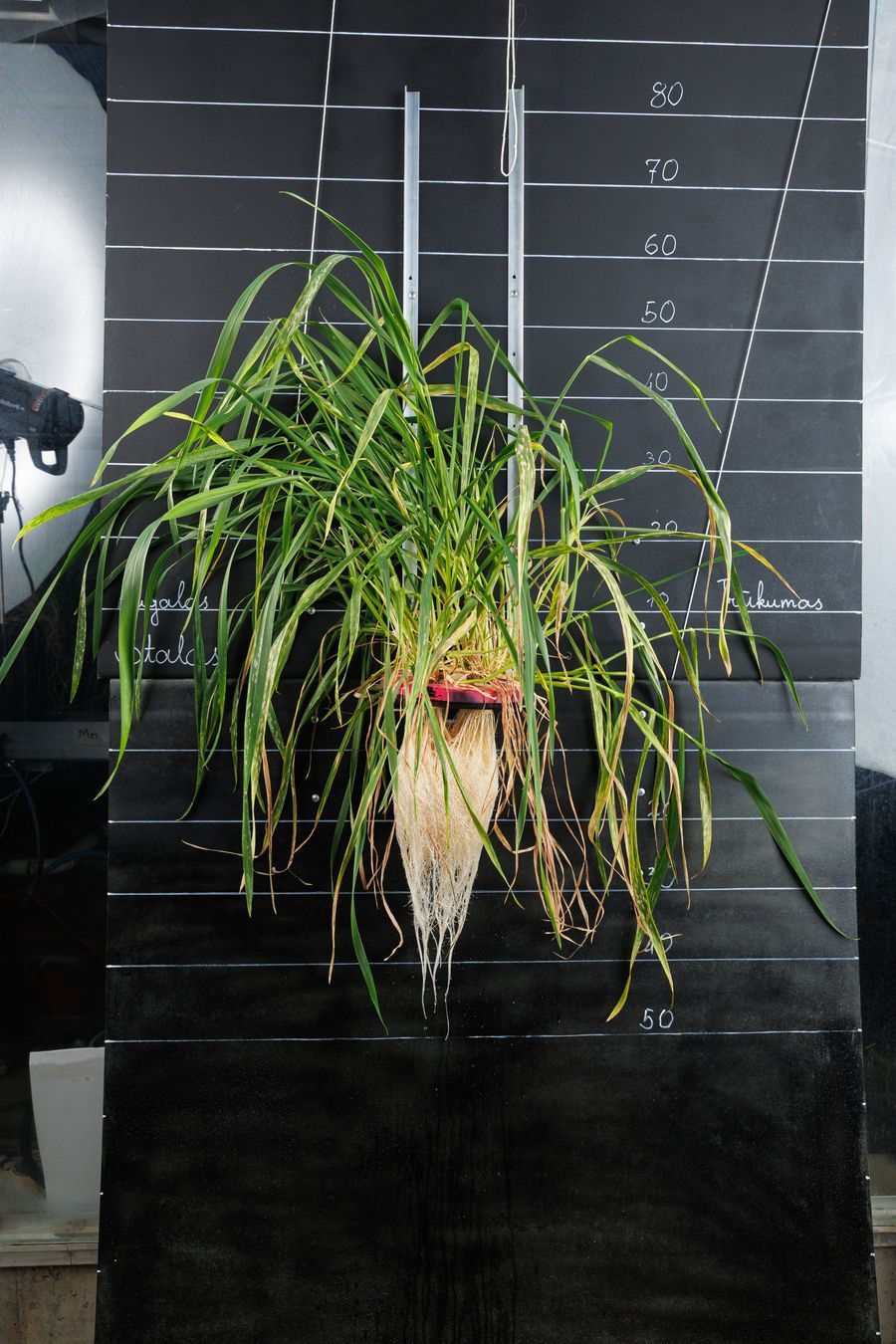
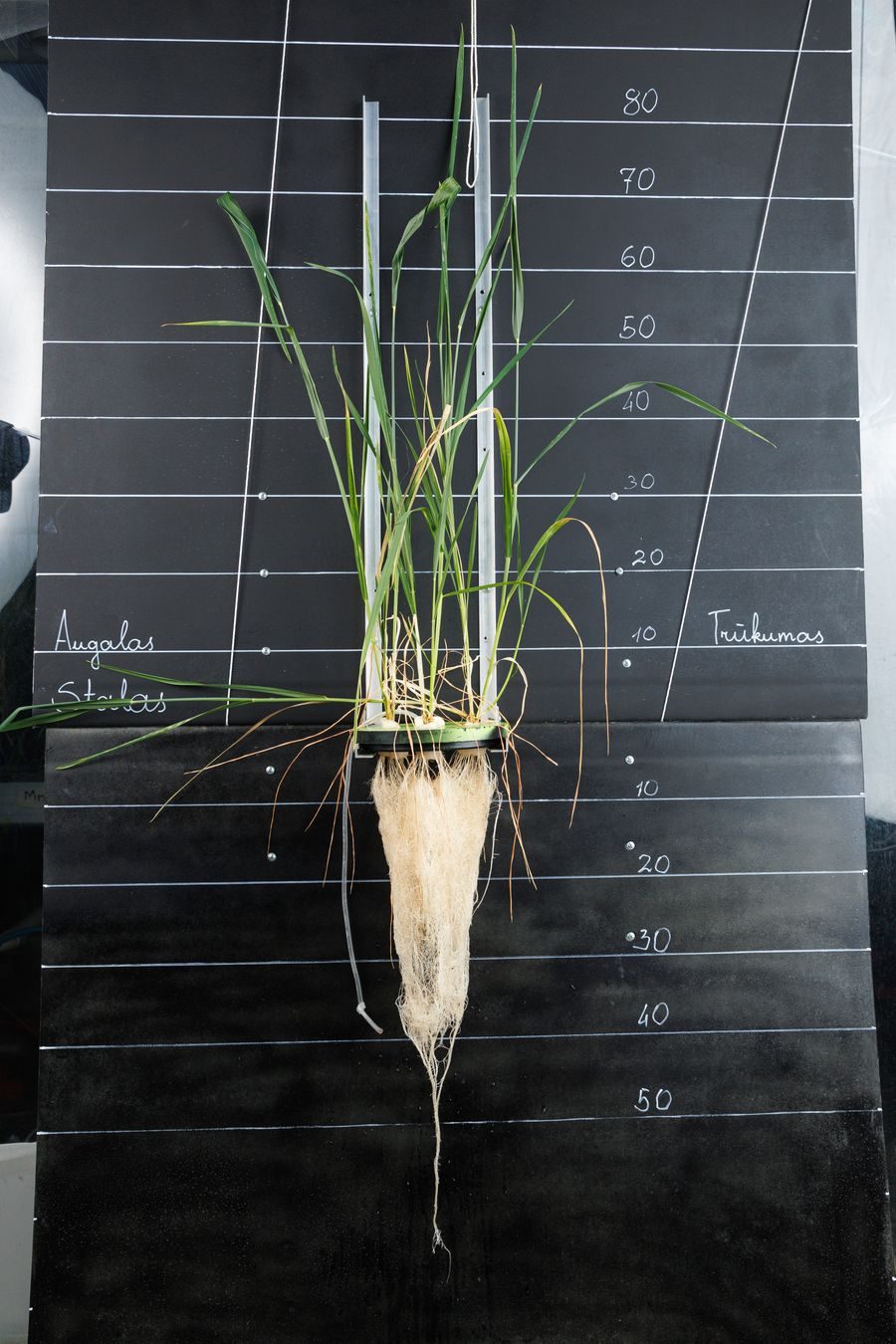
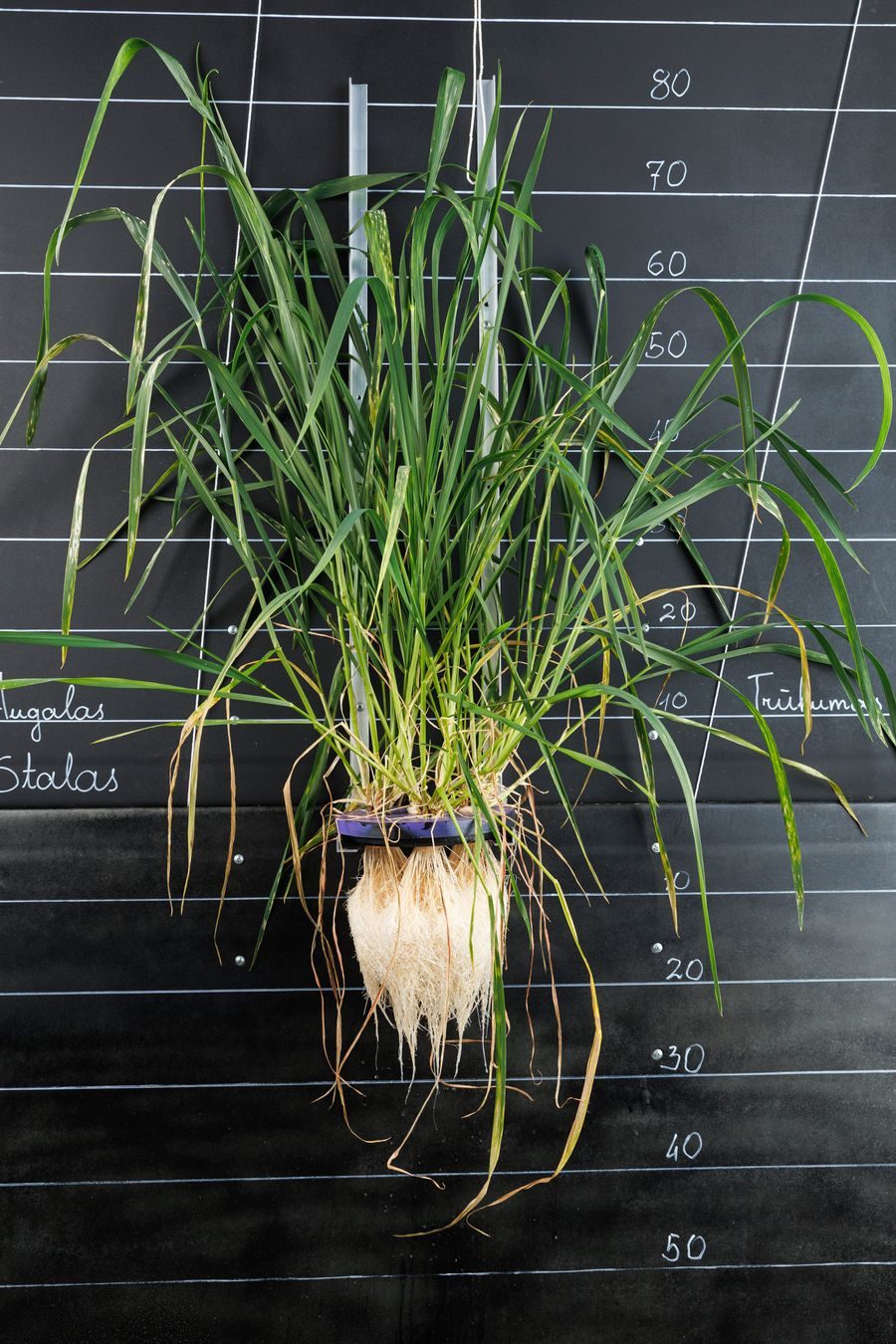
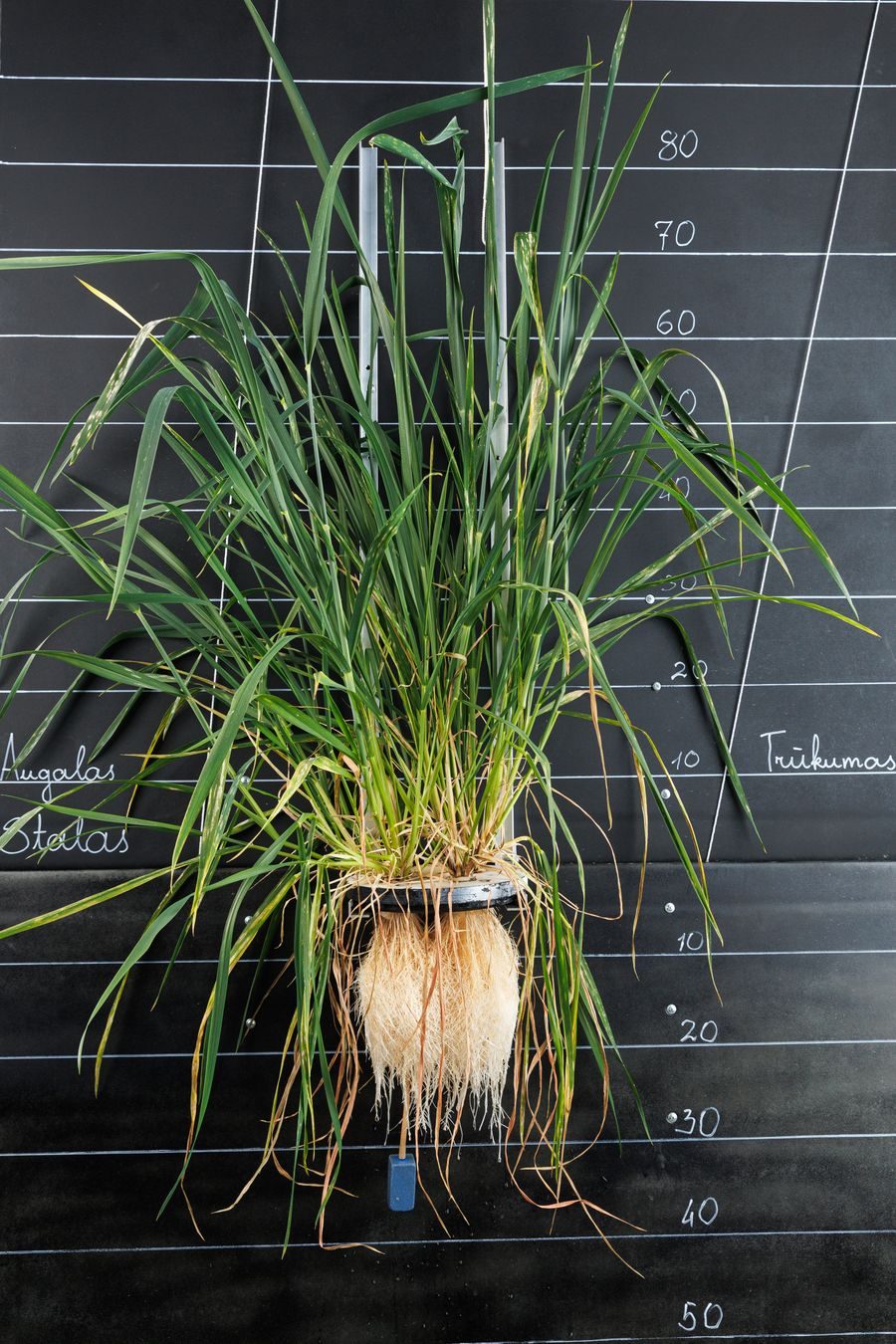
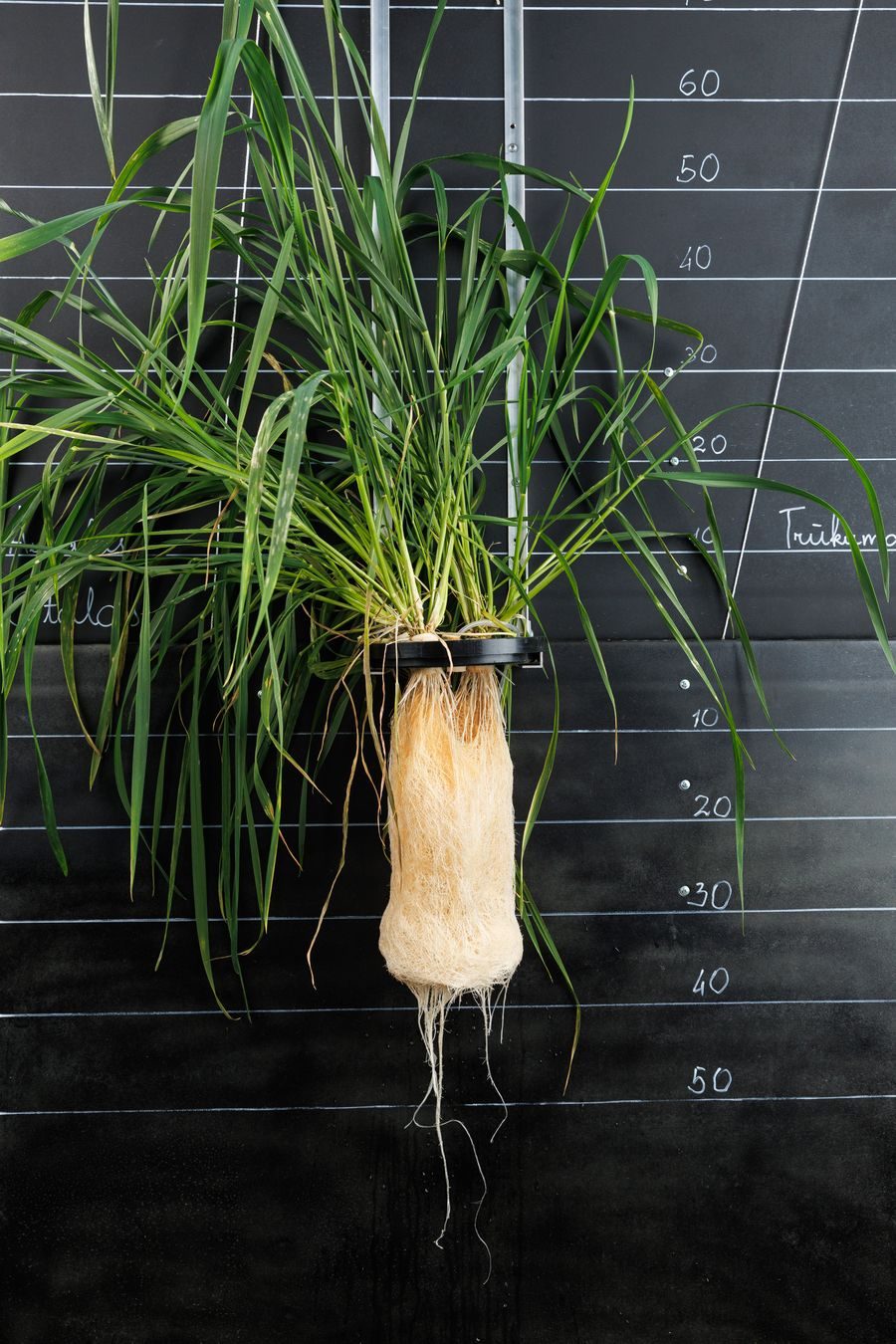
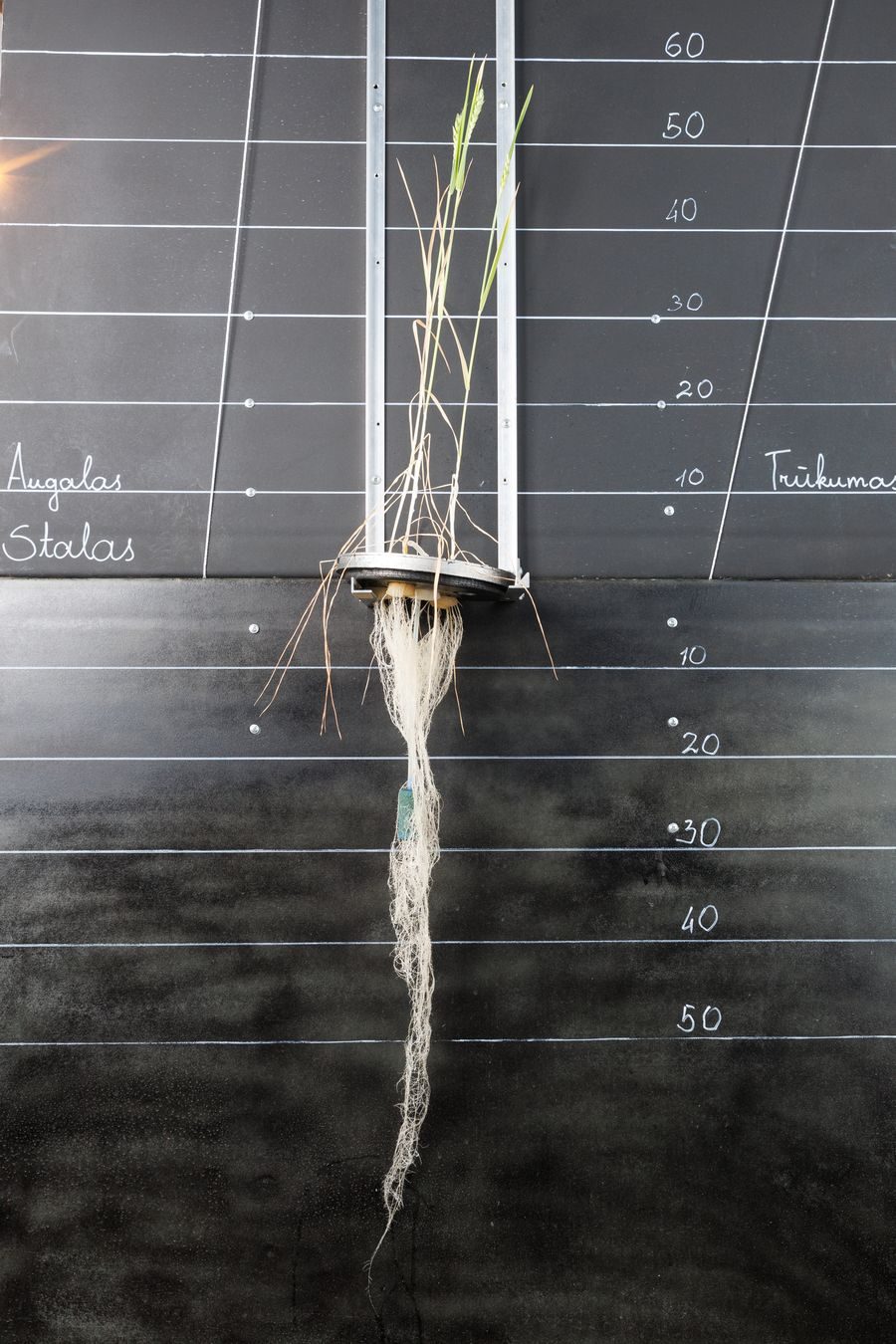
試験中の根付きの小麦株 試験中の根付きの小麦株 試験中の根付きの小麦株 試験中の根付きの小麦株

VMU農業アカデミーの水耕試験の小麦。

Plants誌(2026年)の論文を読む →

なぜBBCH 30–37の生育段階に注目すべきなのか?

私たちの研究では春小麦を水耕栽培しました。単一の多量要素の欠乏をBBCH 23から始め、21日、28日、35日間続けました。これらの期間はおおよそBBCH 30、32、37に相当します。影響は養分と期間によって異なりました。たとえば28日間のカリウム欠乏は有効分げつ数を減らし、窒素・リン・カルシウムの欠乏は長引くほどバイオマスの損失が大きくなりました。

重要:これらの日数をそのまま土壌に当てはめてはいけません。 土壌では欠乏が3〜5倍速く進みます。土壌では植物が水不足にもさらされがちですが、水が決して不足しない水耕栽培では、植物は保護状態に長くとどまれます。つまり、より辛抱強いのです。

BBCH 23
分げつ期。欠乏開始(0日目)
BBCH 30
21日後
BBCH 31
第1節――目安となる時点
BBCH 32
28日後
BBCH 37
35日後
BBCH 30–37――管理試験における警戒期間

BBCH 31――第1節期。 植物が茎伸長期に入り、将来の収量構造が形づくられる時期であるため、重要な目安になります。私たちのデータから、BBCH 30–37は実用上意味のある警戒期間と考えられますが、すべての圃場・すべての養分に共通する閾値ではありません。研究は管理された環境で行われたため、圃場では欠乏の進み方が異なる可能性があります。

施肥計画にとって何を意味するのか?

養分欠乏が疑われる場合は、症状がはっきりするまで待たずに、できるだけ早く確認・評価することをおすすめします。BBCH 31は、植物が必要な養分を得ているかを確認することが特に重要になる目安です。後から施用した養分で植物のその後の状態が改善することはあっても、失われた分げつ、傷んだ生長点、形成されなかった穀粒原基が戻るとは限りません。

現場の経験から

畑では時間が何倍も速く進む

水耕栽培では植物に常に水があるため、養分の飢餓はゆっくり進みます。当社の農学者の観察では、土壌では同様の不足が5〜10日で、干ばつ時にはわずか1〜3日で進みます。水耕栽培での3週間の飢餓は、畑では1週間、乾燥期にはわずか数日に相当することがあります。

水耕栽培(管理試験)約28日
土壌(圃場での経験)5〜10日
干ばつ(圃場での経験)1〜3日

だからこそ畑では、数日の遅れでもすでに手遅れになりかねません。植物は別のプロセスに切り替わり、その後は異なる養分を必要とすることがあります。欠乏は目に見えるまで待つのではなく、測定すべきなのです。

なぜ目では欠乏が見えないのか?

人間の目は3種類の錐体だけで色を感じ、それぞれ青(約440 nm)、緑(約545 nm)、黄赤(約565 nm)の光に最も敏感で、すべての光を3つの信号にまとめてしまいます(Webvision)。近赤外光はまったく見えません。一方、植物は非常に多くの異なる波長を吸収・反射しており、欠乏に関連する変化は目に見える症状よりも先に反射スペクトルに現れます(Petrauskas et al., 2026).

そのため、いわゆる「隠れた飢餓」は目に見える症状がなくても収量を10〜35%減らすことがあり、20%未満の生育差は目では見分けにくいのです(GRDC, 2010). 畑を見ると見事に育っていて豊作を期待します。でも実際には、もっと多く収穫できたかもしれないのです。

圃場での期間はUAB „Žemdirbių konsultacijos“の農学者の観察に基づくもので、水耕研究の結果ではありません。

実務者の結論

SmartAgrometerが欠乏を示したらどうするか

すべての欠乏を同じように救うべきとは限りません。ある圃場への投資をやめ、その肥料を別のより良い圃場に回すのが正しい判断になることもあります。以下は、私たちの研究と圃場での仕事から得た実務農学者の結論です。

N
葉面散布で救える

植物は葉からかなり効率よく窒素を吸収します。窒素不足のときは、葉面から10〜20 kgの窒素を施用できます。

P
早期のみ救える

葉面から効果的に施用できるリンはわずか数キログラムです。リンの需要は分げつ期の終わり前、開花よりずっと前にピークを迎えます。このような急で大きな需要は、土壌のリンがCクラス以上の場合にしか満たせません。

初期の段階なら、まだ葉面散布で救う価値があります。欠乏が茎伸長期の終わり以降に現れた場合、窒素肥料への投資はもう割に合いません。植物はリンを待ち、側分げつを落とし始め、株立ちがまばらになり、まばらな作物は日差しで焼けてしまいます。

問い直すサイン:この圃場に本当にまだ投資する価値があるか?

Ca
投資をやめるサイン

カルシウム欠乏は最悪のケースです。現れると株立ちが徐々にまばらになり、長引くほど速くまばらになります。

カルシウム(あるいはリンや窒素)の欠乏が開花期など遅い時期に現れると、すべての粒の着生部位が使われず、粒に十分なデンプンとタンパク質が蓄えられず、しなびた軽い粒になります。

カルシウム欠乏が早く現れるほど、その肥料をより多い量で別の良い圃場に回す理由が強くなります。

植物は適応する――ただしカルシウムは別

これまでと最新の研究から、小麦はほとんどの多量・微量要素の不足にかなりうまく適応することが分かっています。カルシウムは例外です。欠乏は植物にとって破壊的なものではなく、適応的で、混乱を引き起こしません。

植物には、これから起こる変化をすばやく伝える一種の「郵便」システムがあります。不足している養分の役割に応じて、防御の仕組みが段階的に働きます。

0
シグナル
「郵便」システムは、目に見える症状が出る前に欠乏を知らせます。
1
内部の蓄えと待機
植物は内部の蓄えを使います。たとえばクロロフィルから窒素を取り出します。一部のプロセスは停止します。カリウムが不足すると、P、Ca、Mg、B、Cu、Fe、Mn、Mo、Znが根にたまり始めます。カリウムはこれらすべての養分を運ぶため、「トラック」がない状態になり、植物は待ちながら蓄えるのです。
2
大きな生理的変化
欠乏が長引くと、植物は第2段階の防御に移ります。
Ca
特別なケース――カルシウム

カルシウムは細胞壁や細胞膜をつなぎとめ、生長点を働かせ続け、細胞同士の「会話」を助けます。植物はカルシウムを吸収し、その供給を調節する術を知っています。しかしカルシウムが長く不足すると生育が大きく損なわれ、後から補給してもすべては元に戻せません。

水耕栽培ではカルシウム欠乏だけを単独で研究できました。土壌ではカルシウムのない土は存在しないため不可能で、カルシウムに関する論文が少ないのはそのためです。私たちの研究では、長期のカルシウム欠乏が生育を強く抑え、完全な栄養に戻した後も植物の回復は不十分で、一部の生育・収量形質は回復しませんでした。おそらく進化の過程で植物がカルシウム欠乏にほとんど直面せず、適応を学ばなかったためでしょう。

結論はシンプルです。カルシウム欠乏は早めに見つけて対処しなければなりません。これは管理試験の結果であり、品種や圃場によっては異なる現れ方をすることがあります(Petrauskas et al., 2026).

カルシウムは単なる石灰資材ではありません。 カルシウムは土壌中を移動するため、酸性でない圃場でも植物のカルシウム欠乏は起こり得ます。

実務農学者でVMU博士課程のエルネスタス・ペトラウスカスによる、UAB „Žemdirbių konsultacijos“の研究と圃場での仕事から得た結論。科学的根拠: Petrauskas et al., 2026, Plants 15(7), 1094.

試験の写真

12の欠乏症。目で見分けられますか?

同じ冬小麦の試験で、各株にはそれぞれ1つの養分が欠けていました。はっきり分かる違いもありますが、ほとんどは目ではほぼ見えません。特に、どの株も同じように見える畑ではなおさらです。SmartAgrometerは欠乏を数値で示します。

試験の冬小麦:すべての養分を受けた株
対照
すべての養分あり
試験の冬小麦:窒素欠乏
N
窒素欠乏
試験の冬小麦:リン欠乏
P
リン欠乏
試験の冬小麦:カリウム欠乏
K
カリウム欠乏
試験の冬小麦:カルシウム欠乏
Ca
カルシウム欠乏
試験の冬小麦:マグネシウム欠乏
Mg
マグネシウム欠乏
試験の冬小麦:硫黄欠乏
S
硫黄欠乏
試験の冬小麦:鉄欠乏
Fe
鉄欠乏
試験の冬小麦:マンガン欠乏
Mn
マンガン欠乏
試験の冬小麦:銅欠乏
Cu
銅欠乏
試験の冬小麦:亜鉛欠乏
Zn
亜鉛欠乏
試験の冬小麦:モリブデン欠乏
Mo
モリブデン欠乏
試験の冬小麦:ホウ素欠乏
B
ホウ素欠乏
VMU農業アカデミーの温室での水耕試験、2025年12月 養分のすべて ↓

12の養分

各養分が小麦にとって何をするのか、欠乏するとどう見えるのか、いつ最も危険なのか、後から補えるのか。

重要: 症状はあくまで目安です。品種、栽培条件、養分間の相互作用、その他のストレスによって変わることがあります。カードの「最も危険な時期」は養分の役割と小麦の生育段階をまとめたもので、すべての微量要素について欠乏期間の明確な圃場閾値が科学的に定められているわけではありません。

葉面施肥:実際に植物に入る量

多量要素
N、P、K、Ca、Mg、S――必要量は数十〜数百kg/ha

いずれも葉面から施用できますが、実際に植物に入る量はさまざまで、比較的少量です。そのため葉面の多量要素は欠乏の補充や救済にはなりますが、基本は土壌に施す必要があります。

微量要素
Fe、Mn、Cu、Zn、Mo、B――必要量は数g〜数百g/ha

必要量はほぼすべて葉面から賄うことができ、問題も通常は完全に解決できます。正しく、適切なタイミングで行えばよいのです。

数時間で葉に現れる養分もありますが、葉に入ることと他の器官へ移動することは別のことです。すべてに当てはまる効率の数値はなく、養分、肥料の形態、生育段階、天候によって決まります。だからこそ、何が不足しているかを正確に知ることが重要なのです。

学術文献は、大量に必要な養分は土壌施用が最適であり、葉面施肥はそれを補う経済的で効果的な方法だと強調しています。ただし成功には欠乏の正しい診断が欠かせません(Fageria et al., 2009)。それこそがSmartAgrometerの役割です。各カードに、その養分の葉面施肥に関する研究を掲載しています。

あなたの農場で欠乏はいくらの損失になる?

ご自身の数値を入力してください。各カードで、研究で確認された収量差をユーロに換算します(収量×割合×価格)。見えないまま養分が不足しているときに失う金額であり、測定して不足分を施用すれば得られる金額でもあります。比較として、SmartAgrometerの初年度費用は2,200 €です。

数値は特定の試験の結果であり、すべての圃場を保証するものではありません。養分が足りている場所では増収はありません。リトアニアで5年間行われた春小麦の試験では、葉面施用した微量要素と窒素が毎年収量を増やしたわけではありませんでした(Žemdirbystė-Agriculture)。だからこそ、本当に不足しているものだけを施用する価値があり、そのためには測定が必要です。これは予測ではなくシナリオです。欠乏が圃場全体に及ぶことはまれなので、農場全体の金額は影響を受けた面積の割合についてのみ計算し、追加施肥の費用は含めていません。
N

窒素

多量要素 · 当社の試験で研究
役割
窒素はタンパク質、クロロフィル、酵素の基本です。葉面積、分げつ数・粒数、タンパク質含量はすべて窒素に左右されます。窒素が不足すると光合成が低下し、植物が蓄えるバイオマスが減ります。
欠乏による損失
39–50 %
リトアニアに最も近い試験
リトアニアとラトビアの無窒素小麦試験
36 %
平均(8件の研究) · 計算に使用
最大80%
強い欠乏(確認済み)
ドイツの無施肥小麦:11 t/haではなく2 t/ha
窒素は何よりも収量を左右します。リトアニアとラトビアの無窒素試験では小麦の収量が39〜50%低く、ドイツ南部では無施肥の小麦が10.7〜11.4 t/haではなくわずか2.0〜2.3 t/haでした。リトアニアの大麦モデルでは、窒素ストレスだけで最大54%の減収になりました。マメ科や多年生牧草の後作では、差が7〜9%にとどまることもあります。
€ 影響面積で: 約504 €/ha · 約100,800 € / 200 ha
深刻な欠乏では最大1,120 €/ha
P

リン

多量要素 · 当社の試験で研究
役割
リンは植物のエネルギーです。エネルギー代謝、根の成長、細胞膜、遺伝物質に関わり、根張り、分げつ、穂の発達に重要です。
欠乏による損失
7–8 %
リトアニアに最も近い試験
ドイツ・ディコプスホーフ試験(1906〜2018年)
12 %
平均(9件の研究) · 計算に使用
最大23%
強い欠乏(確認済み)
リンの乏しい土壌や砂質土
リンの効果は主に土壌の蓄えによって決まります。100年以上続くドイツのディコプスホーフ試験では、リンなしの小麦の収量は7〜8%低く、フィンランドのやせた土壌では最大19%低くなりました。リンが豊富な土壌ではほとんど差がないため、すべての圃場に共通する数値はありません。
€ 影響面積で: 約168 €/ha · 約33,600 € / 200 ha
深刻な欠乏では最大322 €/ha
K

カリウム

多量要素 · 当社の試験で研究
役割
カリウムは水分バランス、気孔、酵素、糖の輸送を調節します。細胞の「圧力」を保ち、干ばつへの耐性を高め、茎を丈夫にします。
欠乏による損失
11–15 %
リトアニアに最も近い試験
リトアニアの試験(Skėmiai、大麦)
13 %
平均(7件の研究) · 計算に使用
最大24%
強い欠乏(確認済み)
カリウム欠乏土壌、世界的メタ分析
リトアニアのカリウムなし試験では収量が11〜15%低くなりました。2026年の世界的メタ分析では、カリウムにより小麦の収量が平均24%、大麦が16.5%増加しましたが、その多くはカリウム欠乏土壌です。カリウムが足りている場所では増収がないこともあります。
€ 影響面積で: 約182 €/ha · 約36,400 € / 200 ha
深刻な欠乏では最大336 €/ha
Ca

カルシウム

多量要素 · 当社の試験で研究
役割
カルシウムは細胞壁と細胞膜をつなぎとめ、細胞分裂と成長シグナルに必要です。古い組織から新しい組織へはほとんど移動しないため、成長中の葉や根に特に重要です。
欠乏による損失
なし
リトアニアに最も近い試験
リトアニアではカルシウム単独の圃場試験は見つかりませんでした
14 %
平均(3件の研究)――参考値 · 計算に使用
11–20 %
強い欠乏(確認済み)
他地域のカルシウム・石膏試験――参考値のみ
カルシウム欠乏だけを扱った圃場試験はほとんどありません。カルシウムのない土壌は存在せず、石灰施用試験ではpHやアルミニウム毒性も同時に変化するためです。他地域のカルシウム・石膏試験では11〜20%の差が見られますが、参考値にすぎません。私たちの研究では、カルシウム欠乏は最も補正が難しい欠乏の1つでした。測定で示されたら深刻なサインです。
€ 影響面積で: 約196 €/ha · 約39,200 € / 200 ha
深刻な欠乏では最大280 €/ha
Mg

マグネシウム

多量要素 · 当社の試験で研究
役割
マグネシウムはクロロフィルの中心です。マグネシウムがなければ光合成はできません。酵素の働きや、糖を穀粒へ運ぶためにも必要です。
欠乏による損失
4–9 %
リトアニアに最も近い試験
ポーランドの冬小麦:+0.5〜0.9 t/ha
9 %
平均(5件の研究) · 計算に使用
最大17%
強い欠乏(確認済み)
マグネシウム欠乏土壌
99件の圃場研究と570の比較によるメタ分析では、マグネシウム施肥後の収量が平均8.5%高くなりました。ポーランドの冬小麦試験では、マグネシウムにより収量が0.5〜0.9 t/ha増加しました。損失の大きさは土壌のMg、pH、KとCaの比率によって決まります。
€ 影響面積で: 約126 €/ha · 約25,200 € / 200 ha
深刻な欠乏では最大238 €/ha
S

硫黄

多量要素 · 当社の試験で研究
役割
硫黄はアミノ酸、タンパク質、酵素、窒素代謝に必要です。窒素と硫黄はペアで働きます。硫黄が不足すると、土壌に窒素があっても植物は窒素をうまく使えません。
欠乏による損失
19–23 %
リトアニアに最も近い試験
エストニアの冬小麦試験
10 %
平均(6件の研究) · 計算に使用
最大33%
強い欠乏(確認済み)
エストニアの石灰質土壌、不良年
エストニアの冬小麦試験では、硫黄により収量が平均22〜23%増加し、石灰質土壌の一部の年には欠乏で収量の3分の1を失いました。55件の研究による世界的メタ分析では、平均はより控えめな約4%です。硫黄が足りている場所では増収はありません。
€ 影響面積で: 約140 €/ha · 約28,000 € / 200 ha
深刻な欠乏では最大462 €/ha
Fe

鉄

微量要素
役割
鉄は電子伝達、クロロフィルの形成、光合成に関わります。必要量はわずかですが、不足すると葉の働きが大きく損なわれます。
欠乏による損失
≈4 %
リトアニアに最も近い試験
ポーランドの春大麦試験
14 %
平均(10件の研究)――参考値 · 計算に使用
最大20%
強い欠乏(確認済み)
高pHの石灰質土壌での鉄クロロシス
鉄欠乏は高pHの石灰質土壌で最も危険で、クロロシスにより最大20%の減収になることがあります。107件の論文のメタ分析では平均12%の増収ですが、カンザス州の試験では鉄が効果を示したのは7圃場中4圃場だけでした。ポーランドの大麦試験では増収は約4%でした。リトアニアの土壌では深刻な鉄欠乏はまれです。
€ 影響面積で: 約196 €/ha · 約39,200 € / 200 ha
深刻な欠乏では最大280 €/ha
Mn

マンガン

微量要素
役割
マンガンは光合成、酵素、酸化ストレスからの保護に必要です。花粉の活力や穀粒の形成にも重要です。
欠乏による損失
6–10 %
リトアニアに最も近い試験
ポーランドの春大麦試験
13 %
平均(10件の研究) · 計算に使用
最大36%
強い欠乏(確認済み)
スウェーデンの冬大麦、越冬株が最大33%増加
スウェーデンの冬大麦試験では、マンガンにより収量が最大36%増え、越冬した株が最大33%増えました。ポーランドの大麦試験では増収が6〜10%に達しましたが、ポーランドの別の小麦試験では明確な効果はありませんでした。品種による差が大きく、マンガン欠乏の圃場では24品種の小麦の収量が6〜25%低くなりました。
€ 影響面積で: 約182 €/ha · 約36,400 € / 200 ha
深刻な欠乏では最大504 €/ha
Cu

銅

微量要素
役割
銅は酵素活性、光合成、呼吸、リグニンの形成(茎の強度)、生殖に関わります。不足すると花粉と穂の稔性が損なわれます。
欠乏による損失
5–9 %
リトアニアに最も近い試験
ポーランドの冬小麦、5品種中3品種
7 %
平均(10件の研究) · 計算に使用
最大22%
強い欠乏(確認済み)
カナダの銅欠乏土壌
ポーランドの冬小麦試験では、銅により5品種中3品種で収量が5〜9%増加しました。カナダの115件の圃場試験のまとめは明確です。土壌の銅が0.4 mg/kg未満では87%の試験で収量が反応し、0.4〜0.8 mg/kgでは16%、0.8 mg/kgを超えると反応はゼロでした。銅不足は花粉を損なうため、植物が青々と見えても穂につく粒が少なくなります。
€ 影響面積で: 約98 €/ha · 約19,600 € / 200 ha
深刻な欠乏では最大308 €/ha
Zn

亜鉛

微量要素
役割
亜鉛は多くの酵素、タンパク質合成、生育調節、根と茎葉の正常な発達に必要です。
欠乏による損失
≈10 %
リトアニアに最も近い試験
ポーランド:春小麦試験74件中34件で反応
5 %
平均(10件の研究) · 計算に使用
10–30 %
強い欠乏(確認済み)
亜鉛欠乏(確認済み)
ポーランドの春小麦の圃場試験74件のうち34件で、亜鉛により収量が平均約10%増加しました。欠乏が確認された場合、穀物の収量は通常10〜30%、大麦は16〜29%低下し、干ばつがその影響を強めます。亜鉛が足りている場所では増収はありません。
€ 影響面積で: 約70 €/ha · 約14,000 € / 200 ha
深刻な欠乏では最大420 €/ha
Mo

モリブデン

微量要素
役割
モリブデンは、硝酸を植物が使える窒素に変える酵素に必要です。そのため不足すると窒素欠乏のように見えます。
欠乏による損失
≈6 %
リトアニアに最も近い試験
ベラルーシのエンドウ試験
15 %
平均(10件の研究) · 計算に使用
15–59 %
強い欠乏(確認済み)
オーストラリアの強酸性土壌の小麦
穀物でのモリブデン不足はまれで、マメ科やアブラナ科のほうが敏感です。オーストラリアの強酸性土壌では小麦の収量反応が15〜59%に達し、ベラルーシのエンドウ試験では約6%、ポーランドの最近の小麦試験ではモリブデン単独の増収は見られませんでした。リスクは酸性土壌で最も高くなります。
€ 影響面積で: 約210 €/ha · 約42,000 € / 200 ha
深刻な欠乏では最大826 €/ha
B

ホウ素

微量要素
役割
ホウ素は細胞壁と成長中の組織に重要です。小麦では特に花粉にとって重要で、不足すると花粉の発達が悪く、結実が不良になります。
欠乏による損失
9–15 %
リトアニアに最も近い試験
ポーランドの冬小麦、10品種中4品種
12 %
平均(10件の研究) · 計算に使用
15–50 %
強い欠乏(確認済み)
深刻なホウ素欠乏(確認済み)
ポーランドの冬小麦試験では、ホウ素により10品種中4品種で収量が9〜15%増加し、他の品種は反応しませんでした。ベラルーシのナタネとヒマワリの試験では増収が10〜23%に達しました。深刻な欠乏では小麦の収量が15〜50%低下しました。穂はできても、粒の一部が結実しないのです。
€ 影響面積で: 約168 €/ha · 約33,600 € / 200 ha
深刻な欠乏では最大700 €/ha

主な参考文献

  1. Petrauskas, E. et al. (2026). Effects of Macronutrient Deprivation on Spring Wheat Productivity. Plants, 15(7), 1094. doi:10.3390/plants15071094
  2. de Bang, T. C. et al. (2021). The molecular–physiological functions of mineral macronutrients and their consequences for deficiency symptoms in plants. New Phytologist, 229, 2446–2469. doi:10.1111/nph.17074
  3. Lilay, G. H. et al. (2024). Linking the key physiological functions of essential micronutrients to their deficiency symptoms in plants. New Phytologist. doi:10.1111/nph.19645
  4. Rerkasem, B. et al. (2000). Effects of Boron Deficiency on Anther Development and Floret Fertility in Wheat. Annals of Botany, 85(4), 493–500. リンク
  5. Response of wheat, pea, and canola to micronutrient fertilization on five contrasting prairie soils (2020). Scientific Reports. PMC7606479
  6. Fageria, N. K. et al. (2009). Foliar fertilization of crop plants. Journal of Plant Nutrition, 32(4), 1044–1064. リンク
  7. Zou, C. Q. et al. (2012). Biofortification of wheat with zinc through zinc fertilization in seven countries. Plant and Soil, 361, 119–130. doi:10.1007/s11104-012-1369-2
  8. Dhaliwal, S. S. et al. (2023). Minerals and chelated-based manganese fertilization influences the productivity, uptake, and mobilization of manganese in wheat. Frontiers in Plant Science, 14, 1163528. doi:10.3389/fpls.2023.1163528
  9. Brennan, R. F. (1990). Effectiveness of some copper compounds applied as foliar sprays in alleviating copper deficiency of wheat. Australian Journal of Experimental Agriculture, 30(5), 687–691. doi:10.1071/EA9900687
  10. Korzeniowska, J. (2008). Response of ten winter wheat cultivars to boron foliar application. Agronomy Science, 63(4). リンク
  11. Razmjoo, J., Ghafari, H. (2015). Response of durum wheat to foliar application of varied sources and rates of iron fertilizers. Journal of Agricultural Science and Technology, 17(2), 321–331. リンク
  12. Zoz, T. et al. (2012). Foliar fertilization with molybdenum in wheat. Semina: Ciências Agrárias, 33(2), 633–638. doi:10.5433/1679-0359.2012v33n2p633
  13. Asfaw, A. G. et al. (2025). Yield-limiting nutrients for wheat production in Farta to Lay Gayint districts of the Amhara Region in Northwest Ethiopia. Frontiers in Agronomy, 7, 1541332. doi:10.3389/fagro.2025.1541332
  14. Wassie et al. (2015). A study of wheat leaf nutrient concentrations and soil fertility. Springer Nature.
  15. Jones et al. (2003). Phosphorus concentration thresholds for spring wheat. Journal of Plant Nutrition (Taylor & Francis).
  16. Shi et al. (2019); Ma et al. (2010). Effect of phosphorus on wheat ear and grain development.
  17. Gülüt et al. (2021). A study of wheat N and S nutrition and the tissue N:S ratio.
  18. Zhao et al. (2018). The link between sulphur and nitrogen nutrition in wheat.
  19. Zhou et al. (2024). Meta-analysis of wheat iron fertilisation and yield response. ScienceDirect.
  20. Nayyar et al. (1986, 1990); Sharma et al. (1996); Graham et al. (1985). Studies on manganese diagnosis and field correction in wheat.
  21. Rashid, A. et al. (2005). Zinc fertilisation trials in zinc-deficient wheat fields.
  22. Arlauskienė, A., Cesevičienė, J., Šlepetienė, A. (2020). Žemdirbystė-Agriculture, 107(3). Joniškėlis, Lithuania.
  23. Staugaitis, G., Poškus, K., Brazienė, Z., Paltanavičius, V. (2021). Žemdirbystė-Agriculture, 108(3). Rumokai, Lithuania.
  24. Mažvila, J. et al. (2007). Dependence of crop yield and quality on long-term nitrogen, phosphorus and potassium fertilisation on sandy loam (in Lithuanian). Žemdirbystė, 94(3), 3–17.
  25. Litke, L., Gaile, Z., Ruža, A. (2017). Research for Rural Development; (2019). Agronomy Research, 17(2). Latvia.
  26. Hlisnikovský, L. et al. (2023). Plants, 12(6), 1392; (2024). Plants, 13(6), 802. doi.org/10.3390/plants13060802
  27. Leonte, A. et al. (2026). Yield and Grain Quality Response of Winter Wheat to Different Nitrogen and Phosphorus Fertilization Doses. Nitrogen, 7(3), 97.
  28. Janušauskaitė, D., Lazauskas, S. (2007). Žemdirbystė, 94(3), 33–46. Dotnuva, Lithuania.
  29. Saarela, I. et al. (2006). Effects of repeated phosphorus fertilisation on field crops in Finland 1–2. Agricultural and Food Science, 15.
  30. Valkama, E., Uusitalo, R., Turtola, E. (2011). Yield response models to phosphorus application: a research synthesis of Finnish field trials. Nutrient Cycling in Agroecosystems. doi.org/10.1007/s10705-011-9434-4
  31. von Tucher, S., Hörndl, D., Schmidhalter, U. (2018). Ambio, 47, 41–49. doi.org/10.1007/s13280-017-0970-2
  32. Márton, L. (2008). Cereal Research Communications, 36(3), 511–522. Hungary.
  33. Sun, Z. et al. (2024). Effects of Nutrient Deficiency on Crop Yield and Soil Nutrients under Winter Wheat–Summer Maize Rotation. Agronomy, 14, 2690.
  34. Arbačauskas, J. et al. (2023). The Influence of Mineral NPK Fertiliser Rates on Potassium Dynamics in Soil. Plants, 12(21), 3700. Skėmiai, Lithuania. doi.org/10.3390/plants12213700
  35. Mikšytė, E. (2009). Effect of potassium fertiliser forms, rates and their combinations with EPSO Microtop on barley yield. Master's thesis, LŽŪU (in Lithuanian).
  36. Andrzejewska, A., Przygocka-Cyna, K., Grzebisz, W. (2025). Balanced Fertilization of Winter Wheat with Potassium and Magnesium. Sustainability, 17(15), 6705. Poland.
  37. He, B. et al. (2022). Effect of Different Long-Term Potassium Dosages on Crop Yield and Potassium Use Efficiency in the Maize–Wheat Rotation System. Agronomy, 12(10), 2565.
  38. Liang, G., Schlesinger, W. H. (2026). Potassium fertilization enhances both cereal yield and soil organic carbon: a meta-analysis. Nature Communications, 17, 4521.
  39. Engel, R. E. Spring Wheat Response to Potassium and Chloride. Fertilizer Facts 18, Montana State University.
  40. Abbas, F. et al. (2023). Role of Gypsum in Conserving Soil Moisture, Macronutrients Uptake and Improving Wheat Yield in the Rainfed Area. Water, 15(6), 1011. doi.org/10.3390/w15061011
  41. Michalovicz, L. et al. (2014). Soil fertility, nutrition and yield of maize and barley with gypsum application on soil surface in no-till. Revista Brasileira de Ciência do Solo, 38(5).
  42. Roy Chowdhury, A. et al. (2019). Efficacy of calcium chloride and arginine foliar spray in alleviating terminal heat stress in late-sown wheat. Journal of Agricultural Science, 157(6).
  43. Grzebisz, W., Potarzycki, J. (2022). Effect of Magnesium Fertilization Systems on Grain Yield Formation by Winter Wheat during the Grain-Filling Period. Agronomy, 12(1), 12. Poland. doi.org/10.3390/agronomy12010012
  44. Wang, Z. et al. (2020). Magnesium Fertilization Improves Crop Yield in Most Production Systems: A Meta-Analysis. Frontiers in Plant Science, 10, 1727. doi.org/10.3389/fpls.2019.01727
  45. Wang, Y. et al. (2025). Effects of moderate magnesium application on rice milling quality, nutritional value and eating quality. Frontiers in Sustainable Food Systems.
  46. Niaz, A. et al. (2020). Growth, chlorophyll content and productivity responses of maize to magnesium sulphate application in calcareous soil. Open Agriculture, 5(1), 792–800.
  47. Järvan, M. et al. (2008). The effect of sulphur fertilization on yield, quality of protein and baking properties of winter wheat. Agronomy Research, 6(2), 459–469. Estonia.
  48. Järvan, M. (2012). Lehekaudselt antud väävli mõju talinisu saagikusele ja saagi kvaliteedile. Agraarteadus. Estonia.
  49. Staugaitienė, R., Šlepetienė, A., Žičkienė, L. (2013). Effect of sulphur fertilisation on spring wheat yield and quality (in Lithuanian). Žemės ūkio mokslai, 20(4), 266–275.
  50. Tabak, M. et al. (2020). Efficiency of Nitrogen Fertilization of Winter Wheat Depending on Sulfur Fertilization. Agronomy, 10(9), 1304. Poland.
  51. Kulig, B. et al. (2025). Optimalization of Nitrogen and Sulfur Fertilization of Hypoallergenic Winter Wheat Lines. Sustainability, 17(21), 9844. Poland.
  52. Roa, G. A. et al. (2024). Meta-analysis of the effect of sulphur fertilisation on wheat yield and protein. Nitrogen, 5(3), 37.
  53. Taskin, M. B., Gunes, A. (2022). Iron Biofortification of Wheat Grains by Foliar Application of Nano Zero-valent Iron (nZVI) and Other Iron Sources with Urea. Journal of Soil Science and Plant Nutrition. Turkey.
  54. Sobolewska, M. et al. (2020). Effect of Habitat and Foliar Fertilization with K, Zn and Mn on Winter Wheat Grain and Baking Qualities. Agronomy, 10(2), 276. Poland.
  55. Zulfiqar, U. et al. (2021). Manganese Supply Improves Bread Wheat Productivity, Economic Returns and Grain Biofortification under Conventional and No Tillage Systems. Agriculture, 11(2), 142.
  56. Yang, N. et al. (2025). Exogenous Manganese Sulfate Application on Wheat Grain Yield and Carotenoids. Agronomy, 15(9), 2190.
  57. Jaidka, M. et al. (2026). Agricultural Science Digest, D-6511. Punjab, India.
  58. Bansal, R. L., Nayyar, V. K. (1998). Indian Journal of Agricultural Sciences, 68(2).
  59. Shahrajabian, M. H. et al. (2020). Effect of manganese sulphate on wheat yield, Iran (cited in Jaidka et al., 2026).
  60. Dhaliwal, S. S. et al. (2023). Minerals and chelated-based manganese fertilization influences the productivity, uptake, and mobilization of manganese in wheat. Frontiers in Plant Science, 14, 1163528.
  61. Reuter, D. J. (1972); Warooka trials 1963–1969, South Australia (farmtrials.com.au).
  62. Stewart, Z. P. et al. (2021). Effect of Foliar Micronutrients (B, Mn, Fe, Zn) on Maize Grain Yield, Micronutrient Recovery, Uptake, and Partitioning. Plants, 10(3), 528. USA.
  63. Zulfiqar, U. et al. (2020). Iron Nutrition Improves Productivity, Profitability, and Biofortification of Bread Wheat under Conventional and Conservation Tillage Systems. Journal of Soil Science and Plant Nutrition. Pakistan.
  64. Khatun et al. (2024). Effect of zinc and iron fertilization on yield of wheat. Bangladesh.
  65. Hao, B. et al. (2021). Effects of foliar application of micronutrients on concentration and bioavailability of zinc and iron in wheat landraces and cultivars. Scientific Reports, 11. China.
  66. Singh, K. K. et al. (2026). Iron Fertilization Strategies for Improving Yield and Economic Returns of Aerobic Direct-Seeded Rice. International Journal of Advanced Biochemistry Research, 10(3). India.
  67. Ali, S., Shah, S., Arif, M. (2021). Agronomic Biofortification with Zinc and Iron for the Improvement of Wheat Phenology and Yield. Sarhad Journal of Agriculture. Pakistan.
  68. Niyigaba, E. et al. (2019). Winter Wheat Grain Quality, Zinc and Iron Concentration Affected by a Combined Foliar Spray of Zinc and Iron Fertilizers. Agronomy, 9(5), 250. China.
  69. Liszewski, M., Błażewicz, J. (2018). Polish Journal of Agronomy, 35, 83–88. Poland, spring barley.
  70. Rahman, N., Schoenau, J. (2022). Bioavailability, Speciation, and Crop Responses to Copper, Zinc, and Boron Fertilization in South-Central Saskatchewan Soil. Agronomy, 12(8), 1837. Canada.
  71. WARC, NARF, CLC (2022). Evaluating the 4R Principles for Copper Application on Wheat Yield and Seed Quality. ADOPT ataskaita, Saskatchewan, Canada.
  72. Franzen, D. W., McMullen, M. V., Mosset, D. S. (2008). Spring Wheat and Durum Yield and Disease Responses to Copper Fertilization of Mineral Soils. Agronomy Journal, 100(2), 371–375. North Dakota, USA.
  73. Karamanos, R. E. et al. (2004). Canadian Journal of Plant Science, 84, 47–56. Manitoba, Canada.
  74. Hoess, T., Heard, J. (~2002). On Farm Testing to Determine Optimum Copper Placement and Sources for Wheat. Manitoba Agriculture and Food.
  75. Alberta Agriculture (1999). Copper Deficiency: Diagnosis and Correction. Agdex 532-3. Canada.
  76. Irmes, K. et al. (2023). The Effect of Foliar Zinc Application on the Leaf Chlorophyll Concentrations and Grain Yields of the Winter Wheat in the Field Experiments of Two Seasons. Agronomy, 13(6), 1640. Hungary.
  77. Ram, H., Rashid, A., Zhang, W. et al. (2016). Biofortification of wheat, rice and common bean by applying foliar zinc fertilizer along with pesticides in seven countries. Plant and Soil, 403, 389–401.
  78. Hui, X. et al. (2025). Zinc agronomic biofortification in wheat and its drivers: a global meta-analysis. Nature Communications. doi.org/10.1038/s41467-025-58397-y
  79. Huang, T. et al. (2024). Response of Wheat Zinc Nutrition to Zinc Fertilization into Soils with Variable Available Zinc. Scientia Agricultura Sinica, 57(14), 2815–2826. China.
  80. Tsyganov, A. R., Vildflush, O. I. (2004). Izvestija Nacionalnoj akademii nauk Belarusi, serija agrarnych nauk, 3. Belarus, peas.
  81. Vasin, A. V. et al. (2021). Zernobobovyje i krupjanyje kultury, 4, 32–38. Russia (Samara), soybean.
  82. Kabylbekova, G. et al. (2024). Effect of pre-sowing treatment of soybean seeds with inoculant and microelements. OCL, 31, 3. Kazakhstan.
  83. Marcondes, J. A. P., Caires, E. F. (2005); Gris, E. P. et al. (2005). Molybdenum fertilisation field trials with soybean, Paraná, Brazil (cited in “Soybean Yield Responses to Micronutrient Fertilizers”, IntechOpen).
  84. Apresyan, O. G., Bulavin, L. A. (trials 2011–2013). Effect of Ecolist Mono Bor on winter and spring oilseed rape. Scientific and Practical Centre for Arable Farming, NAS of Belarus.
  85. Grodno State Agrarian University (trials 2007–2008). Effect of boric acid on winter oilseed rape yield. Belarus.
  86. Goncharuk, V. A. (2013). Effect of boron fertilisers on sunflower yield (trials 2010–2012). Grodno State Agrarian University, Belarus.
  87. Soylu, S. et al. (2005). Responses of Irrigated Durum and Bread Wheat Cultivars to Boron Application in a Low Boron Calcareous Soil. Turkish Journal of Agriculture and Forestry, 29(4), 275–286.
  88. Rashid, A. et al. (2011). Boron Deficiency in Rainfed Wheat in Pakistan: Incidence, Spatial Variability and Management Strategies. Journal of Plant Nutrition.
  89. Ahmad, R., Irshad, M. (2011). Effect of boron application time on yield of wheat, rice and cotton crop in Pakistan. Pakistan.
  90. Žydelis, R. et al. (2025). Modeling study on optimizing water and nitrogen management for barley in marginal soils. Plants, 14(5), 704. Lithuania.
  91. Mittermayer, M. et al. (2024). Effects of different nitrogen fertilization systems on crop yield and nitrogen use efficiency. Heliyon, 10(7), e28065. Germany.
  92. Antošovský, J. et al. (2024). The effect of nitrogen-sulphur fertilizer with nitrification inhibitor on winter wheat nutrition. Heliyon, 10(12), e33035. Czech Republic.
  93. Klikocka, H., Cybulska, M. (2020). The effect of nitrogen and sulfur fertilization on the grain yield and quality characteristics of spring wheat. Agronomy Science, 75(3), 65–74. Poland.
  94. Seidel, S. J. et al. (2021). The long-term Dikopshof trial (1906–2018): wheat yield without phosphorus. Germany.
  95. Stoltz, E., Wallenhammar, A.-C. (2014). Manganese application increases winter hardiness in barley. Field Crops Research, 164, 148–153. Sweden.
  96. Jhanji, S. et al. (2013). Screening diverse wheat genotypes for manganese efficiency. Field Crops Research, 154, 127–132.
  97. Stępień, A., Wojtkowiak, K. (2019). Nitrogen and manganese fertiliser effects on winter wheat. Journal of Elementology, 24(2), 661–675. Poland.
  98. Jarecki, W. (2026). Response of winter wheat to foliar fertilization with microelements. Journal of Elementology, 31(2), 329–341. Poland.
  99. Godsey, C. B. et al. (2003). Correcting Iron Deficiency in Corn with Seed Row–Applied Iron Sulfate. Agronomy Journal, 95, 160–166. USA.
  100. Karamanos, R. E., Goh, T. B., Harapiak, J. T. (2003). Determining wheat responses to copper in prairie soils. Canadian Journal of Soil Science, 83(2), 213–221. Canada, 115 trials.
  101. Korzeniowska, J. (2004). Potrzeby nawożenia pszenicy jarej cynkiem. Cz. II – 74 field trials. Poland.
  102. Bağcı, S. A. et al. (2007). Effects of Zinc Deficiency and Drought on Grain Yield of Field-grown Wheat Cultivars in Central Anatolia. Journal of Agronomy and Crop Science.
  103. Güneş, A. et al. (2003). Effects of Boron Fertilization on the Yield and Some Yield Components of Bread and Durum Wheat. Turkish Journal of Agriculture and Forestry.
  104. Wróbel, S. (2008). Effects of foliar fertilization with boron depending on soil moisture and reaction. Agronomy Science. Poland.
  105. Bhatti, S. M. et al. (2024). Enhancing iron concentration in bread wheat through Fe-EDTA fortification. Eurasian Journal of Soil Science, 13(1). Pakistan. doi.org/10.18393/ejss.1394446
  106. Tobiasz-Salach, R., Jańczak-Pieniążek, M., Bobrecka-Jamro, D. (2018). Assessing the impact of foliar fertilization with manganese and copper on spring barley. Polish Journal of Agronomy, 35, 59–64.
  107. Stadnik, B., Tobiasz-Salach, R., Migut, D. (2024). Influence of Foliar Application of Microelements on Yield and Yield Components of Spring Malting Barley. Agriculture, 14(3), 505.
  108. Korzeniowska, J., Stanisławska-Glubiak, E. (2011). The effect of foliar application of copper on content of this element in winter wheat grain. Polish Journal of Agronomy, 4, 3–6.
  109. Ram, H. et al. (2024). Impact of foliar application of iron and zinc fertilizers on grain iron, zinc, and protein contents in bread wheat. Frontiers in Nutrition, 11, 1378937.
  110. Sordi, A. et al. (2021). Agronomic biofortification of rice and wheat with zinc: A metanalytical study. Research, Society and Development.
  111. Brennan, R. F., Bolland, M. D. A. (2007). Molybdenum for wheat on acidic soils of Western Australia.
  112. Oliveira, S. L. et al. (2022). Molybdenum Foliar Fertilization Improves Photosynthetic Metabolism and Grain Yields of Field-Grown Soybean and Maize. Frontiers in Plant Science, 13. doi.org/10.3389/fpls.2022.887682
  113. Saquee, F. S. et al. (2023). A review of the role of molybdenum in plant nutrition.
  114. Guanzon, I. M., Tuazon, E. D. (2026). Molybdenum fertilization enhances nodulation and seed yield of soybean under field conditions. Discover Plants, 3, 102.
  115. Graham, R. D. (1975). Male sterility in wheat plants deficient in copper. Nature, 254, 514–515.
  116. Korzeniowska, J., Stanisławska-Glubiak, E. (2009). Response of Polish winter wheat varieties to copper fertilisation.
  117. Brennan, R. F., Bolland, M. D. A. (2007). Molybdenum deficiency in wheat on acidic sandy soils of Australia.
  118. Huang, L., Pant, J., Dell, B., Bell, R. W. (2000). Effects of boron deficiency on anther development and floret fertility in wheat. Annals of Botany, 85(4), 493–500. doi:10.1006/anbo.1999.1095
  119. Rashid, A. et al. (2011). Boron deficiency in rainfed wheat in Pakistan: incidence, spatial variability and management strategies. Journal of Plant Nutrition, 34(4), 600–613. doi:10.1080/01904167.2011.538286
  120. Rerkasem, B., Saunders, D. A., Dell, B. (1989). Grain set failure and boron deficiency in wheat in Thailand. Journal of Agriculture, 5(1).
  121. Subedi, K. D. et al. (1998). Cold temperatures and boron deficiency caused grain set failure in spring wheat. Field Crops Research, 57(3), 277–288. doi:10.1016/S0378-4290(97)00148-2
  122. Soylu, S. et al. (2005). Responses of irrigated durum and bread wheat cultivars to boron application in a low boron calcareous soil. Turkish Journal of Agriculture and Forestry, 29(4), 275–286.
  123. Lancashire, P. D. et al. (1991). A uniform decimal code for growth stages of crops and weeds. Annals of Applied Biology, 119(3), 561–601. doi:10.1111/j.1744-7348.1991.tb04895.x
  124. Five-year foliar fertilisation trial with spring wheat in Lithuania. Žemdirbystė-Agriculture.
  125. Yao, Y. et al. (2025). Foliar nitrogen application enhances nitrogen assimilation and modulates gene expression in spring wheat leaves. Agronomy, 15(7), 1688. doi:10.3390/agronomy15071688
  126. Gong, Y.-H. et al. (2026). Foliar ¹⁵N-urea absorption and translocation in wheat with contrasting senescence patterns at late growth stage. Scientific Reports, 16, 7174. doi:10.1038/s41598-026-39067-5
  127. Rawluk, C. D. L., Racz, G. J., Grant, C. A. (2000). Uptake of foliar or soil application of ¹⁵N-labelled urea solution and its effect on wheat grain yield and protein. Canadian Journal of Plant Science, 80(2), 331–334. doi:10.4141/P99-098
  128. Fernández, V., Gil-Pelegrín, E., Eichert, T. (2021). Foliar water and solute absorption: an update. The Plant Journal, 105(4), 870–883. doi:10.1111/tpj.15090
  129. Malik, R. et al. (2024). Wheat response to foliar-applied phosphorus is determined by soil phosphorus buffering. Agronomy, 14(8), 1630. doi:10.3390/agronomy14081630
  130. Ishfaq, M. et al. (2023). Foliar-applied potassium triggers soil potassium uptake by improving growth and photosynthetic activity of wheat and maize. Journal of Plant Nutrition, 46(11), 2691–2706. doi:10.1080/01904167.2022.2160748
  131. Barlas, N. T. et al. (2023). Evaluating leaf wettability and salt hygroscopicity as drivers for foliar absorption. Plants, 12(12), 2357. doi:10.3390/plants12122357
  132. Zang, F. et al. (2024). Effect of sulfur and potassium foliar applications on wheat grain protein quality. Field Crops Research, 319, 109639.
  133. Singh, C. et al. (2024). Impact of foliar application of iron and zinc fertilizers on grain iron, zinc, and protein contents in bread wheat. Frontiers in Nutrition, 11, 1378937. doi:10.3389/fnut.2024.1378937
  134. Zulfiqar et al. (2023). A wheat study on foliar manganese sources.
  135. Fouad, A. et al. (2020). Efficacy of copper foliar spray in preventing copper deficiency of rainfed wheat grown in a calcareous soil. Journal of Plant Nutrition, 43(11), 1617–1626. doi:10.1080/01904167.2020.1739294
  136. Doolette, C. L. et al. (2018). Foliar application of zinc sulphate and zinc EDTA to wheat leaves: differences in mobility, distribution, and speciation. Journal of Experimental Botany, 69(18), 4469–4481. doi:10.1093/jxb/ery236
  137. Stangoulis, J. C. R. et al. (2001). Boron supply into wheat ears whilst still enclosed within leaf sheaths.
  138. Wu, W. et al. (2025). Enhancing wheat yield and quality through late-season foliar nitrogen application: a global meta-analysis. Agronomy, 15(5), 1058. doi:10.3390/agronomy15051058
  139. Zhu, X. H. et al. (2017). Factors contributing to the benefits of foliar nitrogen application for wheat in a sub-tropical winter environment. Journal of Crop Improvement. リンク
  140. Peirce, C. A. E. et al. (2019). The timing of application and inclusion of a surfactant are important for absorption and translocation of foliar phosphoric acid by wheat leaves. Frontiers in Plant Science, 10, 1532. doi:10.3389/fpls.2019.01532
  141. McBeath, T. M. et al. (2020). Assessment of foliar-applied phosphorus fertiliser formulations to enhance phosphorus nutrition and grain production in wheat. Crop & Pasture Science, 71(9), 795–806. doi:10.1071/CP20241
  142. Gu, X. et al. (2021). Effects of the foliar application of potassium fertilizer on the grain protein and dough quality of wheat. Agronomy, 11(9), 1749. doi:10.3390/agronomy11091749
  143. Zoz, T. et al. (2016). Foliar application of calcium and boron improves the spike fertility and yield of wheat. Bioscience Journal, 32(4), 873–880. doi:10.14393/BJ-v32n4a2016-29714
  144. Ceylan, Y. et al. (2016). Magnesium applications to growth medium and foliage affect the starch distribution, increase the grain size and improve the seed germination in wheat. Plant and Soil, 406, 145–156. doi:10.1007/s11104-016-2871-8
  145. Järvan, M. Lehekaudselt antud väävli mõju talinisu saagikusele, saagi kvaliteedile ja küpsetusomadustele. Agraarteadus. リンク(PDF)
  146. Lester, D. (2010). Plant tissue testing – an under-utilised tool for diagnosing hidden hunger in crops. GRDC Update Papers. リンク
  147. Kalloniatis, M., Luu, C. Color Perception. Webvision: The Organization of the Retina and Visual System. リンク

手遅れになる前に、不足を測定しましょう

SmartAgrometerを注文