
Smart Agrometer New name – changing step by step PlantSpectra
Log in Order

Science

For a plant, what matters is not only how much, but also when

In wheat nutrition, it is not enough to know whether the soil holds the nutrients the crop needs. It also matters when the plant gets them. Each nutrient has its own job, and a shortage at different growth stages can hit different yield components: leaf area, the root system, the number of productive tillers, ear formation or grain set.
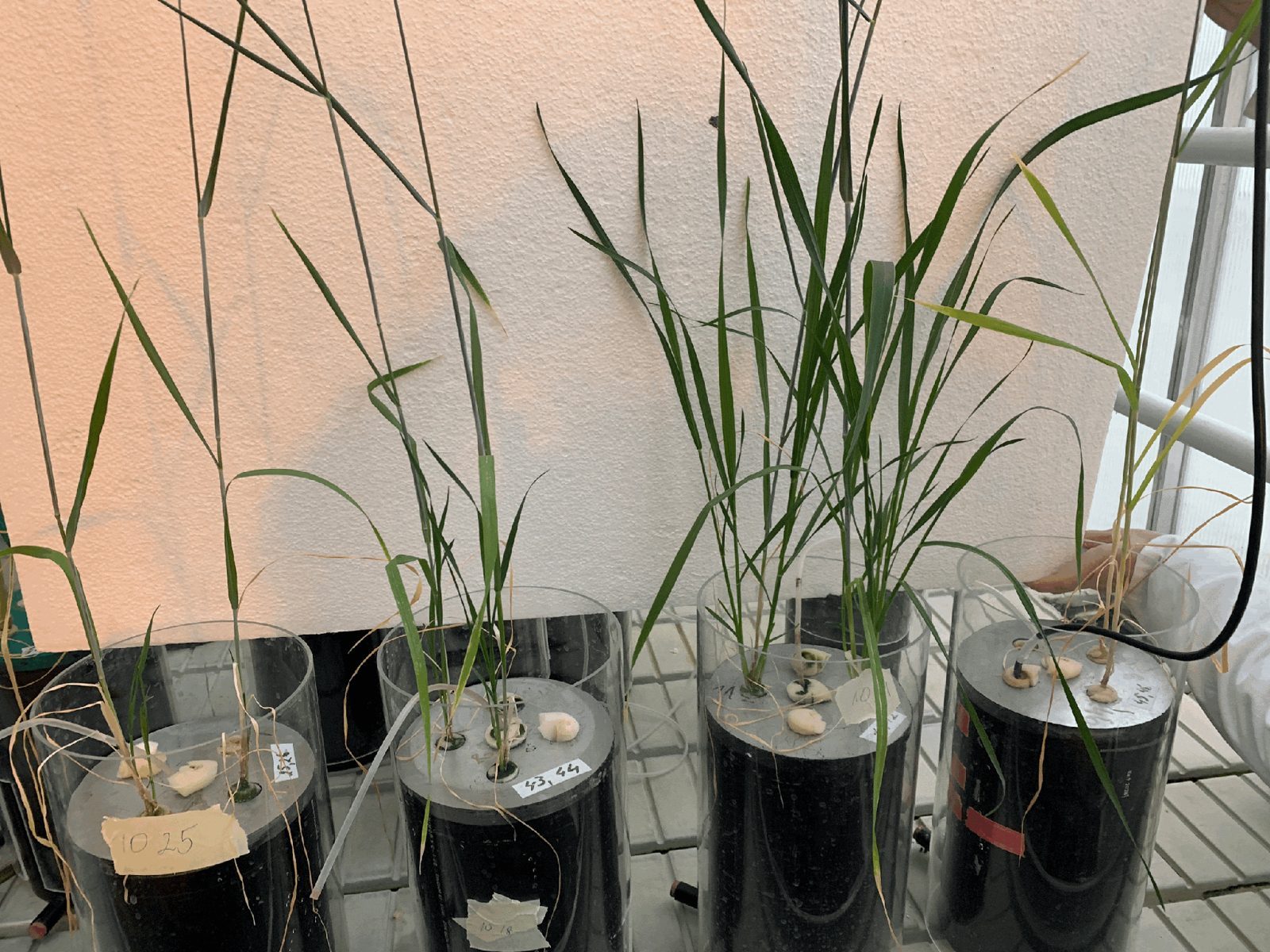
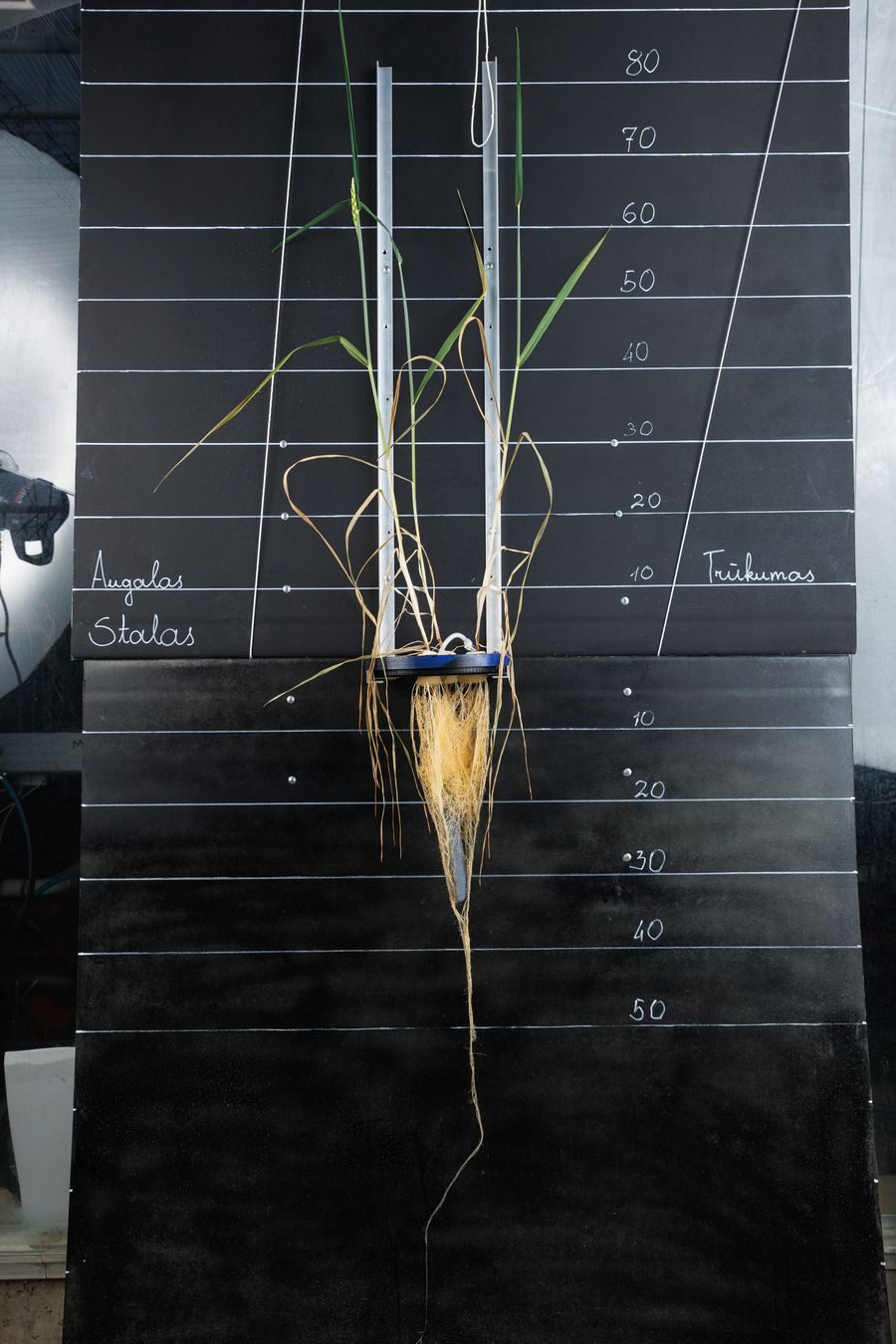
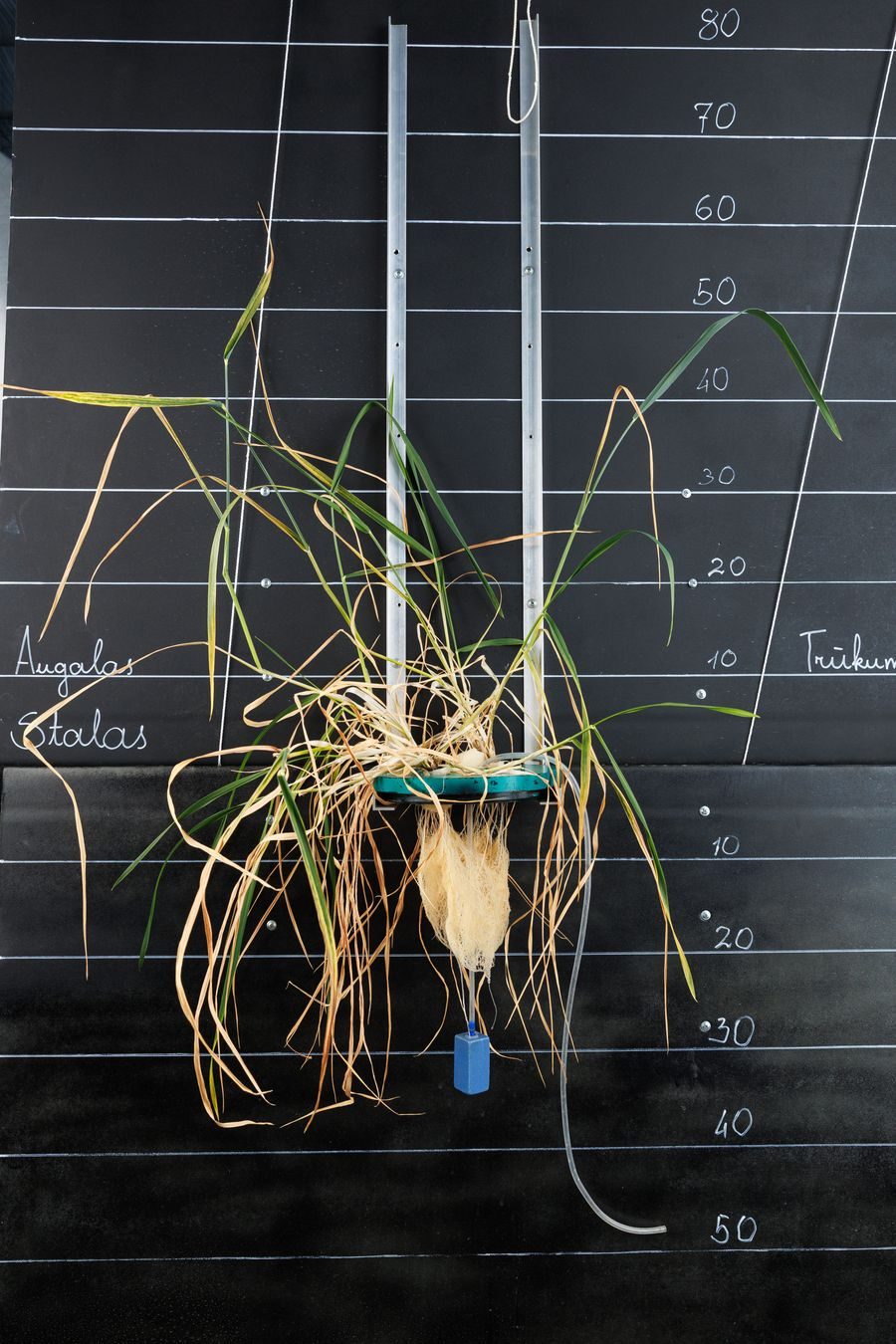
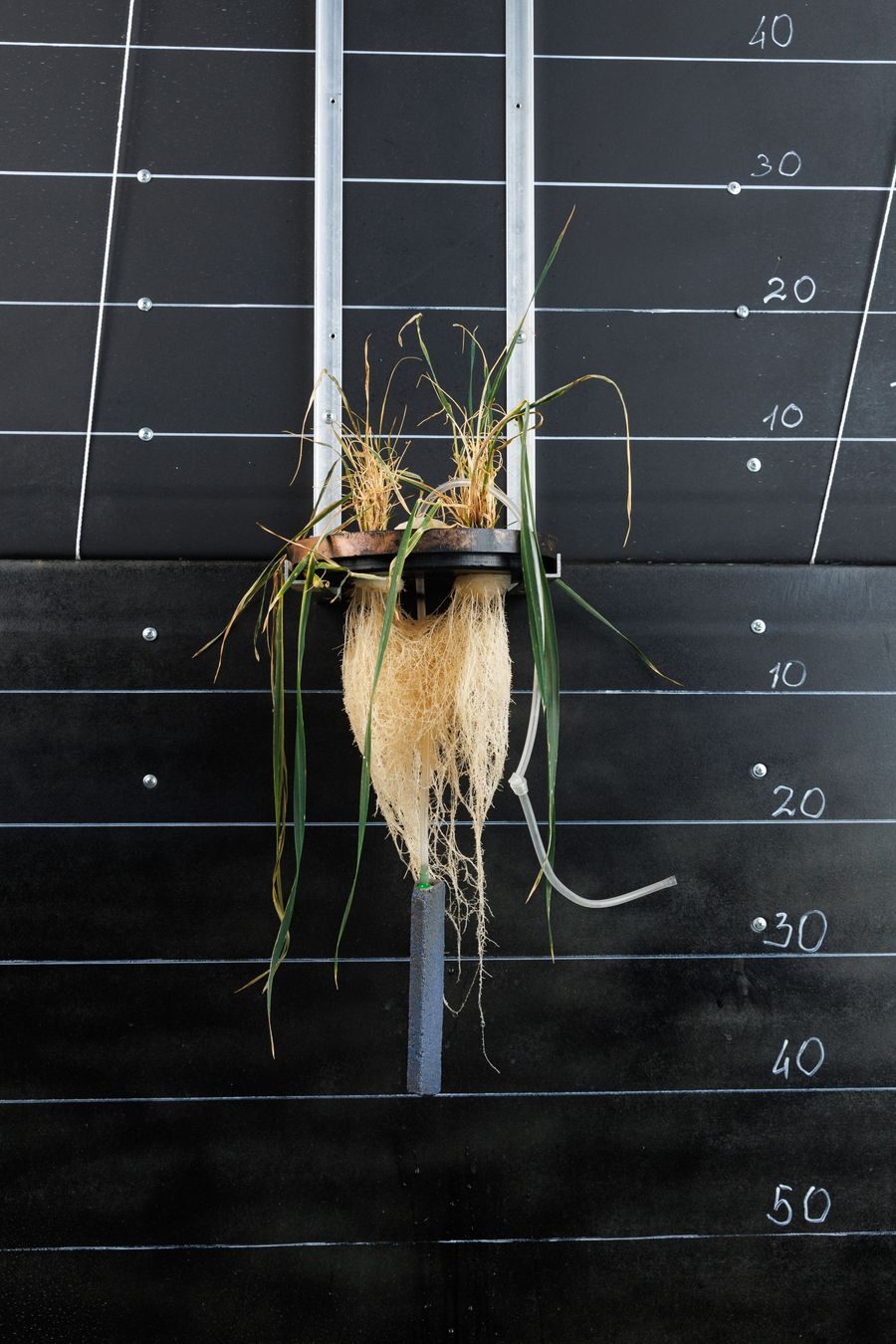
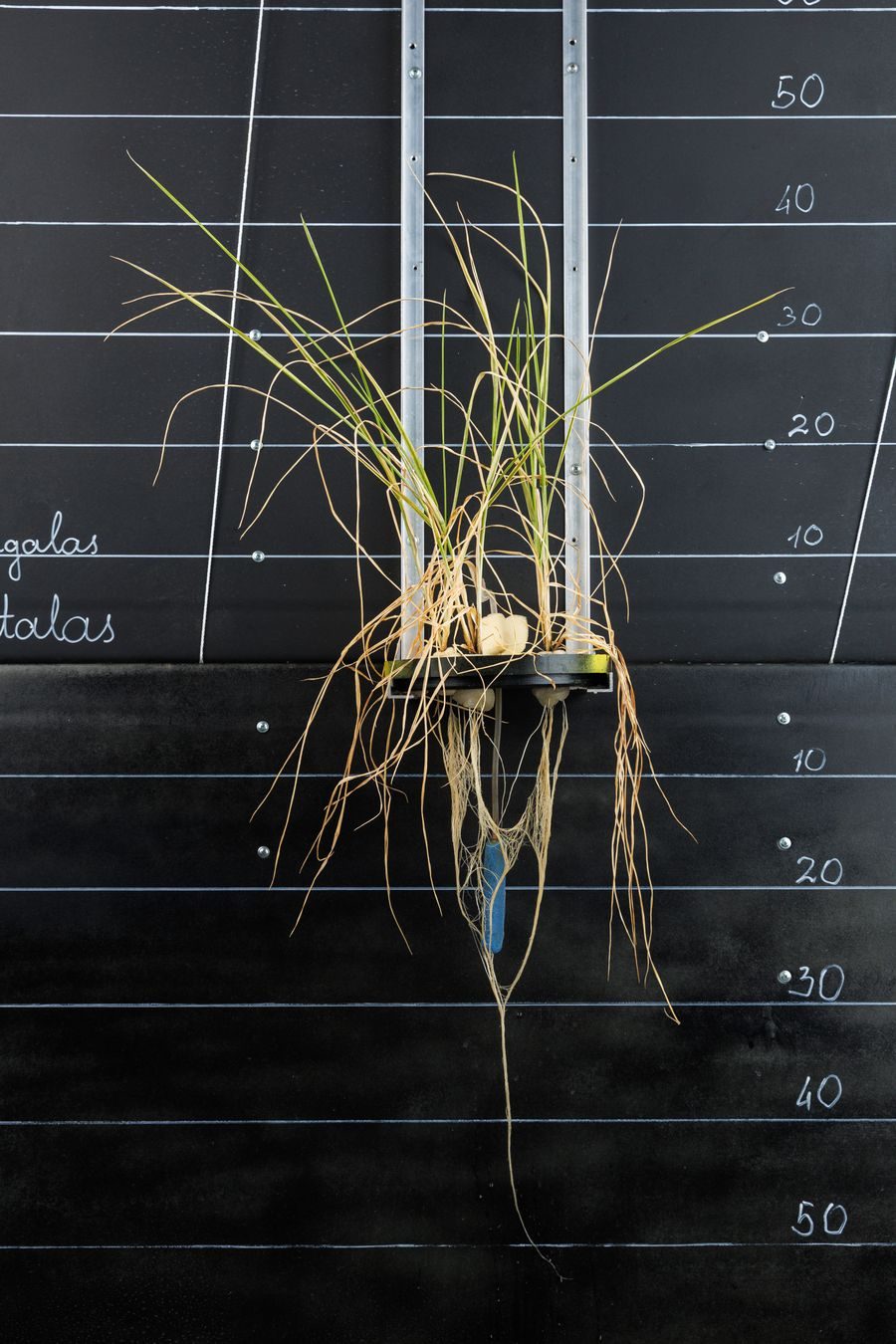
Wheat from the hydroponic trial in growing containers

How our study was done

Each wheat plant grew in its own container with a solution that lacked one nutrient. This lets us see exactly what happens to the plant when that particular nutrient is missing – and how long it can wait.
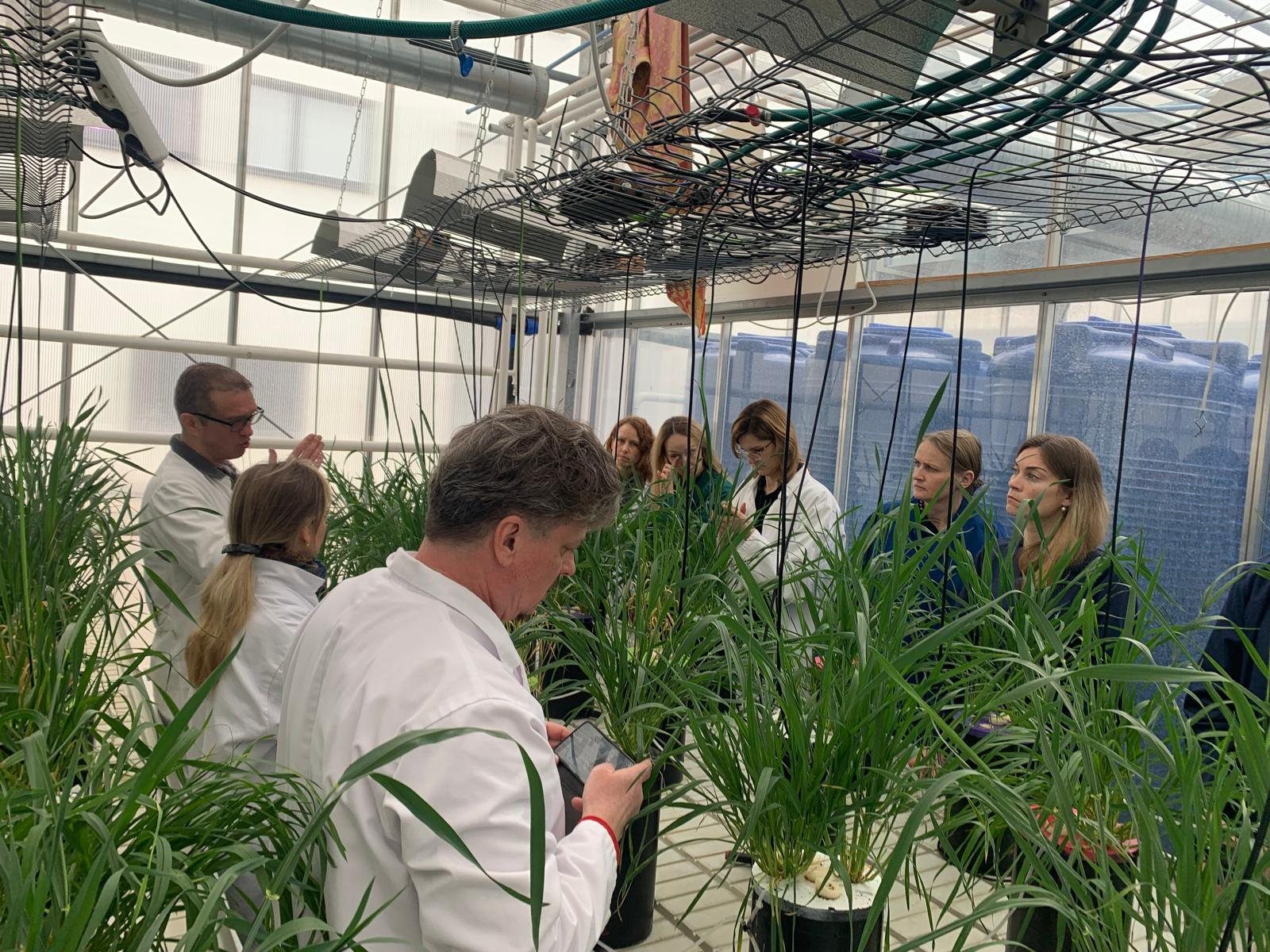
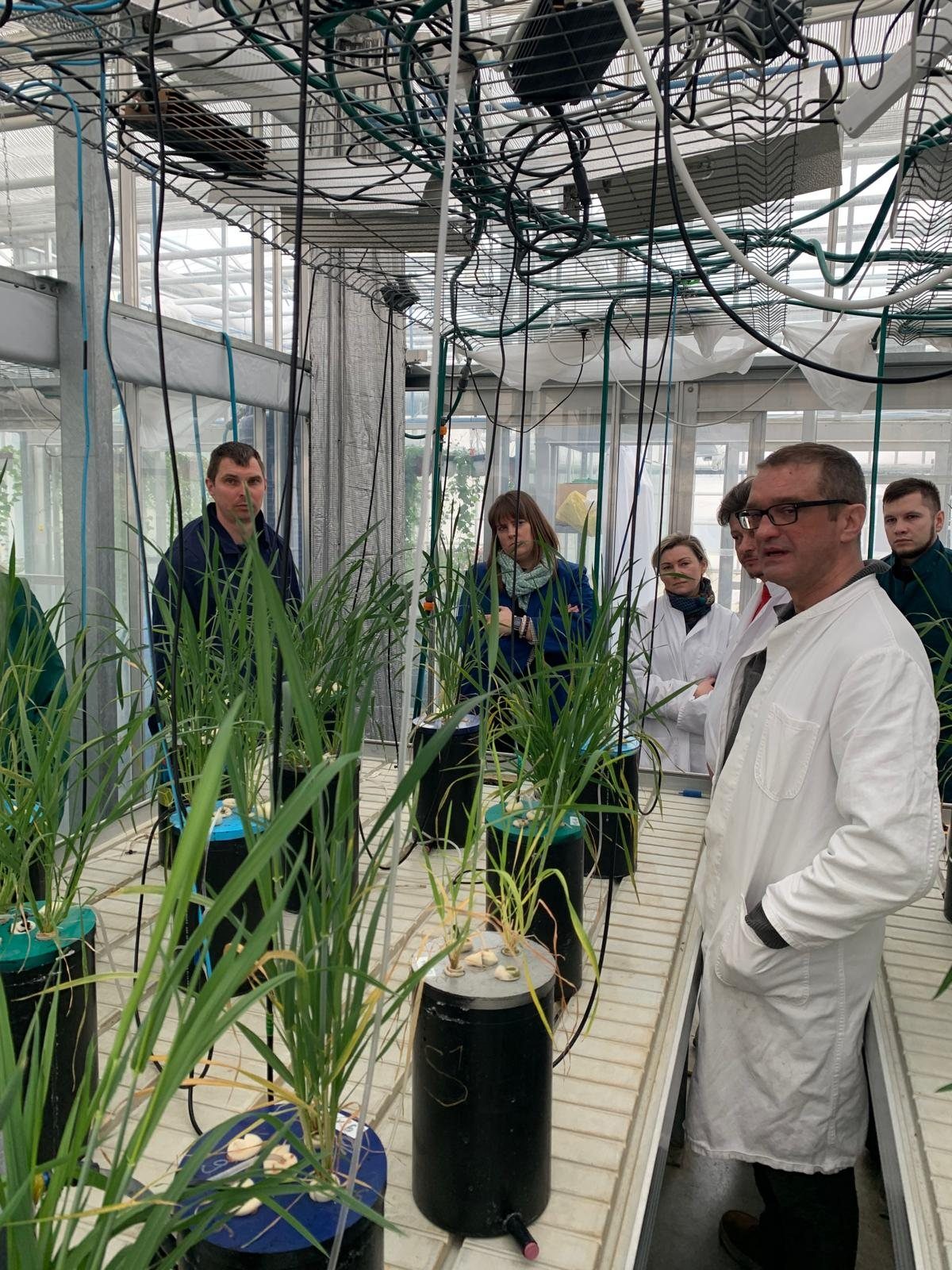
Researchers in the greenhouse among the hydroponic trial wheat
Hydroponic wheat trial in the greenhouse of the VMU Agriculture Academy
Researcher in a white coat next to the trial wheat containers
Plants are observed and measured throughout the deficiency period
Each container is a separate deficiency treatment
Assoc. Prof. Dr. Ernestas Zaleckas lifts a container lid with maize roots in the VMU greenhouse
Assoc. Prof. Dr. Ernestas Zaleckas – maize trial in the VMU greenhouse, 2026
Not just wheat

Maize trial 2026

In 2026, maize is grown on the same principle in the VMU greenhouse: each plant grows in its own container lacking one element. Calcium (Ca) deficiency is studied as well.

A deficiency is not always visible right away

Plant physiology can change before clear symptoms appear, and similar symptoms can be caused by different nutrients or other stresses. That is why a visual check helps you suspect a problem, but a reliable diagnosis often needs plant and soil analyses (de Bang et al., 2021; Lilay et al., 2024).

In our published, controlled hydroponic study, wheat was grown with individual macronutrients missing for different lengths of time. Nitrogen, phosphorus and calcium deficiency suppressed biomass accumulation the most. The effect of a shorter deficiency depended on the nutrient, while a long-term deficiency left a marked effect on some traits that did not recover later. This shows why fertiliser decisions depend not only on the rate, but also on how long the deficiency lasts and on the growth stage (Petrauskas et al., 2026).

This does not mean that every day of deficiency cuts yield by the same amount under all conditions. The effect depends on the nutrient, how severe the deficiency is, the growth stage, the variety, the soil and the weather. But a prolonged deficiency increases the risk that part of the lost growth or yield potential can no longer be recovered.

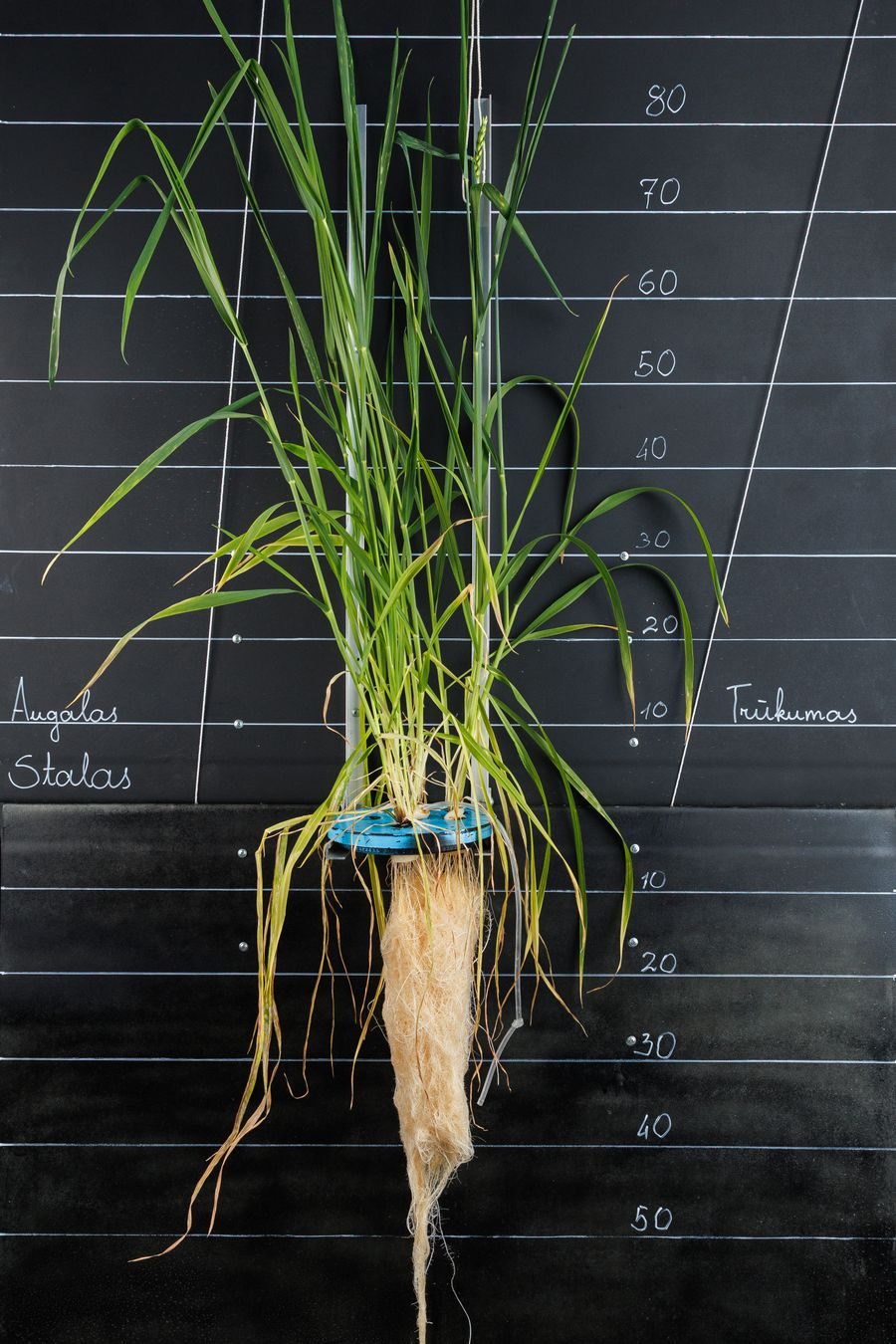
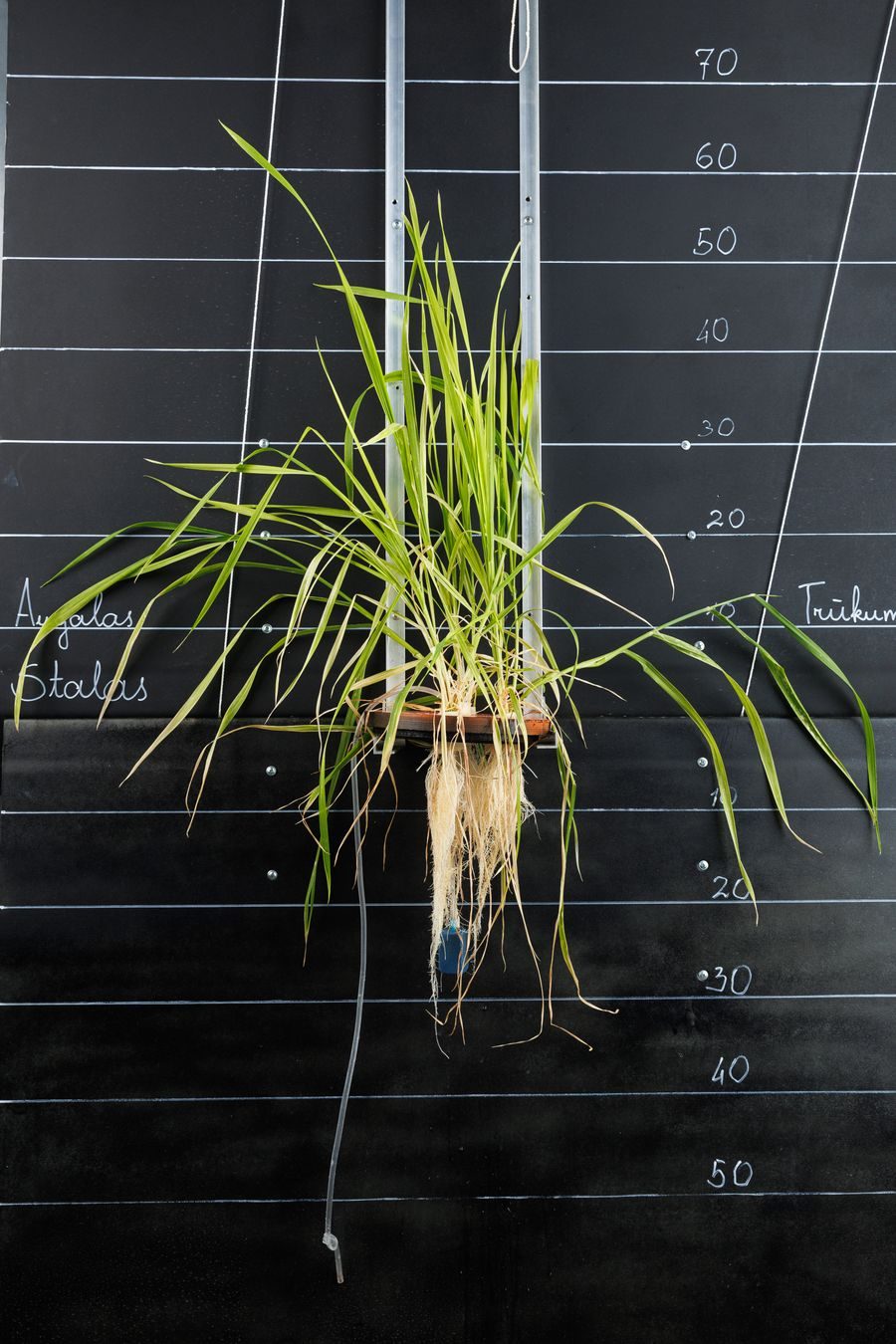
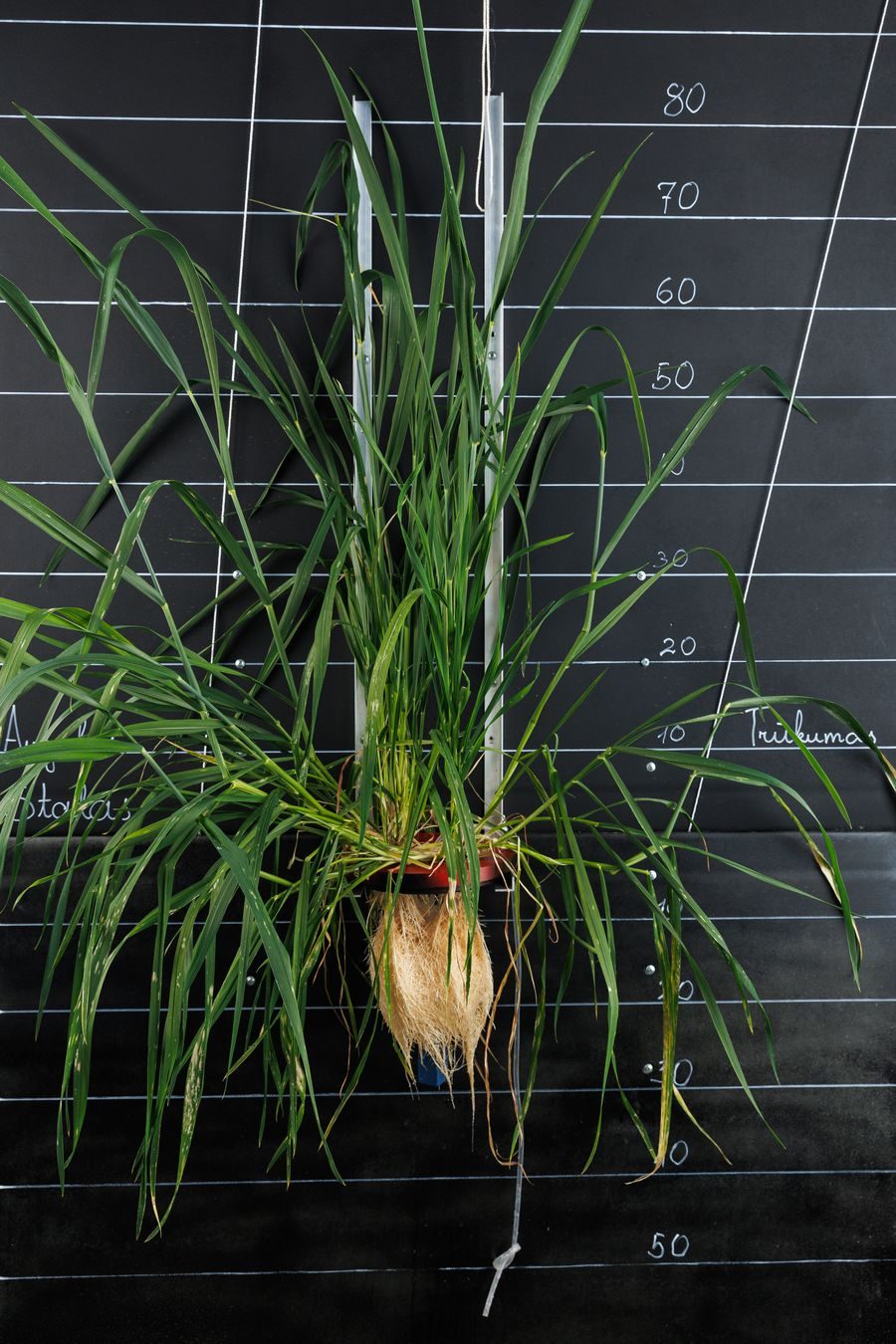
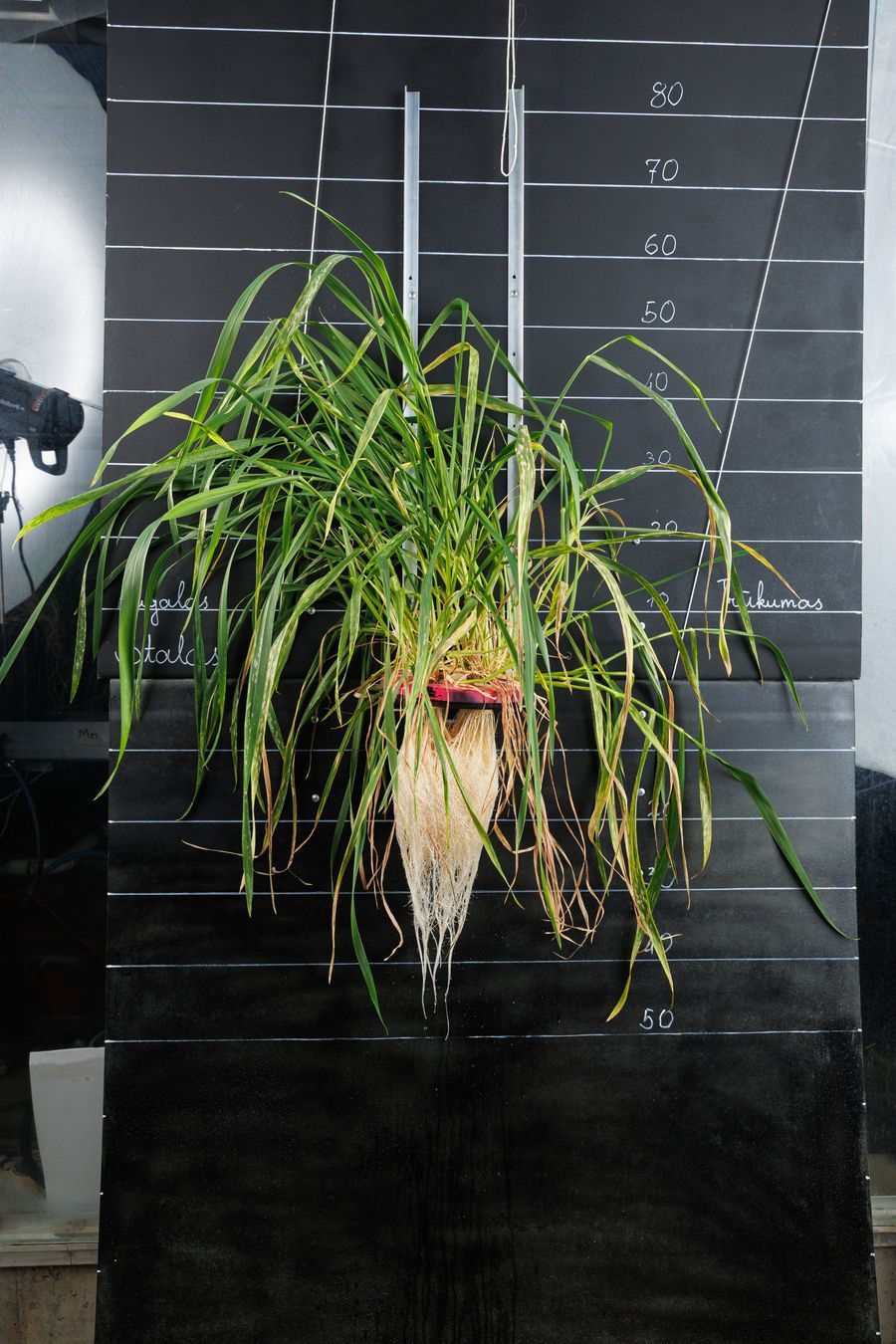
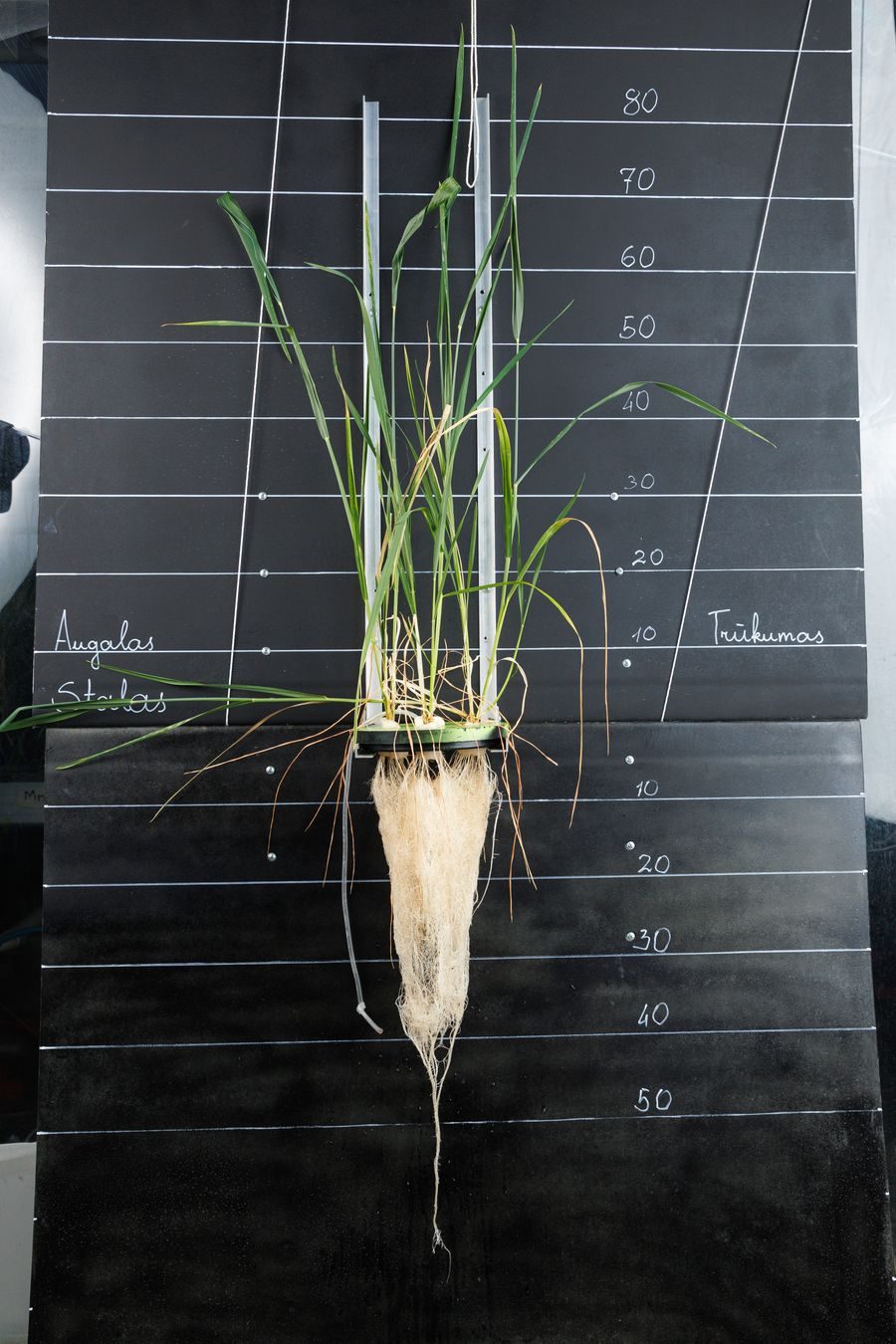
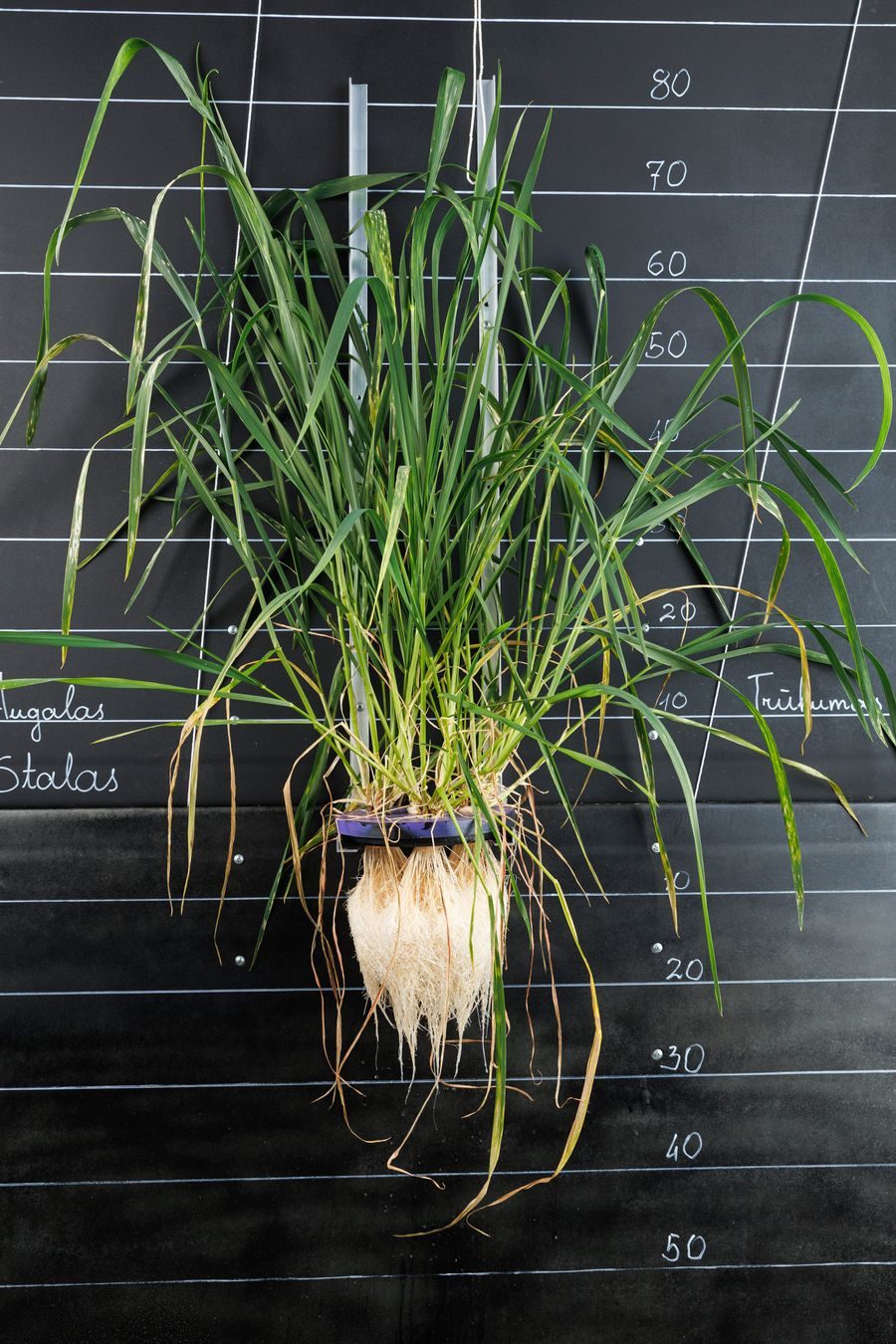
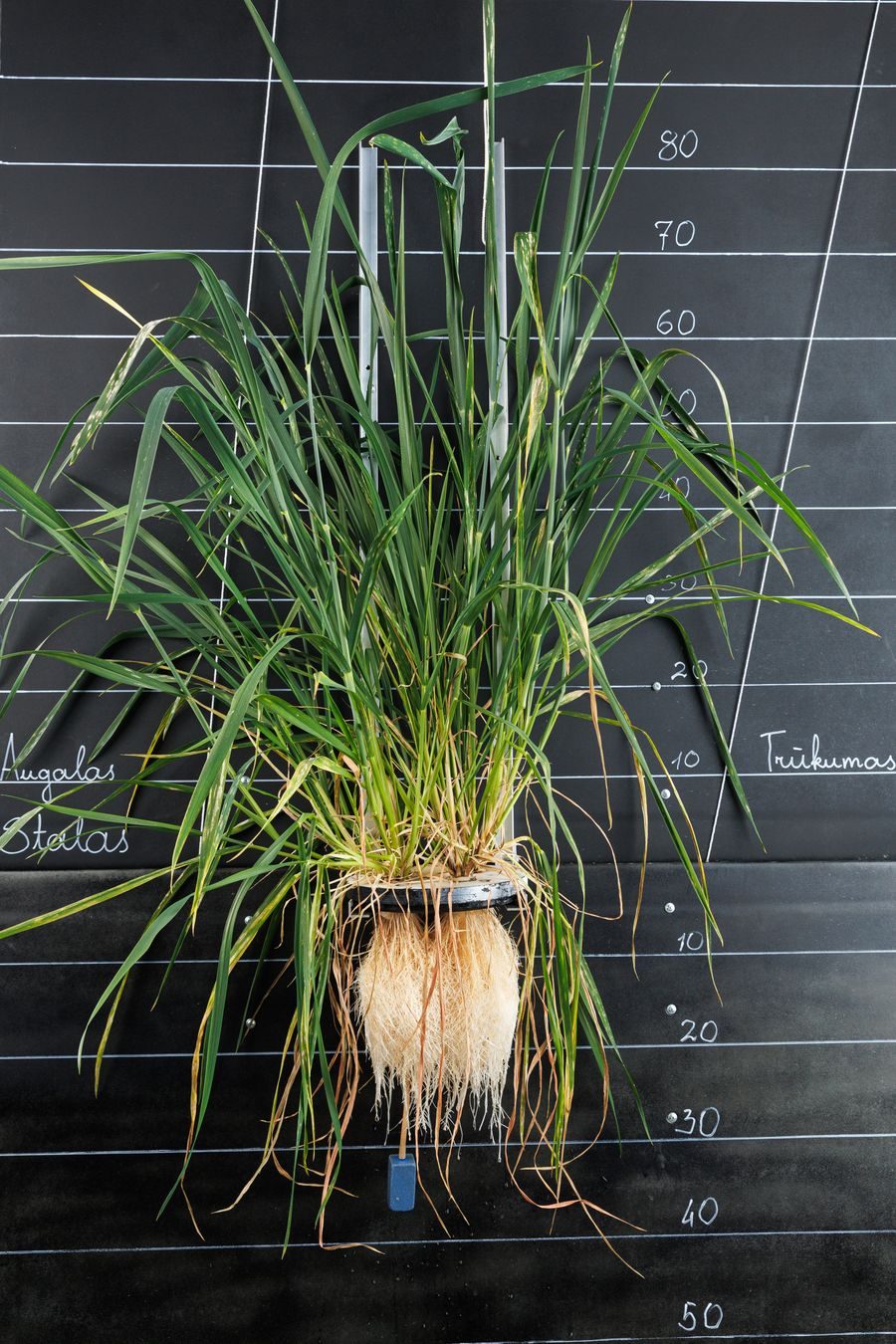
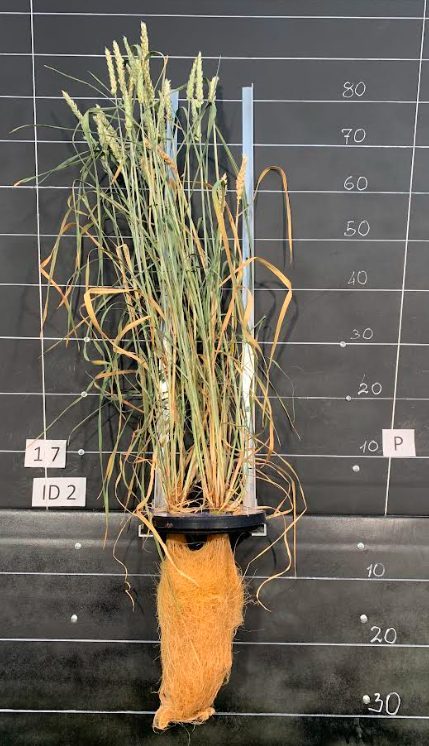
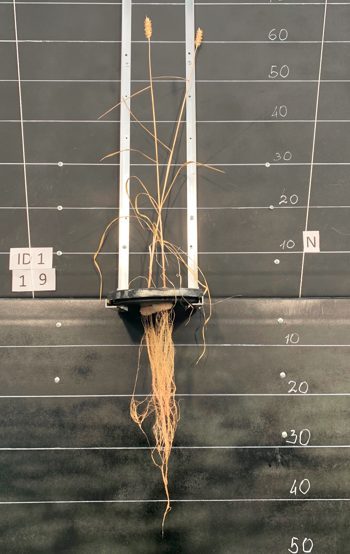
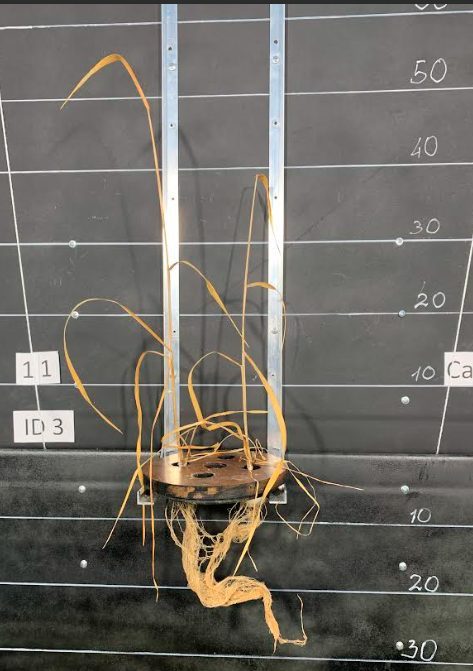
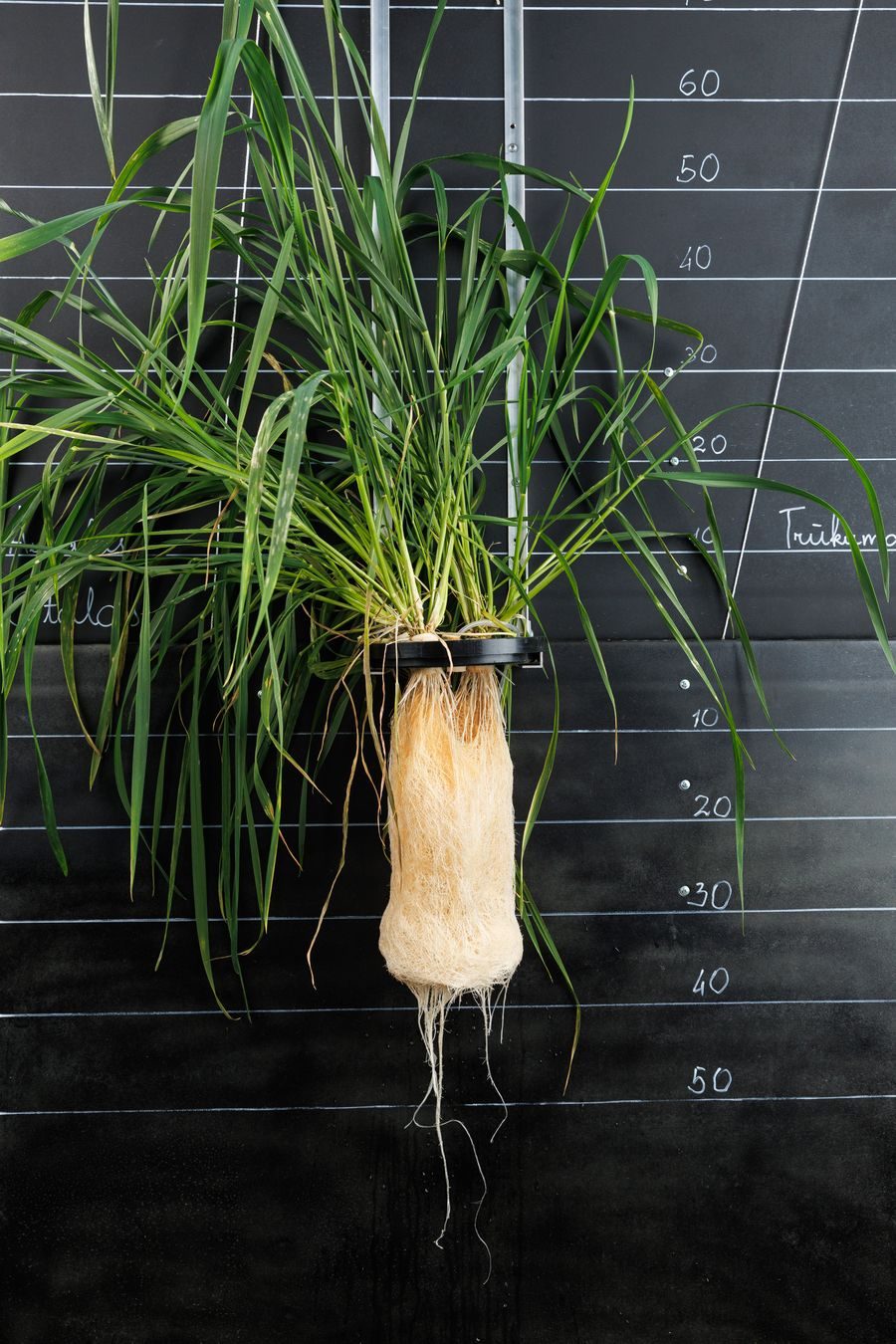
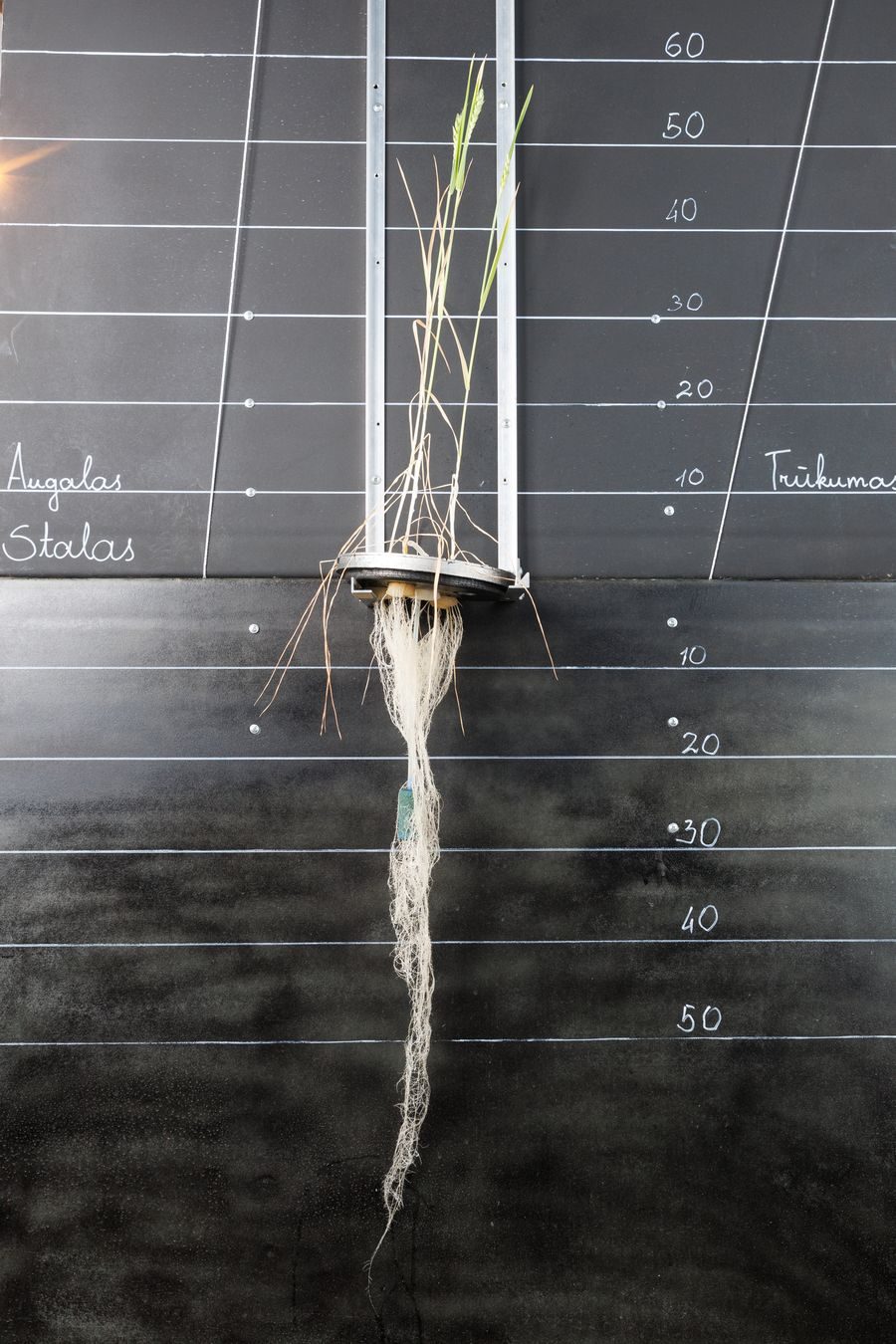
Wheat plant with roots in the trial Wheat plant with roots in the trial Wheat plant with roots in the trial Wheat plant with roots in the trial

Wheat from the hydroponic trial at the VMU Agriculture Academy.

Read the article in Plants (2026) →

Why do growth stages BBCH 30–37 deserve attention?

In our study, spring wheat was grown hydroponically. The deficiency of a single macronutrient started at BBCH 23 and lasted 21, 28 or 35 days; these periods corresponded roughly to stages BBCH 30, 32 and 37. The effect depended on the nutrient and the duration: for example, a 28-day potassium deficiency reduced the number of productive tillers, while biomass losses grew as nitrogen, phosphorus or calcium deficiency went on.

Important: these day counts should not be transferred directly to soil. In soil, a deficiency develops 3–5 times faster. In soil, plants often also face water shortage, while in hydroponics, where water is never short, the plant can stay longer in a protective state – it is more patient.

BBCH 23
Tillering. Start of deficiency (day 0)
BBCH 30
After 21 days
BBCH 31
First node – a reference point
BBCH 32
After 28 days
BBCH 37
After 35 days
BBCH 30–37 – the warning window in the controlled study

BBCH 31 – the first-node stage. This is an important reference point, because the plant moves into stem elongation, when the future yield structure is being formed. Our data allow us to treat BBCH 30–37 as a practically meaningful warning window, but not as a universal threshold for every field and every nutrient. The study was done in a controlled environment, so under field conditions a deficiency may develop differently.

What does this mean for your fertiliser plan?

If you suspect a nutrient deficiency, it is worth checking and assessing it as early as possible instead of waiting until the symptoms become obvious. BBCH 31 can be a reference point by which it is especially important to check whether the plant is getting the nutrients it needs. A nutrient applied later may improve the plant's further condition, but it will not necessarily bring back lost tillers, damaged growing points or grain primordia that never formed.

From field experience

In the field, time runs several times faster

In hydroponics the plant always has water, so nutrient starvation develops slowly. In soil, according to our agronomists' observations, a similar shortage develops within 5–10 days, and during drought within just 1–3 days. Three weeks of starvation in hydroponics may equal a week in the field, and only a few days in a dry spell.

Hydroponics (controlled study)~28 days
Soil (field experience)5–10 days
Drought (field experience)1–3 days

That is why in the field a few days' delay can already be too late: the plant switches on other processes and may then need different nutrients. A deficiency has to be measured, not waited for until you can see it.

Why can't the eye see a deficiency?

The human eye sees colour with only three types of cones, most sensitive to blue (~440 nm), green (~545 nm) and yellow-red (~565 nm) light, and it boils all light down to three signals (Webvision). It cannot see near-infrared light at all. A plant, meanwhile, absorbs and reflects a great many different wavelengths, and deficiency-related changes show up in its reflectance spectrum earlier than visible symptoms (Petrauskas et al., 2026).

That is why so-called “hidden hunger” can cut yield by 10–35% without any visible symptoms, and growth differences smaller than 20% are hard to spot by eye (GRDC, 2010). You look at the field – it looks great, you expect a good harvest, but in reality it could be bigger.

The field durations are based on observations by agronomists of UAB „Žemdirbių konsultacijos“; they are not a result of the hydroponic study.

A practitioner's conclusions

What to do when SmartAgrometer shows a deficiency

Not every deficiency is worth rescuing in the same way. Sometimes the right decision is to stop investing in a field and give those fertilisers to another, better field. Below are a practising agronomist's conclusions from our research and work in the field.

N
Can be rescued through the leaves

Plants take up nitrogen through the leaves quite efficiently. When nitrogen is short, 10–20 kg of nitrogen can be applied through the leaves.

P
Rescue only early

Only a few kilograms of phosphorus can be applied effectively through the leaves. Phosphorus demand peaks before the end of tillering and well before flowering. Such a sudden, large demand can only be met when the soil has phosphorus at class C or higher.

At early stages it is still worth trying to rescue it through the leaves. If the deficiency appears at the end of stem elongation or later, it no longer pays to invest in nitrogen fertiliser: the plant will wait for phosphorus, start shedding side tillers, the stand will thin out, and the sun will scorch the sparse crop.

A signal to ask: is this field really still worth investing in?

Ca
A signal to stop investing

Calcium deficiency is the worst case. If it shows up, the stand will gradually thin out, and the longer it lasts, the faster it thins.

If a calcium (or also phosphorus or nitrogen) deficiency shows up late, at flowering, not all the grain sites will be used, and the grains will not store enough starch and protein – they will be shrivelled and light.

The earlier calcium deficiency shows up, the stronger the case for giving those fertilisers, at a higher rate, to another good field.

The plant adapts – but calcium is a special case

Our earlier and latest research shows that wheat adapts quite well to a shortage of most macro- and micronutrients. Calcium is a special case. A deficiency is not destructive for the plant – it is adaptive and does not cause chaos.

The plant has a kind of “postal” system that quickly reports upcoming changes. Depending on the role of the missing nutrient, a protective mechanism switches on step by step.

0
Signal
The “postal” system reports the deficiency even before visible symptoms.
1
Internal reserves and waiting
The plant uses its internal reserves – for example, it takes nitrogen from chlorophyll. Some processes stop. When potassium is short, P, Ca, Mg, B, Cu, Fe, Mn, Mo and Zn start to build up in the roots: potassium carries all these nutrients, so the “truck” is missing, and the plant waits and stockpiles.
2
Strong physiological changes
If the deficiency drags on, the plant moves into the second protective stage.
Ca
A special case – calcium

Calcium holds cell walls and membranes together, keeps growing points going and helps cells “talk” to each other. Plants know how to take up calcium and regulate its supply. But if calcium is missing for long, growth is damaged so much that calcium supplied later can no longer fix everything.

In hydroponics we could study calcium deficiency on its own. In soil this is impossible, because there is no soil without calcium – which is why there are few publications on calcium. In our study, a longer calcium deficiency strongly suppressed growth, and after full nutrition was restored the plants recovered poorly: some growth and yield traits never recovered. Perhaps because during evolution plants hardly ever faced calcium deficiency and never learned to adapt to it.

The conclusion is simple: calcium deficiency must be spotted and dealt with in time. This is a result of a controlled study, so in different varieties and fields it may show up differently (Petrauskas et al., 2026).

Calcium is not just a liming material. Calcium is mobile in soil, so a calcium deficiency in the plant is possible even in a non-acidic field.

Conclusions of Ernestas Petrauskas, practising agronomist and VMU PhD candidate, from the research and field work of UAB „Žemdirbių konsultacijos“. Scientific basis: Petrauskas et al., 2026, Plants 15(7), 1094.

Trial photos

12 deficiencies. Could you tell them apart by eye?

The same winter wheat trial: each plant was missing one nutrient. Some differences are obvious, but most are almost invisible to the eye – especially in the field, where all plants look alike. SmartAgrometer shows the deficiency in numbers.

Winter wheat in the trial: received all nutrients
Control
received all nutrients
Winter wheat in the trial: lacked nitrogen
N
lacked nitrogen
Winter wheat in the trial: lacked phosphorus
P
lacked phosphorus
Winter wheat in the trial: lacked potassium
K
lacked potassium
Winter wheat in the trial: lacked calcium
Ca
lacked calcium
Winter wheat in the trial: lacked magnesium
Mg
lacked magnesium
Winter wheat in the trial: lacked sulphur
S
lacked sulphur
Winter wheat in the trial: lacked iron
Fe
lacked iron
Winter wheat in the trial: lacked manganese
Mn
lacked manganese
Winter wheat in the trial: lacked copper
Cu
lacked copper
Winter wheat in the trial: lacked zinc
Zn
lacked zinc
Winter wheat in the trial: lacked molybdenum
Mo
lacked molybdenum
Winter wheat in the trial: lacked boron
B
lacked boron
Hydroponic trial in the greenhouse of the VMU Agriculture Academy, December 2025 Everything about the nutrients ↓

12 nutrients

What each nutrient does for wheat, what its deficiency can look like, when it is most dangerous and whether it can be corrected later.

Important: symptoms are only indicative. They can be changed by variety, growing conditions, interactions between nutrients and other stresses. The “most dangerous time” in the cards summarises the nutrient's role and wheat growth stages; science has not set an equally precise field threshold for deficiency duration for every micronutrient.

Foliar feeding: how much actually gets into the plant

Macronutrients
N, P, K, Ca, Mg, S – needed in tens to hundreds of kg/ha

All of them can be applied through the leaves, but the amounts that effectively get into the plant differ and are relatively small. So foliar macronutrients can top up or rescue a deficiency, but the basis has to go into the soil.

Micronutrients
Fe, Mn, Cu, Zn, Mo, B – needed in grams to hundreds of grams/ha

Their requirement can be met almost entirely through the leaves, and problems with them can usually be solved completely. It just has to be done properly and at the right time.

Some nutrients appear in the leaf within a few hours, but getting into the leaf and moving on to other organs are two different things. There is no single efficient process that fits all: it all depends on the nutrient, the fertiliser form, the growth stage and the weather. That is exactly why it matters to know precisely what is missing.

The scientific literature stresses that nutrients needed in large amounts are best applied to the soil, while foliar feeding is an economical and effective way to supplement it – but success requires a correct diagnosis of the deficiency (Fageria et al., 2009). That is exactly what SmartAgrometer is for. In each card you will find a study on foliar feeding of that nutrient.

What does a deficiency cost on your farm?

Enter your own figures. In each card, the yield difference found in the studies will be converted into euros (yield × percentage × price). That is how much you lose when a nutrient is missing and you cannot see it – and how much you can earn when you measure and apply what is missing. For comparison: the first year of SmartAgrometer costs €2,200.

The figures are results of specific trials, not a guarantee for every field: where an element is sufficient, there is no gain. In a five-year Lithuanian spring wheat trial, foliar micronutrients and nitrogen did not increase yield every year (Žemdirbystė-Agriculture). That is why it pays to fertilise only with what is really missing – and for that you need to measure. This is a scenario, not a forecast: a deficiency rarely covers the whole field, so the farm total is calculated only for the affected share of the area, and the cost of extra fertilising is not included.
N

Nitrogen

Macronutrient · studied in our trial
What it does
Nitrogen is the basis of proteins, chlorophyll and enzymes. Leaf area, the number of tillers and grains, and protein content all depend on it. When nitrogen is short, photosynthesis drops and the plant builds up less biomass.
What a deficiency can cost
39–50 %
Trials closest to Lithuania
Lithuanian and Latvian wheat trials without nitrogen
36 %
Average of 8 studies · used in the calculator
up to 80%
Strong, confirmed deficiency
unfertilised wheat in Germany: 2 t/ha instead of 11 t/ha
Nitrogen drives yield more than anything else. In Lithuanian and Latvian trials without nitrogen, wheat yield was 39–50% lower, and in southern Germany unfertilised wheat gave only 2.0–2.3 t/ha instead of 10.7–11.4 t/ha. In a Lithuanian barley model, nitrogen deficiency alone caused up to 54% yield loss. After legumes or perennial grasses the difference can be as small as 7–9%.
€ In the affected area: about 504 €/ha · about 100,800 € for 200 ha
With severe deficiency – up to 1,120 €/ha
P

Phosphorus

Macronutrient · studied in our trial
What it does
Phosphorus is the plant's energy: it is involved in energy metabolism, root growth, membranes and genetic material. It matters for rooting, tillering and ear development.
What a deficiency can cost
7–8 %
Trials closest to Lithuania
Germany's Dikopshof trial, 1906–2018
12 %
Average of 9 studies · used in the calculator
up to 23%
Strong, confirmed deficiency
phosphorus-poor or sandy soils
The effect of phosphorus depends mostly on soil reserves. In Germany's century-old Dikopshof trial, wheat yield without phosphorus was 7–8% lower; on poor Finnish soils, up to 19%. Where the soil is rich in phosphorus, there is almost no difference – so there is no single figure for all fields.
€ In the affected area: about 168 €/ha · about 33,600 € for 200 ha
With severe deficiency – up to 322 €/ha
K

Potassium

Macronutrient · studied in our trial
What it does
Potassium controls water balance, stomata, enzymes and sugar transport. It keeps up cell “pressure”, helps the plant withstand drought and strengthens the stem.
What a deficiency can cost
11–15 %
Trials closest to Lithuania
Lithuanian trials (Skėmiai, barley)
13 %
Average of 7 studies · used in the calculator
up to 24%
Strong, confirmed deficiency
potassium-deficient soils, global meta-analysis
In Lithuanian trials without potassium, yield was 11–15% lower. A 2026 global meta-analysis shows that potassium raises wheat yield by 24% on average and barley by 16.5%, but these are mostly potassium-deficient soils. Where there is enough potassium, there may be no extra yield.
€ In the affected area: about 182 €/ha · about 36,400 € for 200 ha
With severe deficiency – up to 336 €/ha
Ca

Calcium

Macronutrient · studied in our trial
What it does
Calcium holds cell walls and membranes together and is needed for cell division and growth signals. It hardly moves from old tissues to new ones, so it is especially important for growing leaves and roots.
What a deficiency can cost
none
Trials closest to Lithuania
no field trials with calcium alone were found in Lithuania
14 %
Average of 3 studies – indicative · used in the calculator
11–20 %
Strong, confirmed deficiency
calcium and gypsum trials elsewhere – a reference only
There are almost no field trials on calcium deficiency alone: there is no soil without calcium, and in liming trials pH and aluminium toxicity change at the same time. Calcium and gypsum trials elsewhere show an 11–20% difference, but this is only a reference. In our study, calcium deficiency was one of the hardest to correct – if a measurement shows it, it is a serious signal.
€ In the affected area: about 196 €/ha · about 39,200 € for 200 ha
With severe deficiency – up to 280 €/ha
Mg

Magnesium

Macronutrient · studied in our trial
What it does
Magnesium is the heart of chlorophyll: without it there is no photosynthesis. It is needed for enzymes and for moving sugars into the grain.
What a deficiency can cost
4–9 %
Trials closest to Lithuania
Polish winter wheat: +0.5–0.9 t/ha
9 %
Average of 5 studies · used in the calculator
up to 17%
Strong, confirmed deficiency
magnesium-deficient soils
A meta-analysis of 99 field studies and 570 comparisons shows an average 8.5% higher yield after magnesium fertilisation. In Polish winter wheat trials, magnesium raised yield by 0.5–0.9 t/ha. How much you lose depends on soil Mg, pH and the K and Ca ratio.
€ In the affected area: about 126 €/ha · about 25,200 € for 200 ha
With severe deficiency – up to 238 €/ha
S

Sulphur

Macronutrient · studied in our trial
What it does
Sulphur is needed for amino acids, proteins, enzymes and nitrogen metabolism. Nitrogen and sulphur work as a pair: when sulphur is short, the plant uses nitrogen less well, even if there is nitrogen in the soil.
What a deficiency can cost
19–23 %
Trials closest to Lithuania
Estonian winter wheat trials
10 %
Average of 6 studies · used in the calculator
up to 33%
Strong, confirmed deficiency
Estonian calcareous soils, unfavourable years
In Estonian winter wheat trials, sulphur raised yield by 22–23% on average, and in some years on calcareous soils the deficiency cost a third of the yield. A global meta-analysis of 55 studies shows a more modest average – about 4%. Where there is enough sulphur, there is no extra yield.
€ In the affected area: about 140 €/ha · about 28,000 € for 200 ha
With severe deficiency – up to 462 €/ha
Fe

Iron

Micronutrient
What it does
Iron is involved in electron transport, chlorophyll formation and photosynthesis. Little is needed, but a shortage seriously disrupts leaf function.
What a deficiency can cost
≈4 %
Trials closest to Lithuania
Polish spring barley trial
14 %
Average of 10 studies – indicative · used in the calculator
up to 20%
Strong, confirmed deficiency
iron chlorosis on calcareous, high-pH soils
Iron deficiency is most dangerous on calcareous, high-pH soils – there chlorosis can cost up to 20% of yield. A meta-analysis of 107 publications shows an average 12% gain, but in Kansas trials iron helped in only 4 fields out of 7. In a Polish barley trial the gain was about 4%. Severe iron deficiency is rare in Lithuanian soils.
€ In the affected area: about 196 €/ha · about 39,200 € for 200 ha
With severe deficiency – up to 280 €/ha
Mn

Manganese

Micronutrient
What it does
Manganese is needed for photosynthesis, enzymes and protection against oxidative stress. It also matters for pollen viability and grain formation.
What a deficiency can cost
6–10 %
Trials closest to Lithuania
Polish spring barley trials
13 %
Average of 10 studies · used in the calculator
up to 36%
Strong, confirmed deficiency
Swedish winter barley; up to 33% more plants survived the winter
In Swedish winter barley trials, manganese raised yield by up to 36%, and up to 33% more plants survived the winter. In Polish barley trials the gain reached 6–10%, but in another Polish wheat trial there was no clear effect. Varieties differ a lot: in a manganese-deficient field, the yield of 24 wheat varieties was 6–25% lower.
€ In the affected area: about 182 €/ha · about 36,400 € for 200 ha
With severe deficiency – up to 504 €/ha
Cu

Copper

Micronutrient
What it does
Copper is involved in enzyme activity, photosynthesis, respiration, the formation of lignin (stem strength) and reproduction. A shortage harms pollen and ear fertility.
What a deficiency can cost
5–9 %
Trials closest to Lithuania
Polish winter wheat, 3 varieties out of 5
7 %
Average of 10 studies · used in the calculator
up to 22%
Strong, confirmed deficiency
Canadian copper-deficient soils
In Polish winter wheat trials, copper raised yield by 5–9% in three of five varieties. A summary of 115 Canadian field trials is clear: when soil copper was below 0.4 mg/kg, yield responded in 87% of trials; at 0.4–0.8 mg/kg in 16%; and above 0.8 mg/kg in none. Copper shortage disrupts pollen, so fewer grains set in the ear, even though the plant looks lush.
€ In the affected area: about 98 €/ha · about 19,600 € for 200 ha
With severe deficiency – up to 308 €/ha
Zn

Zinc

Micronutrient
What it does
Zinc is needed for many enzymes, protein synthesis, growth regulation and normal development of roots and shoots.
What a deficiency can cost
≈10 %
Trials closest to Lithuania
Poland: 74 spring wheat trials, response in 34
5 %
Average of 10 studies · used in the calculator
10–30 %
Strong, confirmed deficiency
confirmed zinc deficiency
In 74 spring wheat field trials in Poland, zinc raised yield in 34 – by about 10% on average. When a deficiency is confirmed, cereal yield usually drops by 10–30% and barley by 16–29%, and drought makes the effect stronger. Where there is enough zinc, there is no extra yield.
€ In the affected area: about 70 €/ha · about 14,000 € for 200 ha
With severe deficiency – up to 420 €/ha
Mo

Molybdenum

Micronutrient
What it does
Molybdenum is needed for the enzymes that turn nitrate into nitrogen the plant can use. That is why its shortage looks like nitrogen deficiency.
What a deficiency can cost
≈6 %
Trials closest to Lithuania
Belarusian pea trial
15 %
Average of 10 studies · used in the calculator
15–59 %
Strong, confirmed deficiency
wheat on very acidic Australian soils
Molybdenum shortage is rare in cereals – legumes and brassicas are more sensitive. On very acidic Australian soils, the wheat yield response reached 15–59%, in a Belarusian pea trial about 6%, and in a recent Polish wheat trial no separate molybdenum gain was found. The risk is highest on acidic soils.
€ In the affected area: about 210 €/ha · about 42,000 € for 200 ha
With severe deficiency – up to 826 €/ha
B

Boron

Micronutrient
What it does
Boron matters for cell walls and growing tissues. In wheat it is especially important for pollen: when boron is short, pollen develops poorly and grains set badly.
What a deficiency can cost
9–15 %
Trials closest to Lithuania
Polish winter wheat, 4 varieties out of 10
12 %
Average of 10 studies · used in the calculator
15–50 %
Strong, confirmed deficiency
confirmed severe boron deficiency
In Polish winter wheat trials, boron raised yield by 9–15% in four of ten varieties; the others did not respond. In Belarusian oilseed rape and sunflower trials the gain reached 10–23%. With severe deficiency, wheat yield fell by 15–50% – the ear forms, but part of the grains do not set.
€ In the affected area: about 168 €/ha · about 33,600 € for 200 ha
With severe deficiency – up to 700 €/ha

Key scientific references

  1. Petrauskas, E. et al. (2026). Effects of Macronutrient Deprivation on Spring Wheat Productivity. Plants, 15(7), 1094. doi:10.3390/plants15071094
  2. de Bang, T. C. et al. (2021). The molecular–physiological functions of mineral macronutrients and their consequences for deficiency symptoms in plants. New Phytologist, 229, 2446–2469. doi:10.1111/nph.17074
  3. Lilay, G. H. et al. (2024). Linking the key physiological functions of essential micronutrients to their deficiency symptoms in plants. New Phytologist. doi:10.1111/nph.19645
  4. Rerkasem, B. et al. (2000). Effects of Boron Deficiency on Anther Development and Floret Fertility in Wheat. Annals of Botany, 85(4), 493–500. Link
  5. Response of wheat, pea, and canola to micronutrient fertilization on five contrasting prairie soils (2020). Scientific Reports. PMC7606479
  6. Fageria, N. K. et al. (2009). Foliar fertilization of crop plants. Journal of Plant Nutrition, 32(4), 1044–1064. Link
  7. Zou, C. Q. et al. (2012). Biofortification of wheat with zinc through zinc fertilization in seven countries. Plant and Soil, 361, 119–130. doi:10.1007/s11104-012-1369-2
  8. Dhaliwal, S. S. et al. (2023). Minerals and chelated-based manganese fertilization influences the productivity, uptake, and mobilization of manganese in wheat. Frontiers in Plant Science, 14, 1163528. doi:10.3389/fpls.2023.1163528
  9. Brennan, R. F. (1990). Effectiveness of some copper compounds applied as foliar sprays in alleviating copper deficiency of wheat. Australian Journal of Experimental Agriculture, 30(5), 687–691. doi:10.1071/EA9900687
  10. Korzeniowska, J. (2008). Response of ten winter wheat cultivars to boron foliar application. Agronomy Science, 63(4). Link
  11. Razmjoo, J., Ghafari, H. (2015). Response of durum wheat to foliar application of varied sources and rates of iron fertilizers. Journal of Agricultural Science and Technology, 17(2), 321–331. Link
  12. Zoz, T. et al. (2012). Foliar fertilization with molybdenum in wheat. Semina: Ciências Agrárias, 33(2), 633–638. doi:10.5433/1679-0359.2012v33n2p633
  13. Asfaw, A. G. et al. (2025). Yield-limiting nutrients for wheat production in Farta to Lay Gayint districts of the Amhara Region in Northwest Ethiopia. Frontiers in Agronomy, 7, 1541332. doi:10.3389/fagro.2025.1541332
  14. Wassie et al. (2015). A study of wheat leaf nutrient concentrations and soil fertility. Springer Nature.
  15. Jones et al. (2003). Phosphorus concentration thresholds for spring wheat. Journal of Plant Nutrition (Taylor & Francis).
  16. Shi et al. (2019); Ma et al. (2010). Effect of phosphorus on wheat ear and grain development.
  17. Gülüt et al. (2021). A study of wheat N and S nutrition and the tissue N:S ratio.
  18. Zhao et al. (2018). The link between sulphur and nitrogen nutrition in wheat.
  19. Zhou et al. (2024). Meta-analysis of wheat iron fertilisation and yield response. ScienceDirect.
  20. Nayyar et al. (1986, 1990); Sharma et al. (1996); Graham et al. (1985). Studies on manganese diagnosis and field correction in wheat.
  21. Rashid, A. et al. (2005). Zinc fertilisation trials in zinc-deficient wheat fields.
  22. Arlauskienė, A., Cesevičienė, J., Šlepetienė, A. (2020). Žemdirbystė-Agriculture, 107(3). Joniškėlis, Lithuania.
  23. Staugaitis, G., Poškus, K., Brazienė, Z., Paltanavičius, V. (2021). Žemdirbystė-Agriculture, 108(3). Rumokai, Lithuania.
  24. Mažvila, J. et al. (2007). Dependence of crop yield and quality on long-term nitrogen, phosphorus and potassium fertilisation on sandy loam (in Lithuanian). Žemdirbystė, 94(3), 3–17.
  25. Litke, L., Gaile, Z., Ruža, A. (2017). Research for Rural Development; (2019). Agronomy Research, 17(2). Latvia.
  26. Hlisnikovský, L. et al. (2023). Plants, 12(6), 1392; (2024). Plants, 13(6), 802. doi.org/10.3390/plants13060802
  27. Leonte, A. et al. (2026). Yield and Grain Quality Response of Winter Wheat to Different Nitrogen and Phosphorus Fertilization Doses. Nitrogen, 7(3), 97.
  28. Janušauskaitė, D., Lazauskas, S. (2007). Žemdirbystė, 94(3), 33–46. Dotnuva, Lithuania.
  29. Saarela, I. et al. (2006). Effects of repeated phosphorus fertilisation on field crops in Finland 1–2. Agricultural and Food Science, 15.
  30. Valkama, E., Uusitalo, R., Turtola, E. (2011). Yield response models to phosphorus application: a research synthesis of Finnish field trials. Nutrient Cycling in Agroecosystems. doi.org/10.1007/s10705-011-9434-4
  31. von Tucher, S., Hörndl, D., Schmidhalter, U. (2018). Ambio, 47, 41–49. doi.org/10.1007/s13280-017-0970-2
  32. Márton, L. (2008). Cereal Research Communications, 36(3), 511–522. Hungary.
  33. Sun, Z. et al. (2024). Effects of Nutrient Deficiency on Crop Yield and Soil Nutrients under Winter Wheat–Summer Maize Rotation. Agronomy, 14, 2690.
  34. Arbačauskas, J. et al. (2023). The Influence of Mineral NPK Fertiliser Rates on Potassium Dynamics in Soil. Plants, 12(21), 3700. Skėmiai, Lithuania. doi.org/10.3390/plants12213700
  35. Mikšytė, E. (2009). Effect of potassium fertiliser forms, rates and their combinations with EPSO Microtop on barley yield. Master's thesis, LŽŪU (in Lithuanian).
  36. Andrzejewska, A., Przygocka-Cyna, K., Grzebisz, W. (2025). Balanced Fertilization of Winter Wheat with Potassium and Magnesium. Sustainability, 17(15), 6705. Poland.
  37. He, B. et al. (2022). Effect of Different Long-Term Potassium Dosages on Crop Yield and Potassium Use Efficiency in the Maize–Wheat Rotation System. Agronomy, 12(10), 2565.
  38. Liang, G., Schlesinger, W. H. (2026). Potassium fertilization enhances both cereal yield and soil organic carbon: a meta-analysis. Nature Communications, 17, 4521.
  39. Engel, R. E. Spring Wheat Response to Potassium and Chloride. Fertilizer Facts 18, Montana State University.
  40. Abbas, F. et al. (2023). Role of Gypsum in Conserving Soil Moisture, Macronutrients Uptake and Improving Wheat Yield in the Rainfed Area. Water, 15(6), 1011. doi.org/10.3390/w15061011
  41. Michalovicz, L. et al. (2014). Soil fertility, nutrition and yield of maize and barley with gypsum application on soil surface in no-till. Revista Brasileira de Ciência do Solo, 38(5).
  42. Roy Chowdhury, A. et al. (2019). Efficacy of calcium chloride and arginine foliar spray in alleviating terminal heat stress in late-sown wheat. Journal of Agricultural Science, 157(6).
  43. Grzebisz, W., Potarzycki, J. (2022). Effect of Magnesium Fertilization Systems on Grain Yield Formation by Winter Wheat during the Grain-Filling Period. Agronomy, 12(1), 12. Poland. doi.org/10.3390/agronomy12010012
  44. Wang, Z. et al. (2020). Magnesium Fertilization Improves Crop Yield in Most Production Systems: A Meta-Analysis. Frontiers in Plant Science, 10, 1727. doi.org/10.3389/fpls.2019.01727
  45. Wang, Y. et al. (2025). Effects of moderate magnesium application on rice milling quality, nutritional value and eating quality. Frontiers in Sustainable Food Systems.
  46. Niaz, A. et al. (2020). Growth, chlorophyll content and productivity responses of maize to magnesium sulphate application in calcareous soil. Open Agriculture, 5(1), 792–800.
  47. Järvan, M. et al. (2008). The effect of sulphur fertilization on yield, quality of protein and baking properties of winter wheat. Agronomy Research, 6(2), 459–469. Estonia.
  48. Järvan, M. (2012). Lehekaudselt antud väävli mõju talinisu saagikusele ja saagi kvaliteedile. Agraarteadus. Estonia.
  49. Staugaitienė, R., Šlepetienė, A., Žičkienė, L. (2013). Effect of sulphur fertilisation on spring wheat yield and quality (in Lithuanian). Žemės ūkio mokslai, 20(4), 266–275.
  50. Tabak, M. et al. (2020). Efficiency of Nitrogen Fertilization of Winter Wheat Depending on Sulfur Fertilization. Agronomy, 10(9), 1304. Poland.
  51. Kulig, B. et al. (2025). Optimalization of Nitrogen and Sulfur Fertilization of Hypoallergenic Winter Wheat Lines. Sustainability, 17(21), 9844. Poland.
  52. Roa, G. A. et al. (2024). Meta-analysis of the effect of sulphur fertilisation on wheat yield and protein. Nitrogen, 5(3), 37.
  53. Taskin, M. B., Gunes, A. (2022). Iron Biofortification of Wheat Grains by Foliar Application of Nano Zero-valent Iron (nZVI) and Other Iron Sources with Urea. Journal of Soil Science and Plant Nutrition. Turkey.
  54. Sobolewska, M. et al. (2020). Effect of Habitat and Foliar Fertilization with K, Zn and Mn on Winter Wheat Grain and Baking Qualities. Agronomy, 10(2), 276. Poland.
  55. Zulfiqar, U. et al. (2021). Manganese Supply Improves Bread Wheat Productivity, Economic Returns and Grain Biofortification under Conventional and No Tillage Systems. Agriculture, 11(2), 142.
  56. Yang, N. et al. (2025). Exogenous Manganese Sulfate Application on Wheat Grain Yield and Carotenoids. Agronomy, 15(9), 2190.
  57. Jaidka, M. et al. (2026). Agricultural Science Digest, D-6511. Punjab, India.
  58. Bansal, R. L., Nayyar, V. K. (1998). Indian Journal of Agricultural Sciences, 68(2).
  59. Shahrajabian, M. H. et al. (2020). Effect of manganese sulphate on wheat yield, Iran (cited in Jaidka et al., 2026).
  60. Dhaliwal, S. S. et al. (2023). Minerals and chelated-based manganese fertilization influences the productivity, uptake, and mobilization of manganese in wheat. Frontiers in Plant Science, 14, 1163528.
  61. Reuter, D. J. (1972); Warooka trials 1963–1969, South Australia (farmtrials.com.au).
  62. Stewart, Z. P. et al. (2021). Effect of Foliar Micronutrients (B, Mn, Fe, Zn) on Maize Grain Yield, Micronutrient Recovery, Uptake, and Partitioning. Plants, 10(3), 528. USA.
  63. Zulfiqar, U. et al. (2020). Iron Nutrition Improves Productivity, Profitability, and Biofortification of Bread Wheat under Conventional and Conservation Tillage Systems. Journal of Soil Science and Plant Nutrition. Pakistan.
  64. Khatun et al. (2024). Effect of zinc and iron fertilization on yield of wheat. Bangladesh.
  65. Hao, B. et al. (2021). Effects of foliar application of micronutrients on concentration and bioavailability of zinc and iron in wheat landraces and cultivars. Scientific Reports, 11. China.
  66. Singh, K. K. et al. (2026). Iron Fertilization Strategies for Improving Yield and Economic Returns of Aerobic Direct-Seeded Rice. International Journal of Advanced Biochemistry Research, 10(3). India.
  67. Ali, S., Shah, S., Arif, M. (2021). Agronomic Biofortification with Zinc and Iron for the Improvement of Wheat Phenology and Yield. Sarhad Journal of Agriculture. Pakistan.
  68. Niyigaba, E. et al. (2019). Winter Wheat Grain Quality, Zinc and Iron Concentration Affected by a Combined Foliar Spray of Zinc and Iron Fertilizers. Agronomy, 9(5), 250. China.
  69. Liszewski, M., Błażewicz, J. (2018). Polish Journal of Agronomy, 35, 83–88. Poland, spring barley.
  70. Rahman, N., Schoenau, J. (2022). Bioavailability, Speciation, and Crop Responses to Copper, Zinc, and Boron Fertilization in South-Central Saskatchewan Soil. Agronomy, 12(8), 1837. Canada.
  71. WARC, NARF, CLC (2022). Evaluating the 4R Principles for Copper Application on Wheat Yield and Seed Quality. ADOPT ataskaita, Saskatchewan, Canada.
  72. Franzen, D. W., McMullen, M. V., Mosset, D. S. (2008). Spring Wheat and Durum Yield and Disease Responses to Copper Fertilization of Mineral Soils. Agronomy Journal, 100(2), 371–375. North Dakota, USA.
  73. Karamanos, R. E. et al. (2004). Canadian Journal of Plant Science, 84, 47–56. Manitoba, Canada.
  74. Hoess, T., Heard, J. (~2002). On Farm Testing to Determine Optimum Copper Placement and Sources for Wheat. Manitoba Agriculture and Food.
  75. Alberta Agriculture (1999). Copper Deficiency: Diagnosis and Correction. Agdex 532-3. Canada.
  76. Irmes, K. et al. (2023). The Effect of Foliar Zinc Application on the Leaf Chlorophyll Concentrations and Grain Yields of the Winter Wheat in the Field Experiments of Two Seasons. Agronomy, 13(6), 1640. Hungary.
  77. Ram, H., Rashid, A., Zhang, W. et al. (2016). Biofortification of wheat, rice and common bean by applying foliar zinc fertilizer along with pesticides in seven countries. Plant and Soil, 403, 389–401.
  78. Hui, X. et al. (2025). Zinc agronomic biofortification in wheat and its drivers: a global meta-analysis. Nature Communications. doi.org/10.1038/s41467-025-58397-y
  79. Huang, T. et al. (2024). Response of Wheat Zinc Nutrition to Zinc Fertilization into Soils with Variable Available Zinc. Scientia Agricultura Sinica, 57(14), 2815–2826. China.
  80. Tsyganov, A. R., Vildflush, O. I. (2004). Izvestija Nacionalnoj akademii nauk Belarusi, serija agrarnych nauk, 3. Belarus, peas.
  81. Vasin, A. V. et al. (2021). Zernobobovyje i krupjanyje kultury, 4, 32–38. Russia (Samara), soybean.
  82. Kabylbekova, G. et al. (2024). Effect of pre-sowing treatment of soybean seeds with inoculant and microelements. OCL, 31, 3. Kazakhstan.
  83. Marcondes, J. A. P., Caires, E. F. (2005); Gris, E. P. et al. (2005). Molybdenum fertilisation field trials with soybean, Paraná, Brazil (cited in “Soybean Yield Responses to Micronutrient Fertilizers”, IntechOpen).
  84. Apresyan, O. G., Bulavin, L. A. (trials 2011–2013). Effect of Ecolist Mono Bor on winter and spring oilseed rape. Scientific and Practical Centre for Arable Farming, NAS of Belarus.
  85. Grodno State Agrarian University (trials 2007–2008). Effect of boric acid on winter oilseed rape yield. Belarus.
  86. Goncharuk, V. A. (2013). Effect of boron fertilisers on sunflower yield (trials 2010–2012). Grodno State Agrarian University, Belarus.
  87. Soylu, S. et al. (2005). Responses of Irrigated Durum and Bread Wheat Cultivars to Boron Application in a Low Boron Calcareous Soil. Turkish Journal of Agriculture and Forestry, 29(4), 275–286.
  88. Rashid, A. et al. (2011). Boron Deficiency in Rainfed Wheat in Pakistan: Incidence, Spatial Variability and Management Strategies. Journal of Plant Nutrition.
  89. Ahmad, R., Irshad, M. (2011). Effect of boron application time on yield of wheat, rice and cotton crop in Pakistan. Pakistan.
  90. Žydelis, R. et al. (2025). Modeling study on optimizing water and nitrogen management for barley in marginal soils. Plants, 14(5), 704. Lithuania.
  91. Mittermayer, M. et al. (2024). Effects of different nitrogen fertilization systems on crop yield and nitrogen use efficiency. Heliyon, 10(7), e28065. Germany.
  92. Antošovský, J. et al. (2024). The effect of nitrogen-sulphur fertilizer with nitrification inhibitor on winter wheat nutrition. Heliyon, 10(12), e33035. Czech Republic.
  93. Klikocka, H., Cybulska, M. (2020). The effect of nitrogen and sulfur fertilization on the grain yield and quality characteristics of spring wheat. Agronomy Science, 75(3), 65–74. Poland.
  94. Seidel, S. J. et al. (2021). The long-term Dikopshof trial (1906–2018): wheat yield without phosphorus. Germany.
  95. Stoltz, E., Wallenhammar, A.-C. (2014). Manganese application increases winter hardiness in barley. Field Crops Research, 164, 148–153. Sweden.
  96. Jhanji, S. et al. (2013). Screening diverse wheat genotypes for manganese efficiency. Field Crops Research, 154, 127–132.
  97. Stępień, A., Wojtkowiak, K. (2019). Nitrogen and manganese fertiliser effects on winter wheat. Journal of Elementology, 24(2), 661–675. Poland.
  98. Jarecki, W. (2026). Response of winter wheat to foliar fertilization with microelements. Journal of Elementology, 31(2), 329–341. Poland.
  99. Godsey, C. B. et al. (2003). Correcting Iron Deficiency in Corn with Seed Row–Applied Iron Sulfate. Agronomy Journal, 95, 160–166. USA.
  100. Karamanos, R. E., Goh, T. B., Harapiak, J. T. (2003). Determining wheat responses to copper in prairie soils. Canadian Journal of Soil Science, 83(2), 213–221. Canada, 115 trials.
  101. Korzeniowska, J. (2004). Potrzeby nawożenia pszenicy jarej cynkiem. Cz. II – 74 field trials. Poland.
  102. Bağcı, S. A. et al. (2007). Effects of Zinc Deficiency and Drought on Grain Yield of Field-grown Wheat Cultivars in Central Anatolia. Journal of Agronomy and Crop Science.
  103. Güneş, A. et al. (2003). Effects of Boron Fertilization on the Yield and Some Yield Components of Bread and Durum Wheat. Turkish Journal of Agriculture and Forestry.
  104. Wróbel, S. (2008). Effects of foliar fertilization with boron depending on soil moisture and reaction. Agronomy Science. Poland.
  105. Bhatti, S. M. et al. (2024). Enhancing iron concentration in bread wheat through Fe-EDTA fortification. Eurasian Journal of Soil Science, 13(1). Pakistan. doi.org/10.18393/ejss.1394446
  106. Tobiasz-Salach, R., Jańczak-Pieniążek, M., Bobrecka-Jamro, D. (2018). Assessing the impact of foliar fertilization with manganese and copper on spring barley. Polish Journal of Agronomy, 35, 59–64.
  107. Stadnik, B., Tobiasz-Salach, R., Migut, D. (2024). Influence of Foliar Application of Microelements on Yield and Yield Components of Spring Malting Barley. Agriculture, 14(3), 505.
  108. Korzeniowska, J., Stanisławska-Glubiak, E. (2011). The effect of foliar application of copper on content of this element in winter wheat grain. Polish Journal of Agronomy, 4, 3–6.
  109. Ram, H. et al. (2024). Impact of foliar application of iron and zinc fertilizers on grain iron, zinc, and protein contents in bread wheat. Frontiers in Nutrition, 11, 1378937.
  110. Sordi, A. et al. (2021). Agronomic biofortification of rice and wheat with zinc: A metanalytical study. Research, Society and Development.
  111. Brennan, R. F., Bolland, M. D. A. (2007). Molybdenum for wheat on acidic soils of Western Australia.
  112. Oliveira, S. L. et al. (2022). Molybdenum Foliar Fertilization Improves Photosynthetic Metabolism and Grain Yields of Field-Grown Soybean and Maize. Frontiers in Plant Science, 13. doi.org/10.3389/fpls.2022.887682
  113. Saquee, F. S. et al. (2023). A review of the role of molybdenum in plant nutrition.
  114. Guanzon, I. M., Tuazon, E. D. (2026). Molybdenum fertilization enhances nodulation and seed yield of soybean under field conditions. Discover Plants, 3, 102.
  115. Graham, R. D. (1975). Male sterility in wheat plants deficient in copper. Nature, 254, 514–515.
  116. Korzeniowska, J., Stanisławska-Glubiak, E. (2009). Response of Polish winter wheat varieties to copper fertilisation.
  117. Brennan, R. F., Bolland, M. D. A. (2007). Molybdenum deficiency in wheat on acidic sandy soils of Australia.
  118. Huang, L., Pant, J., Dell, B., Bell, R. W. (2000). Effects of boron deficiency on anther development and floret fertility in wheat. Annals of Botany, 85(4), 493–500. doi:10.1006/anbo.1999.1095
  119. Rashid, A. et al. (2011). Boron deficiency in rainfed wheat in Pakistan: incidence, spatial variability and management strategies. Journal of Plant Nutrition, 34(4), 600–613. doi:10.1080/01904167.2011.538286
  120. Rerkasem, B., Saunders, D. A., Dell, B. (1989). Grain set failure and boron deficiency in wheat in Thailand. Journal of Agriculture, 5(1).
  121. Subedi, K. D. et al. (1998). Cold temperatures and boron deficiency caused grain set failure in spring wheat. Field Crops Research, 57(3), 277–288. doi:10.1016/S0378-4290(97)00148-2
  122. Soylu, S. et al. (2005). Responses of irrigated durum and bread wheat cultivars to boron application in a low boron calcareous soil. Turkish Journal of Agriculture and Forestry, 29(4), 275–286.
  123. Lancashire, P. D. et al. (1991). A uniform decimal code for growth stages of crops and weeds. Annals of Applied Biology, 119(3), 561–601. doi:10.1111/j.1744-7348.1991.tb04895.x
  124. Five-year foliar fertilisation trial with spring wheat in Lithuania. Žemdirbystė-Agriculture.
  125. Yao, Y. et al. (2025). Foliar nitrogen application enhances nitrogen assimilation and modulates gene expression in spring wheat leaves. Agronomy, 15(7), 1688. doi:10.3390/agronomy15071688
  126. Gong, Y.-H. et al. (2026). Foliar ¹⁵N-urea absorption and translocation in wheat with contrasting senescence patterns at late growth stage. Scientific Reports, 16, 7174. doi:10.1038/s41598-026-39067-5
  127. Rawluk, C. D. L., Racz, G. J., Grant, C. A. (2000). Uptake of foliar or soil application of ¹⁵N-labelled urea solution and its effect on wheat grain yield and protein. Canadian Journal of Plant Science, 80(2), 331–334. doi:10.4141/P99-098
  128. Fernández, V., Gil-Pelegrín, E., Eichert, T. (2021). Foliar water and solute absorption: an update. The Plant Journal, 105(4), 870–883. doi:10.1111/tpj.15090
  129. Malik, R. et al. (2024). Wheat response to foliar-applied phosphorus is determined by soil phosphorus buffering. Agronomy, 14(8), 1630. doi:10.3390/agronomy14081630
  130. Ishfaq, M. et al. (2023). Foliar-applied potassium triggers soil potassium uptake by improving growth and photosynthetic activity of wheat and maize. Journal of Plant Nutrition, 46(11), 2691–2706. doi:10.1080/01904167.2022.2160748
  131. Barlas, N. T. et al. (2023). Evaluating leaf wettability and salt hygroscopicity as drivers for foliar absorption. Plants, 12(12), 2357. doi:10.3390/plants12122357
  132. Zang, F. et al. (2024). Effect of sulfur and potassium foliar applications on wheat grain protein quality. Field Crops Research, 319, 109639.
  133. Singh, C. et al. (2024). Impact of foliar application of iron and zinc fertilizers on grain iron, zinc, and protein contents in bread wheat. Frontiers in Nutrition, 11, 1378937. doi:10.3389/fnut.2024.1378937
  134. Zulfiqar et al. (2023). A wheat study on foliar manganese sources.
  135. Fouad, A. et al. (2020). Efficacy of copper foliar spray in preventing copper deficiency of rainfed wheat grown in a calcareous soil. Journal of Plant Nutrition, 43(11), 1617–1626. doi:10.1080/01904167.2020.1739294
  136. Doolette, C. L. et al. (2018). Foliar application of zinc sulphate and zinc EDTA to wheat leaves: differences in mobility, distribution, and speciation. Journal of Experimental Botany, 69(18), 4469–4481. doi:10.1093/jxb/ery236
  137. Stangoulis, J. C. R. et al. (2001). Boron supply into wheat ears whilst still enclosed within leaf sheaths.
  138. Wu, W. et al. (2025). Enhancing wheat yield and quality through late-season foliar nitrogen application: a global meta-analysis. Agronomy, 15(5), 1058. doi:10.3390/agronomy15051058
  139. Zhu, X. H. et al. (2017). Factors contributing to the benefits of foliar nitrogen application for wheat in a sub-tropical winter environment. Journal of Crop Improvement. Link
  140. Peirce, C. A. E. et al. (2019). The timing of application and inclusion of a surfactant are important for absorption and translocation of foliar phosphoric acid by wheat leaves. Frontiers in Plant Science, 10, 1532. doi:10.3389/fpls.2019.01532
  141. McBeath, T. M. et al. (2020). Assessment of foliar-applied phosphorus fertiliser formulations to enhance phosphorus nutrition and grain production in wheat. Crop & Pasture Science, 71(9), 795–806. doi:10.1071/CP20241
  142. Gu, X. et al. (2021). Effects of the foliar application of potassium fertilizer on the grain protein and dough quality of wheat. Agronomy, 11(9), 1749. doi:10.3390/agronomy11091749
  143. Zoz, T. et al. (2016). Foliar application of calcium and boron improves the spike fertility and yield of wheat. Bioscience Journal, 32(4), 873–880. doi:10.14393/BJ-v32n4a2016-29714
  144. Ceylan, Y. et al. (2016). Magnesium applications to growth medium and foliage affect the starch distribution, increase the grain size and improve the seed germination in wheat. Plant and Soil, 406, 145–156. doi:10.1007/s11104-016-2871-8
  145. Järvan, M. Lehekaudselt antud väävli mõju talinisu saagikusele, saagi kvaliteedile ja küpsetusomadustele. Agraarteadus. Link (PDF)
  146. Lester, D. (2010). Plant tissue testing – an under-utilised tool for diagnosing hidden hunger in crops. GRDC Update Papers. Link
  147. Kalloniatis, M., Luu, C. Color Perception. Webvision: The Organization of the Retina and Visual System. Link

Measure what is missing while there is still time

Order SmartAgrometer